
Personal story

I Didn't Expect My Oral Health Routine to Change This Much

For most of my twenties I brushed on autopilot and hoped for the best. Then I overcorrected and made things worse. This is the unglamorous version of what actually changed — told without any promises attached.

Sarah · Updated 2026

A person smiling in soft natural light

Where it started

For years, nothing hurt — so nothing changed

I did not grow up thinking about my mouth. I brushed because I was told to, skipped cleaning between my teeth because it felt fussy, and treated the dentist as somewhere you go once something already aches.

Nothing dramatic happened for a decade. That is exactly the problem. When there is no feedback, there is no reason to change anything, and a routine can quietly get worse for years without ever announcing itself.

A woman brushing her teeth at a bathroom mirror in the morning

What life felt like

Small things I kept explaining away

The first signs were minor and individually forgettable. Gums that looked pinker than usual after brushing. A morning taste that a mint covered but never actually fixed. A twinge at cold drinks I decided was just the weather.

Each one on its own felt like nothing. Together they were a pattern I was choosing not to read — and I want to be honest that I chose it, repeatedly, for about two years.

  • Gums that bled a little when I cleaned between my teeth, which I had decided was normal.
  • Morning breath that mints covered for twenty minutes at a time.
  • A mouth that felt dry far more often than it should have.
  • Cold drinks that made one particular tooth flinch.
A woman checking her smile in a bright bathroom mirror

The moment it changed

Forty seconds

The turning point was a hygienist appointment I nearly cancelled. She did not lecture me. She asked how long I actually brushed for, and I realised I had genuinely no idea.

We timed it. Forty seconds. Half the recommended time, every single day, for about ten years — and I had been quietly confident my routine was fine the whole time.

My problem was never willpower or the wrong toothpaste. It was that I had never measured anything, so I had nothing to improve.
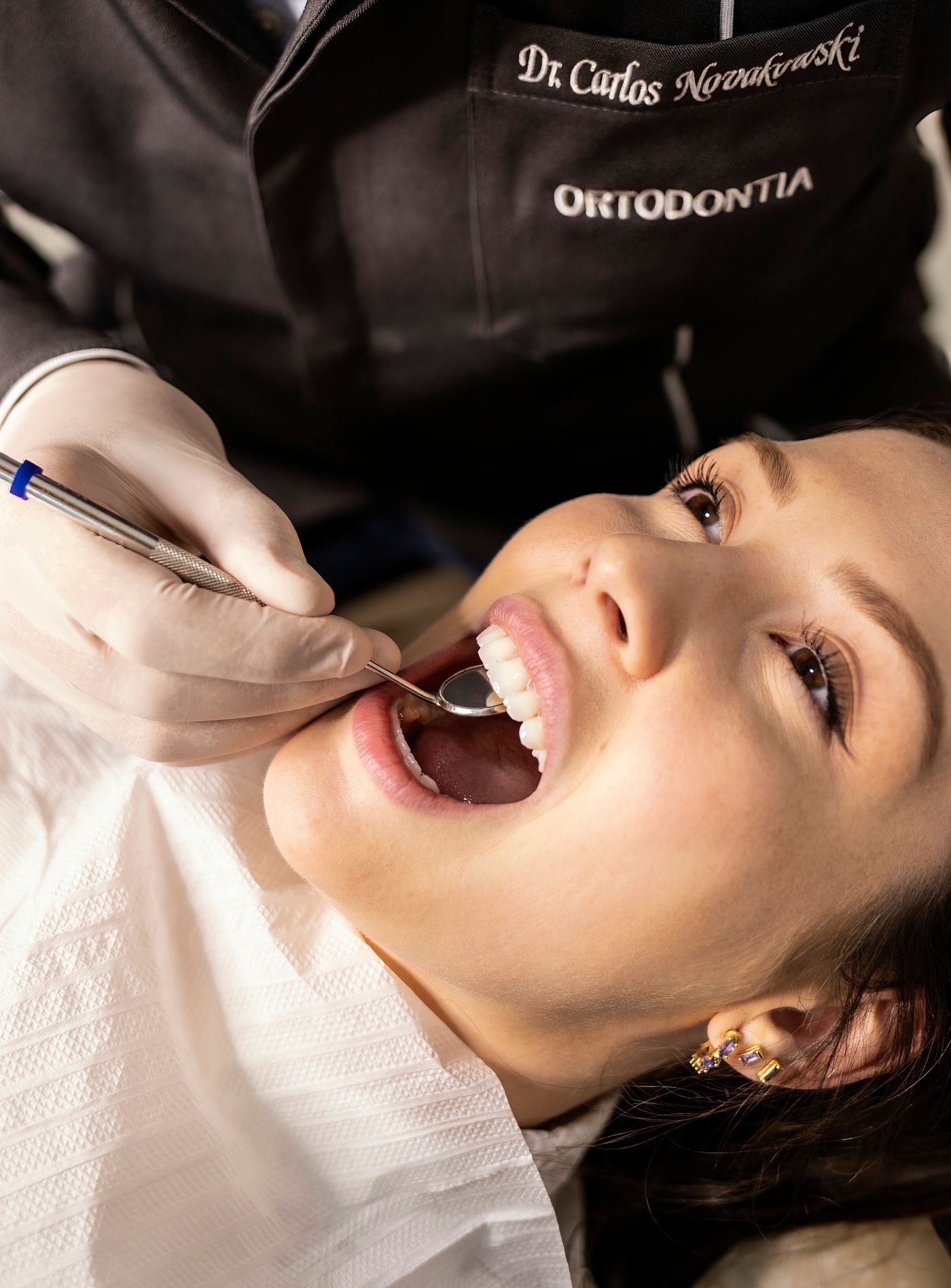
A woman having a routine dental check-up

I tried everything

Then I overcorrected, badly

Having discovered I had been doing too little, I swung hard the other way. Within about three months I was using a whitening toothpaste twice a day, whitening strips on top of that, charcoal paste when I felt impatient, a strong antiseptic rinse every night, and a baking-soda paste I had read about online.

I also worked through most of the natural remedies that circulate: oil pulling, salt rinses, herbal rinses, and — twice, and I regret it — a lemon-based rinse that amounts to deliberately putting acid on enamel.

  • Whitening toothpaste, strips and charcoal, all running at the same time.
  • A nightly alcohol-based antiseptic rinse I had never actually been advised to use.
  • Baking soda as a paste, twice a day, for about six weeks.
  • Oil pulling, salt rinses, herbal rinses, and a lemon rinse I would now tell anyone to skip.
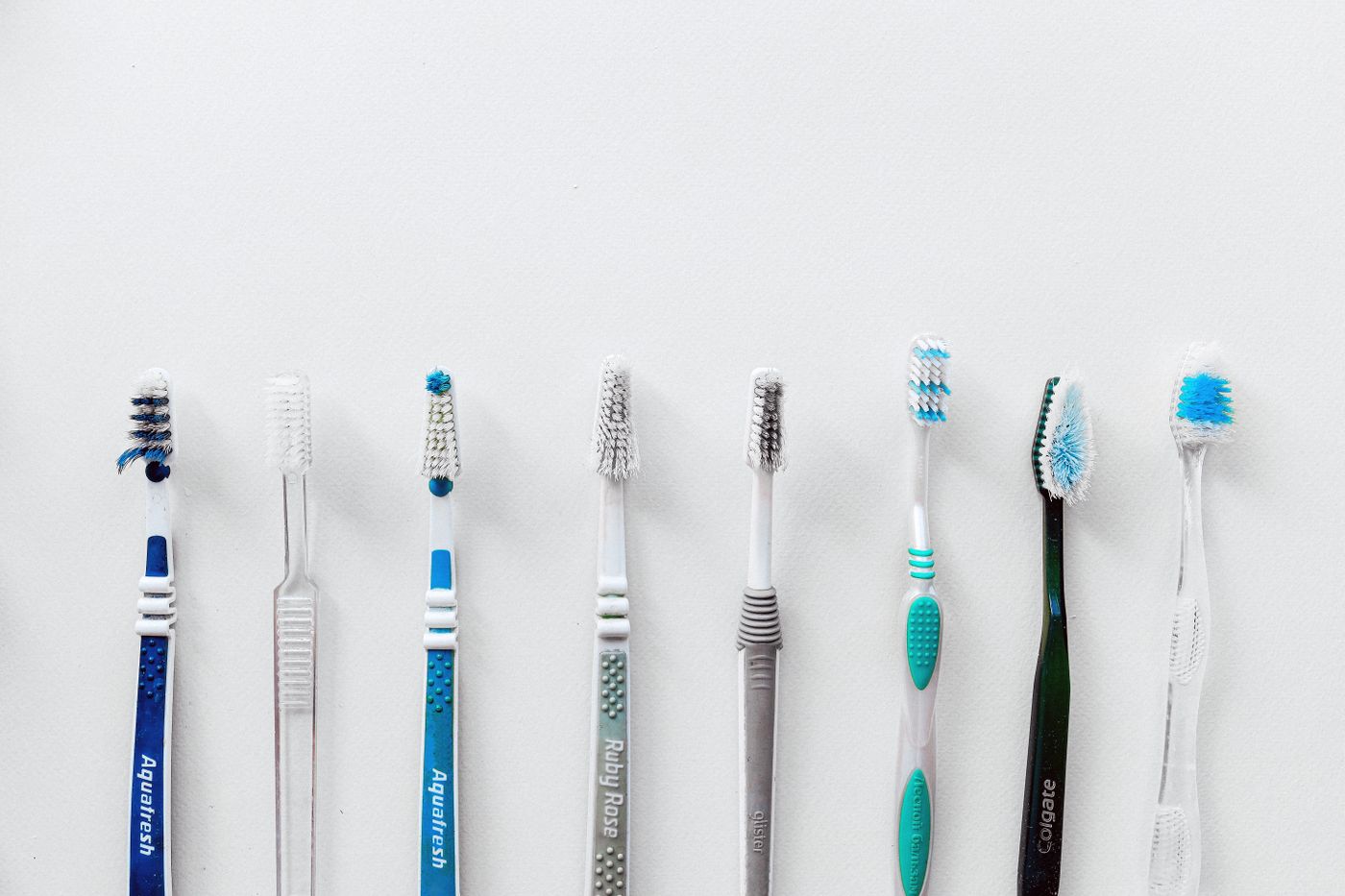
A row of different toothbrushes laid side by side

The frustration

More effort, worse results

By the end of that stretch I had a cold twinge in one tooth that had not been there before, gums that felt tender along one side, and a mouth that was dry most of the day.

And my teeth looked essentially the same as they had at the start. That was the genuinely deflating part — I had added five things, spent a fair amount of money, made myself less comfortable, and achieved nothing I could point at.

The worst of it was that I could not tell which change had caused what, because I had started all of them at once.

I had added five things at the same time, so when something went wrong I had no way of knowing which one to blame.
A warmly lit bathroom mirror in early morning light

What I learned

'Natural' does not mean gentle, and more does not mean better

Two ideas fixed most of it. The first: abrasion is cumulative and enamel does not grow back, so stacking three abrasive products is not three times as effective — it is simply three times the wear.

The second: 'natural' describes where something came from, not whether it is kind to your teeth. Lemon juice and vinegar are entirely natural, and they are two of the worst things you can rinse with.

So I stripped it back to a plain fluoride toothpaste and a soft brush for a month. The twinge settled. The tenderness went. That told me the problem had been the pile-up rather than any single product.

A jar of white tooth powder beside a wooden toothbrush on marble

The part that reframed it

Reading about the oral microbiome

What changed my thinking most was not a product. It was a hygienist saying, almost in passing, that I was trying to sterilise something that is not supposed to be sterile.

I had spent years treating my mouth as a surface to disinfect. It is closer to an environment with conditions — and the things that actually matter are physically removing plaque, not feeding it constantly, and keeping saliva flowing.

That is when oral probiotics first became interesting to me, as an idea rather than a purchase. If balance is the useful frame, then whether you can support it is at least a reasonable question to ask.

A stained micrograph showing microorganisms in blue and violet

Where I am now

The routine that finally stuck

It is shorter than the one I had at my most enthusiastic, which still slightly annoys me. Two full minutes, twice a day, gently, with a soft brush. Cleaning between my teeth every night rather than most nights. Spitting rather than rinsing afterwards.

Plain water after coffee, tea or wine, and a gap before brushing. Fewer separate eating occasions across the day. And the next appointment booked before I leave the last one, so it never becomes a decision.

  • Two timed minutes, twice a day, with light pressure and a soft brush.
  • Cleaning between my teeth every night, without exception.
  • Spit rather than rinse, so the fluoride is not washed straight back off.
  • Plain water after anything acidic, and a wait before brushing.
  • One optional extra at a time — never five at once.
  • The next check-up booked before I leave the last one.
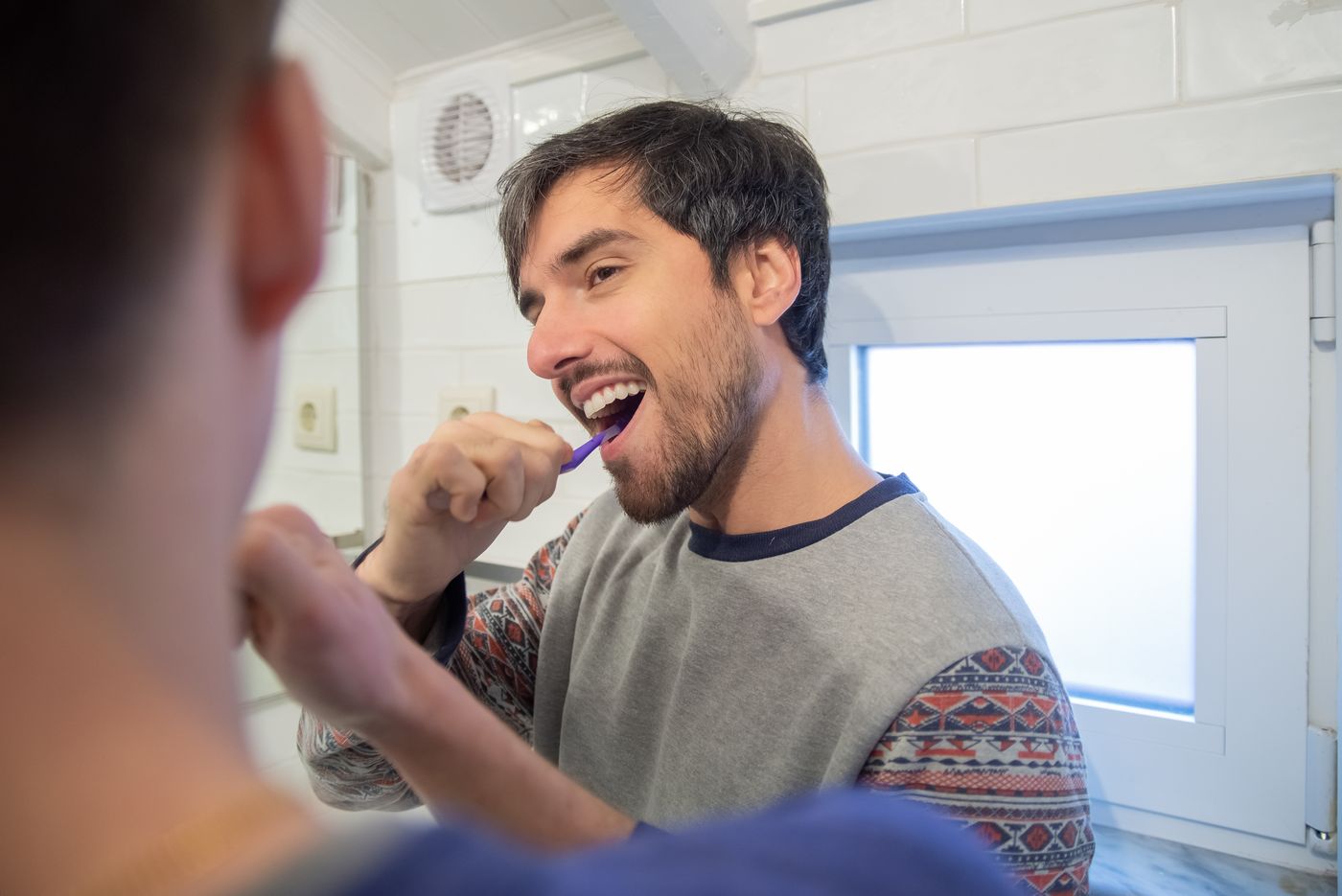
Two people brushing their teeth together as part of a morning routine

The optional extra

Curious about adding an oral probiotic to your routine?

ProDentim is a daily oral probiotic supplement designed to sit alongside brushing, cleaning between your teeth and regular dental visits — not to replace any of them. It is a dietary supplement rather than a medicine.

Learn More About ProDentim

Affiliate link — we may earn a small commission if you buy through it, at no extra cost to you. This is a dietary supplement, not a medicine, and it is not intended to diagnose, treat, cure or prevent any disease. Talk with your dentist or doctor before starting anything new.

Frequently asked questions

Did one product fix everything?
No. The habits did the heavy lifting. Anything I added sat on top of daily brushing, cleaning between teeth and regular check-ups — never instead of them.
How long did it take to notice a difference?
Several weeks before things felt genuinely different, and it was gradual rather than a single moment. Individual experiences vary, which is why this is a story rather than advice.
Should I copy this routine exactly?
Treat it as one person's experience. Your dentist knows your mouth, your history and your risk factors; that conversation is worth more than any article, including this one.
Why write this at all?
Because most oral health content is either clinical or trying to sell something. A plain account of what changed for one person sits usefully in between.

Affiliate link — we may earn a small commission if you buy through it, at no extra cost to you. Educational information only; not medical or dental advice.

Read our full affiliate disclosure

Join the Sarah Wellness Corner Community

Receive practical oral care tips, healthy habits, educational articles, and wellness inspiration.

Related articles