Healthy Gums
Common Reasons Your Gums May Feel Sensitive
Tender gums are common, and the cause is often something ordinary. Here is a plain-language walk through the usual explanations, what tends to help, and the signs that mean it is time to book an appointment.
By Dana Whitfield, RDH · August 4, 2026 · 9 min read

Key takeaways
- Sensitive gums are usually caused by something ordinary: pressure, plaque, a new product or a change in routine.
- Brushing harder is the most common instinct and one of the least helpful responses.
- Gums that bleed for more than a couple of weeks of good home care deserve a professional look.
- Hormonal changes, some medications and grinding can all make gums more reactive.
- Pain, swelling, a bad taste or a loose tooth are reasons to contact a dentist promptly.
Gum sensitivity tends to arrive quietly. There is a twinge while brushing one morning, a little pink in the sink, a spot that feels tender when you eat something crunchy. Because it rarely starts as real pain, it is easy to file under 'probably nothing' and carry on — and because gum tissue is good at looking normal from the outside, it can stay filed there for months.
The reassuring part is that most of the everyday reasons gums feel sensitive are ordinary and reversible. The part worth taking seriously is that gum tissue is the foundation the whole system sits on, and problems there are much easier to address early. This article walks through the common explanations, what tends to help in each case, and the signals that mean the answer is a dental appointment rather than an article.
As always, this is general educational information. Only an in-person examination can tell you what is happening in your mouth.
1. Brushing too hard, or with the wrong brush
This is the most common cause we see, and it is counterintuitive: people who care most about their teeth are often the ones pressing hardest. Gum tissue is delicate, and repeated heavy scrubbing — especially with medium or hard bristles — can leave it inflamed, tender and, over years, receded.
The tell-tale signs are bristles that splay outwards within weeks, tenderness that is worse on the side you brush first (usually the opposite side to your dominant hand), and gums that look thinner along a particular row of teeth. Switching to a soft brush, holding it with a lighter grip, and using small circular movements at the gumline is usually enough to settle things over a couple of weeks.
2. Plaque sitting at the gumline
When plaque is left along the gumline, the body responds with inflammation. Gums become redder, puffier and more likely to bleed when disturbed. This early, reversible stage is what dental professionals call gingivitis, and it is extremely common — most adults experience it at some point.
The frustrating irony is that inflamed gums bleed, bleeding makes people brush that area more timidly, and less cleaning leaves more plaque. Breaking the loop usually means cleaning the area gently but consistently rather than avoiding it. If gums remain inflamed after two weeks of good home care, that is the point to get it professionally assessed rather than waiting longer.
3. Missing the spaces between teeth
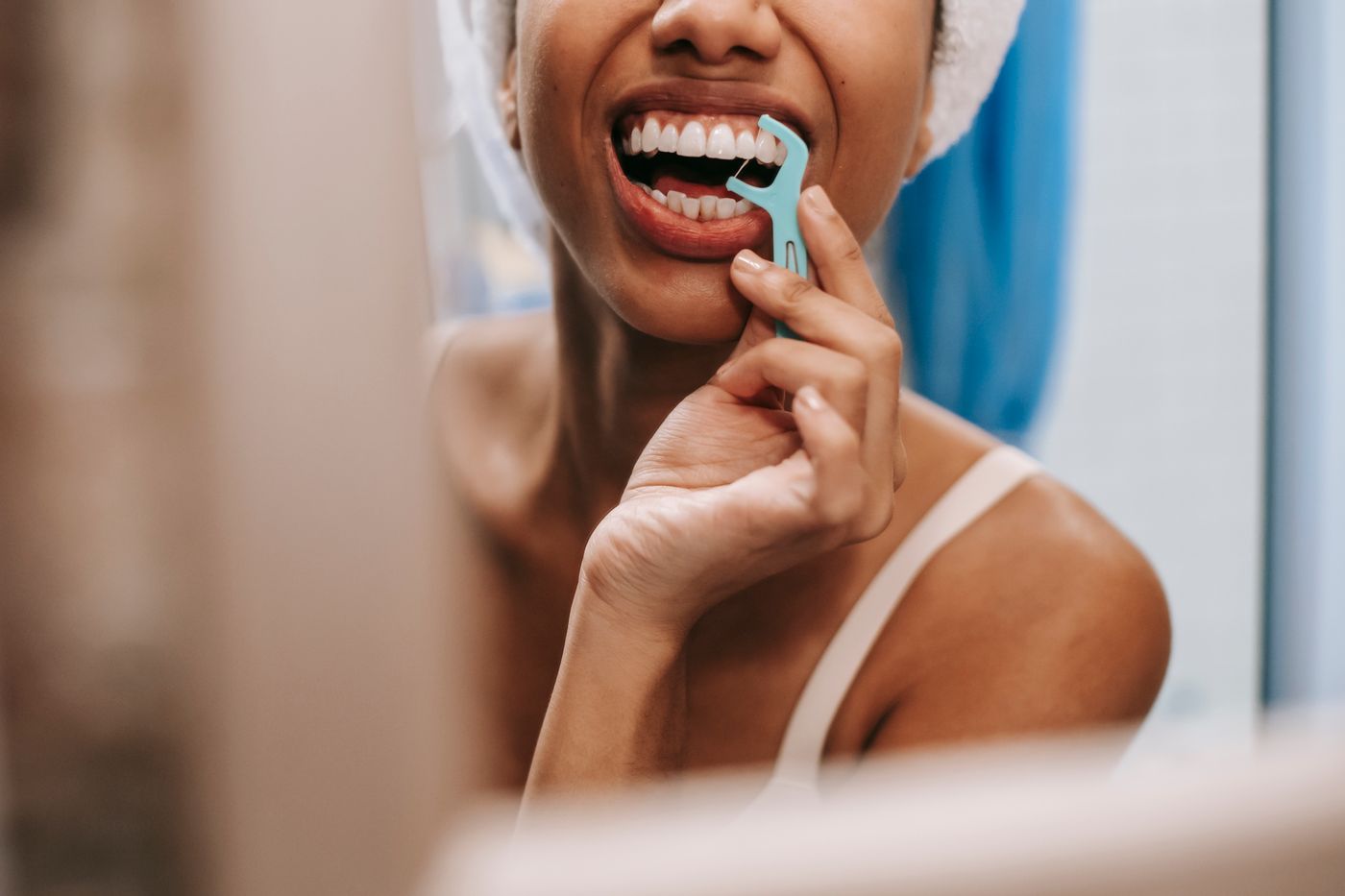
Gum tissue between teeth — the small triangular section called the papilla — is a frequent site of tenderness precisely because a toothbrush cannot reach it. If you brush diligently but never clean between your teeth, that is often the area that stays inflamed.
Starting an interdental routine sometimes causes light bleeding at first. That usually improves over one to two weeks of daily, gentle cleaning. What should not happen is bleeding that gets worse, or a specific spot that stays sore while everywhere else settles.
4. A new product your mouth is reacting to
Toothpastes, whitening products and strong mouthwashes can all cause temporary irritation in some people. Sodium lauryl sulfate, a common foaming agent, is a known irritant for a subset of the population. Strong alcohol-based rinses can leave tissue feeling dry and tender. Whitening products, used more often than the instructions suggest, are a very common cause of short-term gum and tooth sensitivity.
The diagnostic approach is simple: change one thing at a time. Go back to a plain fluoride toothpaste and no rinse for two weeks. If the sensitivity fades, you have your answer without needing to guess.
5. Hormonal changes
Gum tissue is responsive to hormonal shifts. Pregnancy, puberty, the menstrual cycle and menopause can all make gums more reactive to the same amount of plaque than they would be otherwise. This is well documented, and it does not mean anything has gone wrong — but it does mean home care and professional cleanings matter more during those periods, not less.
If you are pregnant, mention it at your dental appointment. Practices routinely adjust their approach and scheduling, and pregnancy-related gum changes are something they see constantly.
6. Medications and medical conditions
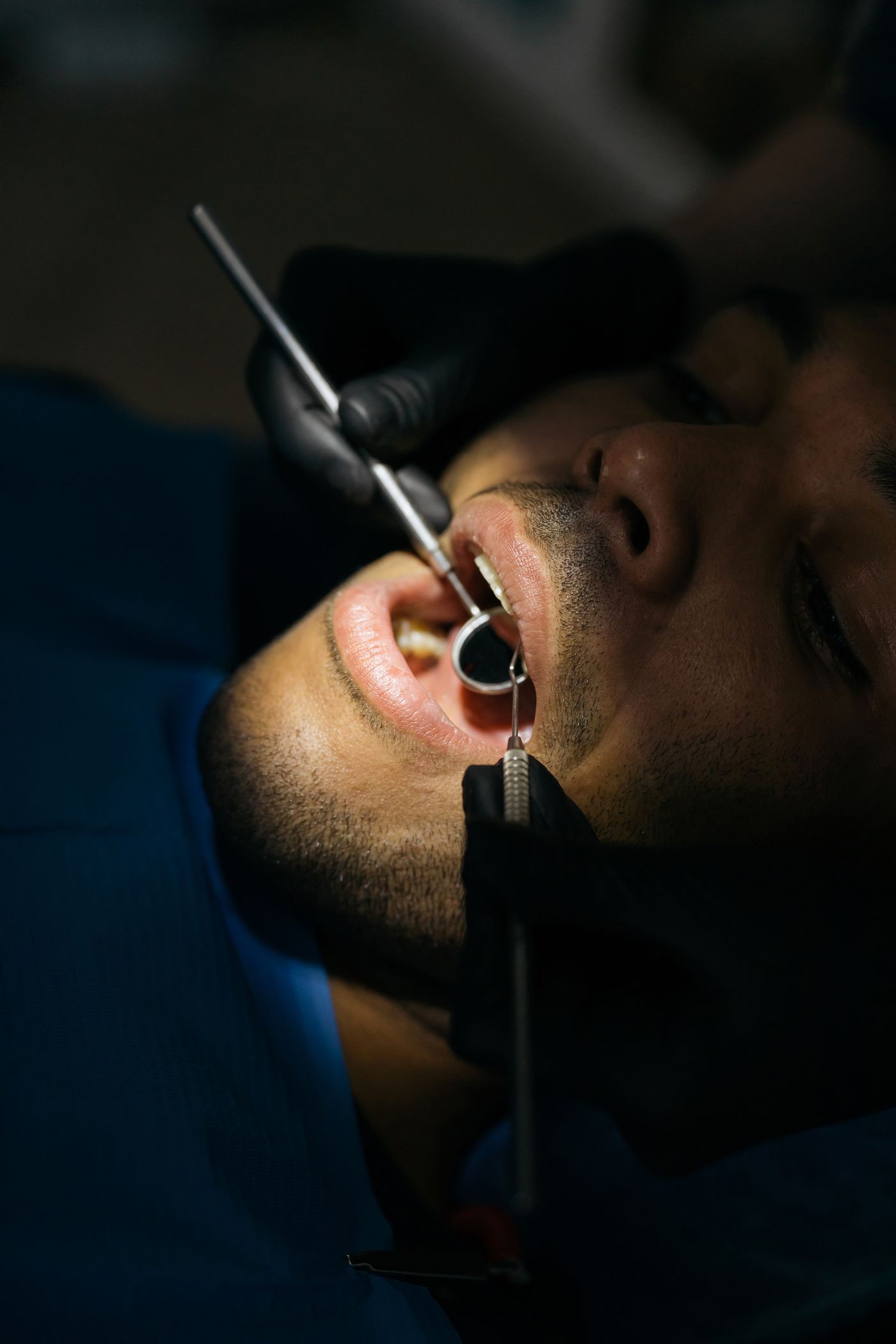
A number of common medications reduce saliva flow, and a drier mouth is a more vulnerable mouth. Others can cause gum tissue to overgrow, which creates spaces that are harder to keep clean. Conditions that affect the immune response, including diabetes, are also associated with more gum inflammation.
None of this is a reason to stop or change a medication on your own. It is a reason to make sure your dentist has an up-to-date list of what you take, so they can interpret what they see accurately.
A supporting habit, not a substitute. ProDentim is a daily oral probiotic supplement meant to sit alongside brushing, cleaning between your teeth and regular dental visits — never in place of them. Learn More About ProDentim (Affiliate link)
7. Grinding, clenching and pressure
Clenching or grinding — often at night, often without the person knowing — puts sustained pressure on teeth and the tissue supporting them. That can show up as generalised tenderness, jaw soreness in the morning, or teeth that feel sensitive to bite on.
Stress is a common trigger, but so is sleep-disordered breathing, which is why grinding is worth mentioning rather than absorbing. Dentists can look for the characteristic wear patterns and discuss options such as a night guard.
8. Food packing and sharp edges
Sometimes the cause is refreshingly mechanical. A popcorn hull, a fragment of nut shell or a fibrous piece of food wedged between teeth will irritate the gum within hours. So will a rough filling edge, an ill-fitting crown margin, or a chipped tooth.
If tenderness is isolated to one specific spot rather than general, this category becomes much more likely. Gentle cleaning between those teeth may resolve it; if the spot keeps recurring, there is usually a physical reason a dentist can find and fix.
What tends to help in the meantime
- Switch to a soft-bristled brush and lighten your grip — hold the handle like a pencil, not a hammer.
- Keep cleaning the tender area gently rather than avoiding it, unless a dentist has advised otherwise.
- Return to a plain fluoride toothpaste while you work out whether a product is contributing.
- Rinse with warm salt water for short-term comfort, remembering it soothes rather than treats a cause.
- Pause whitening products until things settle.
- Stay hydrated, and mention persistent dry mouth to your dentist or doctor.
Where the oral microbiome comes into the conversation
Gum health is closely tied to the balance of bacteria in the mouth. Not all oral bacteria are unwanted — a healthy mouth hosts a complex community, and problems tend to arise when that community shifts rather than when bacteria are simply present. This is why the goal of daily care is disruption and balance rather than sterility.
It is also why oral probiotics have become a topic of interest. Some research suggests certain strains may play a role in supporting the balance of bacteria in the mouth, though the evidence base is still developing and results vary between studies. A probiotic is a supplement, not a treatment for gum disease, and it belongs alongside brushing, interdental cleaning and professional care rather than instead of them. If your gums are inflamed, the first step is a dental assessment, not a new product.
When to see a dentist
Book an appointment if any of the following apply. None of them mean something terrible is happening — they mean the question needs a person, not a search engine.
- Bleeding that persists beyond two weeks of consistent, gentle home care.
- Gums that are visibly swollen, bright red or pulling away from the teeth.
- Persistent bad taste or breath that does not respond to a good routine.
- Pain that wakes you, throbs, or comes with facial swelling — contact a dentist promptly.
- A tooth that feels loose or has changed position.
- Any lump, ulcer or patch that has not healed within two weeks.
The short version
Sensitive gums are usually a signal about something ordinary: pressure, plaque, a product or a routine gap. The response that helps is almost always gentler and more consistent cleaning, not harder scrubbing or a new gadget. Give a calm routine two weeks. If the tenderness has not clearly improved by then, let a dental professional look — early gum problems are far easier to reverse than late ones, and you cannot see most of what they can.
Frequently asked questions
- Is it normal for gums to bleed a little when brushing?
- Occasional light bleeding when starting a new cleaning habit is common, but routine bleeding is a sign of inflammation rather than something to accept. If it continues beyond about two weeks of gentle, consistent care, have it assessed.
- Should I stop flossing if my gums are sore?
- Usually no — stopping tends to make inflammation worse. Clean gently and consistently rather than aggressively. If a specific spot stays painful while everywhere else improves, ask a dentist to look at that area.
- Can a new toothpaste make my gums sensitive?
- It can. Some people react to foaming agents such as sodium lauryl sulfate, strong flavourings or whitening ingredients. Returning to a plain fluoride toothpaste for two weeks is a simple way to test that.
- Does salt water rinsing help sensitive gums?
- A warm salt water rinse can feel soothing in the short term, but it addresses comfort rather than the underlying cause. Use it as temporary relief while you work out what is driving the sensitivity.
- How quickly should sensitive gums improve?
- With gentle, consistent home care, inflammation from plaque often improves noticeably within one to two weeks. No improvement in that window is a reasonable trigger to book a dental appointment.

Written by
Dana Whitfield, RDH
Registered dental hygienist & lead reviewer
Dana has worked chairside as a registered dental hygienist for eleven years. She reviews every article on Sarah Wellness Corner for accuracy and plain language, and writes most of our routine and gum care explainers. Her articles are educational and are not a substitute for personalised advice from your own dentist.
Join the Sarah Wellness Corner Community
Receive practical oral care tips, healthy habits, educational articles, and wellness inspiration.
Related articles

10 Daily Habits That Help Keep Your Smile Healthy
Healthy teeth are rarely the result of one big change. They are the result of ten small things repeated on ordinary days. Here is what dental professionals talk about most often — and how to make each habit realistic.
Signs Your Mouth Bacteria Are Off
Most of these are easy to normalise and ignore for months. Several of them are the point at which you should be booking rather than browsing.

How Oral Probiotics Fit Into a Healthy Dental Routine
Oral probiotics are one of the most asked-about categories in oral care right now. Here is an educational look at what they are, how the oral microbiome works, and the realistic role a supplement can play.
Electric vs Manual Toothbrush: Which One Is Right for You?
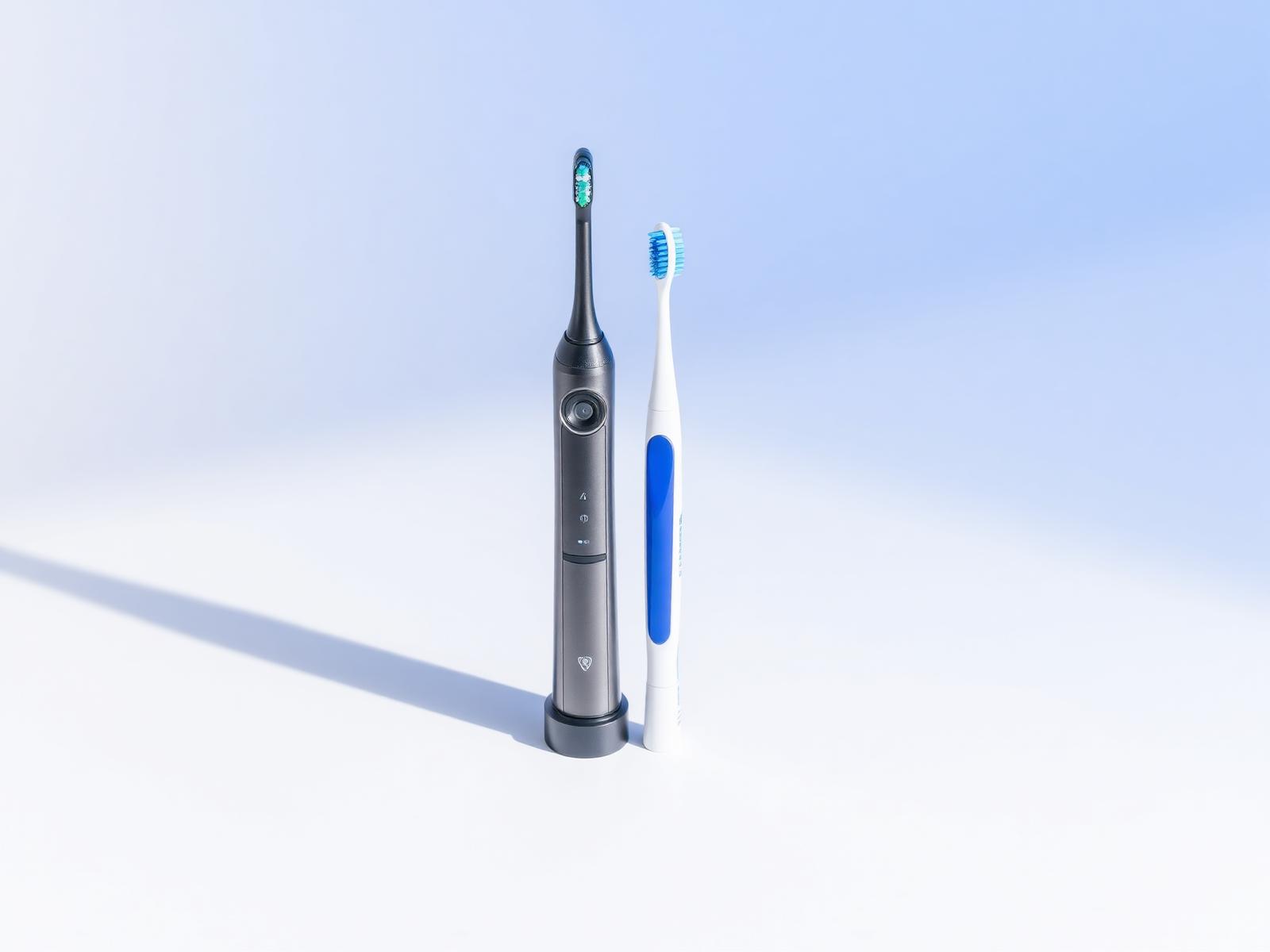
The honest answer is that a well-used manual brush beats a badly used electric one. But the research does show a real average difference. Here is how to work out which side of that average you are on.

Salt Rinse: When It Helps, When It Hurts
This is the natural remedy I was most surprised by — useful in a narrow set of circumstances, and completely unnecessary the rest of the time.

What The Zing After Whitening Strips Actually Is
The jolt when cold water hits is not the whitening working. It is a signal about the tiny channels running through the tooth — and once that lands, the whole category reads differently.