Comparisons
Electric vs Manual Toothbrush: Which One Is Right for You?
The honest answer is that a well-used manual brush beats a badly used electric one. But the research does show a real average difference. Here is how to work out which side of that average you are on.
By Marcus Hale · August 2, 2026 · 9 min read
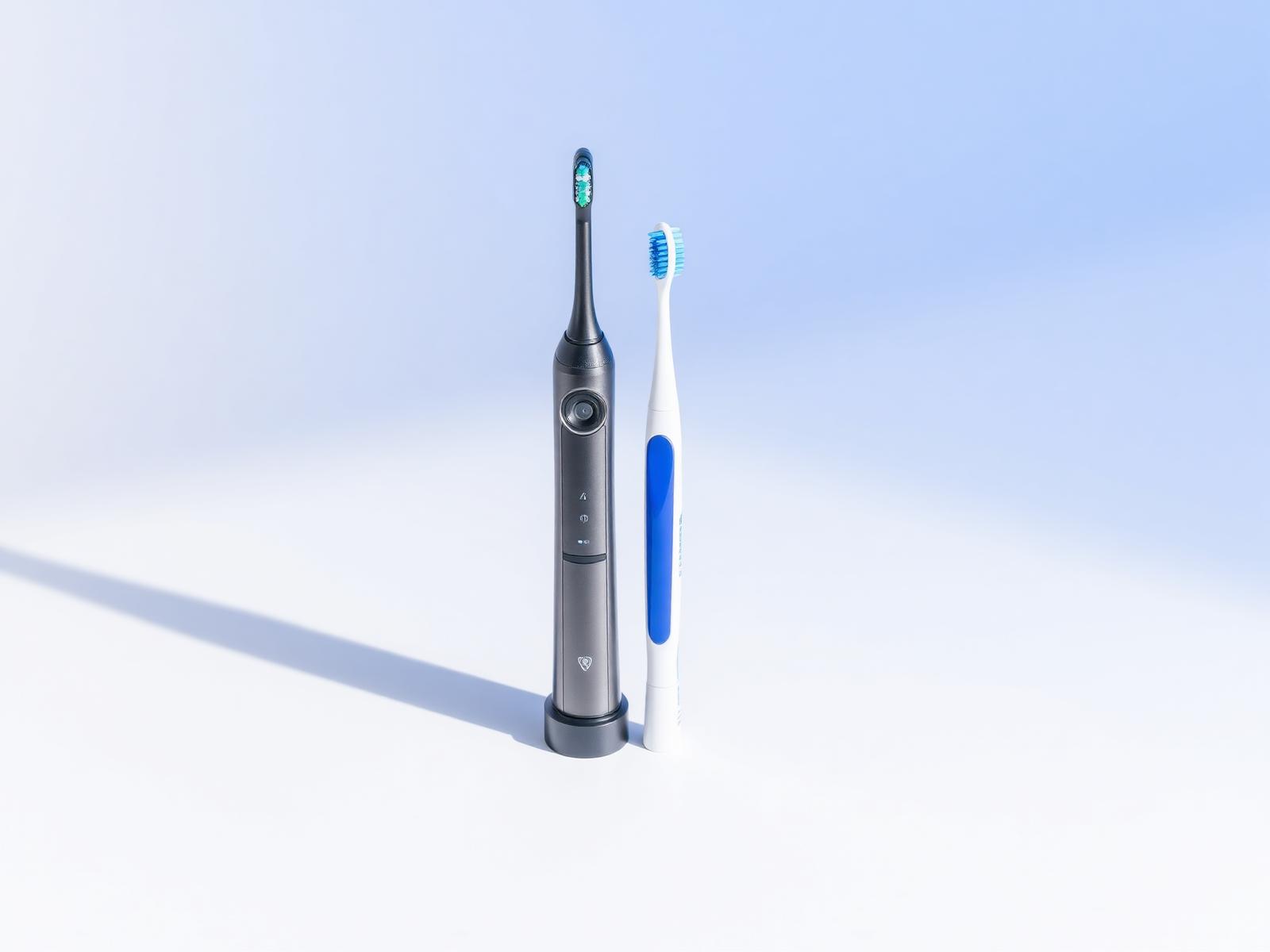
Key takeaways
- Reviews of the research find powered brushes remove somewhat more plaque on average, especially oscillating-rotating designs.
- The gap is an average, not a rule — technique and consistency matter more than the motor.
- Built-in timers and pressure sensors are the features that most often change real behaviour.
- Manual brushes are cheap, portable and perfectly capable when used well for two minutes.
- Limited dexterity, braces or heavy-handed brushing are the situations where electric usually wins clearly.
Stand in front of the toothbrush aisle for long enough and the question becomes less about oral health and more about marketing. One shelf holds brushes that cost about the same as a coffee. The next holds devices with app connectivity, pressure sensors, five cleaning modes and a price tag to match. The gap between them is a hundred-fold in cost. It is nowhere near a hundred-fold in benefit.
That said, the research does show a real difference on average, and there are specific situations where an electric brush is a clear improvement rather than a nice-to-have. This comparison lays out what is actually known, what the features are worth, and how to work out which one suits you — without pretending the answer is the same for everybody.
What the research actually shows
The most cited body of evidence here comes from systematic reviews of randomised trials comparing powered and manual brushing. The general finding is that powered brushes remove somewhat more plaque and are associated with somewhat less gum inflammation over time, with oscillating-rotating designs performing particularly well in the pooled data.
Two things are worth holding onto about that finding. First, the effect is modest in absolute terms — meaningful across a population, less dramatic for any individual than the advertising suggests. Second, it is an average across many people with varying technique. A person who brushes carefully for two full minutes with a manual brush is very likely already above that average. A person who scrubs for forty seconds is likely below it, and would probably improve with either brush simply by slowing down.
In other words, the research supports powered brushing as a helpful default, not as a requirement for a healthy mouth.
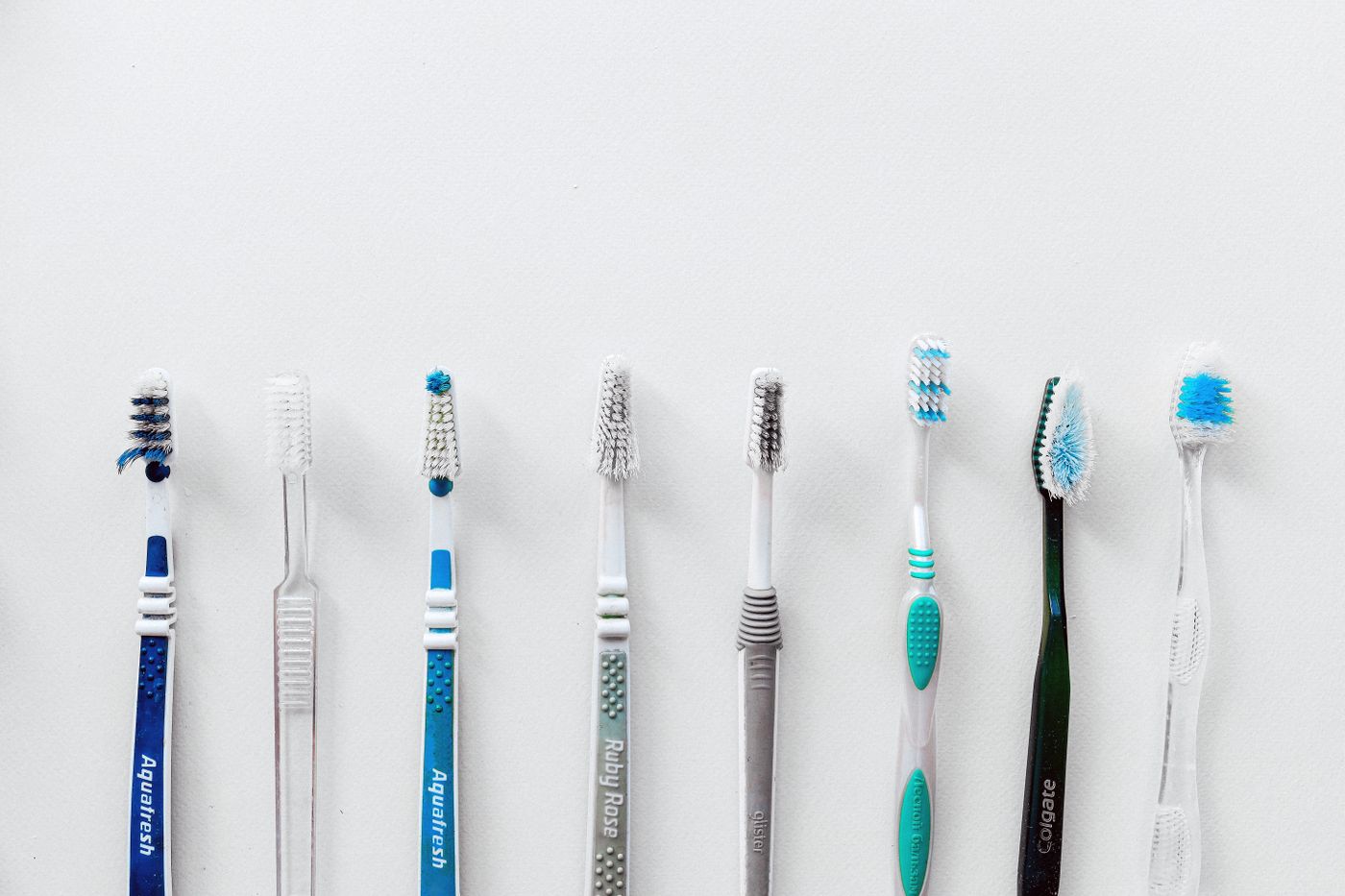
The case for a manual toothbrush
- Cost: a few pounds or dollars, replaced every three months, with no batteries or charger.
- Simplicity: nothing to charge, nothing to break, nothing to travel with.
- Control: some people find it easier to feel exactly how much pressure they are applying.
- Availability: you can buy one anywhere in the world in under five minutes.
- Proven: when used correctly for two minutes twice daily, a soft manual brush cleans teeth perfectly well.
The catch is the phrase 'used correctly'. A manual brush gives you no feedback whatsoever. It does not know if you brushed for thirty seconds or two minutes, and it does not care how hard you pressed. If your technique is good and your timing is honest, none of that matters. If it is not, the brush will never tell you.
The case for an electric toothbrush
- Timers: a two-minute timer with thirty-second quadrant pacing is the single most behaviour-changing feature on the market.
- Pressure sensors: they interrupt the very common habit of scrubbing too hard, which protects gums over the long term.
- Consistent motion: the brush supplies the movement, so the outcome depends less on your stroke technique.
- Easier for limited dexterity: significantly easier for people with arthritis, tremor, limited grip or reduced mobility.
- Better around appliances: braces, bridges and implants are generally easier to clean thoroughly with a powered head.
None of those benefits come from the motor itself so much as from what the motor makes easy. That is a useful lens for choosing a model: features that change your behaviour are worth paying for, features that produce data you will never look at usually are not.
Sonic versus oscillating-rotating
Oscillating-rotating
These have a small round head that rotates back and forth, often with a pulsing motion. You move it slowly tooth by tooth and hold it in place for a few seconds on each. This is the design that performs most consistently in pooled research data.
Sonic
These have an elongated head that vibrates at high frequency. You guide it along the gumline much as you would a manual brush, but without scrubbing. Many people find the sensation gentler, and the head shape can feel more familiar.
Both types clean well. The difference between the two is smaller than the difference between using either one properly and using it in a hurry. Pick the sensation you can tolerate twice a day for years.
A supporting habit, not a substitute. ProDentim is a daily oral probiotic supplement meant to sit alongside brushing, cleaning between your teeth and regular dental visits — never in place of them. Learn More About ProDentim (Affiliate link)
Cost over time
Manual brushing costs very little: four brushes a year, and that is the whole calculation. An electric brush has an upfront cost plus replacement heads, which are the expense people underestimate. Heads typically need replacing every three months, and branded ones can cost a surprising amount each.
Two practical notes. Mid-range models generally include the features that matter — a timer and often a pressure sensor — while the premium tier mostly adds modes, displays and app integration. And before buying, check the ongoing price and availability of replacement heads for that specific model, because a cheap handle with expensive heads is not a bargain.
Who benefits most from going electric
- Anyone with reduced dexterity, grip strength, tremor or joint pain.
- People who consistently brush too hard, judged by splayed bristles or gum recession.
- Anyone with braces, bridges, implants or crowded teeth that are hard to reach.
- People who genuinely cannot make themselves brush for two minutes without a timer.
- Children and teenagers who respond to the pacing and feedback.
- Anyone whose hygienist keeps pointing out the same missed areas at every visit.
When a manual brush is completely fine
If your checkups are consistently good, your gums are healthy, your hygienist has no complaints about your technique, and you genuinely brush for two minutes twice a day, a manual brush is doing its job. There is no dental reason to upgrade for the sake of it, and switching will not improve results that are already good.
It is also worth keeping a manual brush regardless. They travel well, they need no power, and they are a useful backup when a charger goes missing.
How to use either one well
- Choose soft bristles. Medium and hard are rarely recommended for either type.
- Angle the bristles at about 45 degrees towards the gumline.
- With a manual brush, use small circles or short strokes — never a long horizontal sawing motion.
- With an electric brush, let the brush do the work: guide it slowly and do not add scrubbing.
- Cover all four quadrants for about thirty seconds each, including the inner surfaces people skip.
- Replace the brush or head every three months, or sooner if the bristles splay.
- Clean between your teeth daily — neither brush type reaches those surfaces.
The honest bottom line
A well-used manual brush beats a badly used electric one, every time. The research shows a modest average advantage for powered brushes, and that advantage is largest for people whose technique or timing is inconsistent — which, statistically, is most of us at least some of the time.
If you are choosing today: buy a mid-range electric brush with a timer and a pressure sensor if the cost is comfortable and you know your two minutes are unreliable. Stay with a soft manual brush if your checkups are good and you brush properly. Then spend the attention you save on the habit that most people are actually missing, which is cleaning between the teeth. Whatever you choose, mention it at your next appointment and ask your hygienist how your technique looks — they see the result of it directly, which no article ever can.
Frequently asked questions
- Is an electric toothbrush really better than a manual one?
- Reviews of the research find powered brushes remove somewhat more plaque and are linked to somewhat less gum inflammation on average, with oscillating-rotating designs performing best in pooled data. The difference is modest, and good manual technique can match it.
- How often should I replace an electric brush head?
- About every three months, or sooner if the bristles splay. Worn bristles clean noticeably less effectively regardless of brush type.
- Do I need the expensive model with all the modes?
- Usually not. The features that most reliably change outcomes are a two-minute timer and a pressure sensor, both of which are common on mid-range models. Extra modes and app connectivity are conveniences rather than clinical upgrades.
- Can an electric toothbrush damage my gums?
- Used as intended — guided slowly with no added pressure — it should not. Damage is generally associated with pressing hard, which is precisely why a pressure sensor is a useful feature for heavy-handed brushers.
- Are electric toothbrushes suitable for children?
- Many are, and the built-in pacing can help children brush for the full two minutes. Choose a model designed for their age group and check with your dentist, who can also comment on supervision and technique.

Written by
Marcus Hale
Health writer & product researcher
Marcus is a health writer who has spent the last eight years translating clinical guidance into everyday reading. He handles our product research and comparison pieces, and is unusually interested in how people actually keep a routine going on a busy Tuesday night.
Join the Sarah Wellness Corner Community
Receive practical oral care tips, healthy habits, educational articles, and wellness inspiration.
Related articles

10 Daily Habits That Help Keep Your Smile Healthy
Healthy teeth are rarely the result of one big change. They are the result of ten small things repeated on ordinary days. Here is what dental professionals talk about most often — and how to make each habit realistic.

Coconut Vs Sesame For Oil Pulling
Both are traditional, both are fine, and the difference that matters is not the one the internet argues about. I used each for a month.

Common Reasons Your Gums May Feel Sensitive
Tender gums are common, and the cause is often something ordinary. Here is a plain-language walk through the usual explanations, what tends to help, and the signs that mean it is time to book an appointment.

How Oral Probiotics Fit Into a Healthy Dental Routine
Oral probiotics are one of the most asked-about categories in oral care right now. Here is an educational look at what they are, how the oral microbiome works, and the realistic role a supplement can play.

What The Zing After Whitening Strips Actually Is
The jolt when cold water hits is not the whitening working. It is a signal about the tiny channels running through the tooth — and once that lands, the whole category reads differently.

The Order Your Oral Routine Should Actually Follow
I did the same three things every night for twenty years in the wrong order, and the last one was undoing part of the first. Every fix here is free.