Comparisons
Coconut Vs Sesame For Oil Pulling
Both are traditional, both are fine, and the difference that matters is not the one the internet argues about. I used each for a month.
By Sarah · August 20, 2026 · 7 min read

Key takeaways
- Sesame is the traditional choice; coconut is the modern popular one. Both are used.
- The practical difference is texture and temperature behaviour, not any dramatic property.
- Coconut is solid below room temperature; sesame stays liquid, which suits cold bathrooms.
- Taste tolerance is the variable that decides whether you keep doing this at all.
- Neither one whitens teeth or replaces any part of a normal routine.
The coconut-versus-sesame argument online is surprisingly heated for a question about which fat to put in your mouth for ten minutes.
I used each for a month, back to back, in the same routine. The honest conclusion is that the difference is real but entirely practical.
Facts and tips worth knowing first
- Sesame oil is the oil described in the traditional Ayurvedic practice.
- Coconut oil is the more common modern choice, largely on taste and availability.
- Coconut oil is solid below roughly room temperature; sesame remains liquid.
- Both are edible oils and neither has a demonstrated advantage worth choosing on.
- Whichever you pick, this remains a supplementary habit, not a treatment.

How this started for me
I started with coconut because that is what every article recommended and what my supermarket sold. It was only when a reader emailed to say I was doing the non-traditional version that I looked into sesame at all.
So I did a month of each, keeping everything else about my mornings identical, and paid attention to the thing I suspected would actually matter: whether I dreaded it.
The challenges I faced
Comparing them fairly is harder than it sounds, because expectation does a lot of work here. I went into the sesame month faintly convinced it would be worse, and I had to account for that.
- Coconut's solid-to-liquid transition is unpleasant and is the main reason people quit.
- Sesame has a much stronger savoury taste that some people find genuinely off-putting first thing.
- Unrefined sesame is considerably stronger tasting than refined, and articles rarely specify which.
- My bathroom is cold in winter, which affects coconut and not sesame.
- Neither produced any effect I could observe or measure.
What I tried
Coconut, one month
Pleasant taste, mildly sweet, easy to find. The texture problem is real in a cold room and disappears entirely if you warm the spoon. By the end of the month I was doing it without thinking.
Sesame, one month
Always liquid, which removes the texture issue completely. But the taste is savoury and strong, particularly unrefined, and first thing in the morning I found it harder to face than the coconut ever was.
Refined sesame as a compromise
Much milder, still liquid at any temperature. This is the version I would recommend to anyone who wants the traditional oil without the intensity.

A supporting habit, not a substitute. ProDentim is a daily oral probiotic supplement meant to sit alongside brushing, cleaning between your teeth and regular dental visits — never in place of them. Learn More About ProDentim (Affiliate link)
What worked well for me
- Coconut in summer, when the texture problem does not arise.
- Refined sesame in winter, when a cold bathroom makes coconut unpleasant.
- Warming the spoon regardless of which oil, because it costs nothing.
- Choosing on taste tolerance rather than on any claimed property.
- Not overthinking a decision that has very little riding on it.
How I'm doing now
I keep both and use whichever suits the season, which is a slightly ridiculous conclusion to a month-long comparison but is the honest one.
Neither changed anything I could observe. My preference is entirely about which one I am willing to keep doing, which — for a habit this minor — is the only variable that really matters.

Try this method — don't miss this step
The step to not skip is choosing on taste, not on tradition or marketing. The oil you can tolerate at seven in the morning is the one that works, because it is the one you will still be using next month.
- Buy the smallest quantity of each and try both before committing.
- If you pick sesame, start with refined rather than unrefined.
- Warm the spoon whichever oil you use.
- Consider your bathroom temperature — coconut solidifies in a cold room.
- Do not choose based on claimed benefits; there is nothing meaningful to choose between.
- Keep brushing and cleaning between your teeth exactly as before.
The best oil is the one you will still be using in March. Everything else about this comparison is noise.
A final note from Sarah
I would not spend much time on this decision. Both are traditional enough, both are harmless enough, and neither is going to do anything dramatic. Pick the one you can face in the morning and get on with your day.
Frequently asked questions
- Which oil is traditional for oil pulling?
- Sesame oil is the one described in the traditional Ayurvedic practice. Coconut has become the more common modern choice, largely because of taste and availability rather than any demonstrated advantage.
- Does coconut oil work better than sesame?
- There is no good evidence for a meaningful difference between them. The practical differences are taste and whether the oil stays liquid at room temperature, which affect whether you keep doing it.
- Can I use olive oil or sunflower oil instead?
- People do use other edible oils, and the practice is not tied to one specific oil. Taste tolerance remains the deciding factor, since a habit you find unpleasant will not last long enough to matter.

Written by
Sarah
Wellness writer — founder of Sarah Wellness Corner
Sarah is a pen name. She is a wellness content creator writing from a consumer's perspective, not a clinician's — she is not a dentist, dental hygienist, doctor or medical professional of any kind, and holds no clinical qualification. Her articles are personal experience and general education, written after reading widely and changing her own habits over several years. They are not medical advice and are not a substitute for a consultation with a qualified dental professional. Identifying details in the personal stories on this site have been changed; the experiences are real, the names and specifics are not.
Join the Sarah Wellness Corner Community
Receive practical oral care tips, healthy habits, educational articles, and wellness inspiration.
Related articles

Oil Pulling: The Part Nobody Explains
The instructions all say the same thing, and they all skip the same two details. Those details are why most people quit in week one.

How Long To Oil Pull (Not 20 Min)
Twenty minutes is the number everyone quotes and almost nobody does. Starting there is the most reliable way to quit in week one.
I Tried Oil Pulling For 14 Days
Fourteen mornings, recorded as they happened. Including the three days I skipped and the week where it finally stopped being unpleasant.
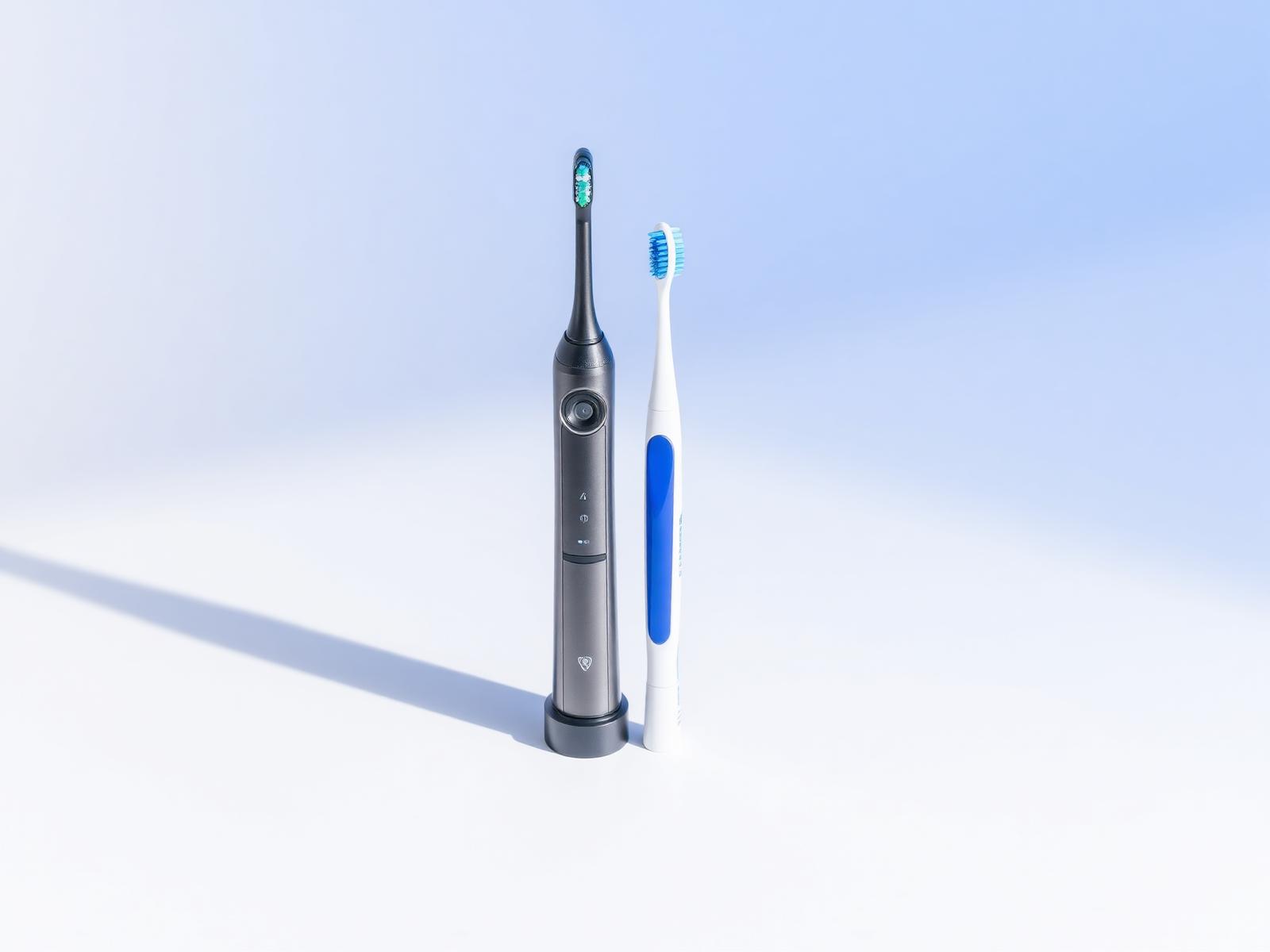
Electric vs Manual Toothbrush: Which One Is Right for You?
The honest answer is that a well-used manual brush beats a badly used electric one. But the research does show a real average difference. Here is how to work out which side of that average you are on.
Every Natural Remedy I Tried, Ranked
Two years, one thing at a time, notes kept throughout. Here they are in order, including the two I would actively tell you to skip.

Oil Pulling Mistakes Wasting Your Time
Most people who quit oil pulling do so for reasons that have nothing to do with whether it works. Here are the six that caught me.