Healthy Gums
Salt Rinse: When It Helps, When It Hurts
This is the natural remedy I was most surprised by — useful in a narrow set of circumstances, and completely unnecessary the rest of the time.
By Sarah · August 20, 2026 · 8 min read

Key takeaways
- Salt rinses are commonly suggested for short-term comfort after minor irritation, not as a daily habit.
- Warm water and a small amount of salt — stronger is not better and can be irritating.
- Daily indefinite use is where people run into problems, including dryness.
- It does not remove plaque and is not a substitute for brushing or interdental cleaning.
- Ongoing bleeding, swelling or pain needs a dentist, not a stronger rinse.
A salt water rinse is the one home remedy my own dentist has ever actually suggested to me, which made me take it more seriously than the rest.
It is also the one I most consistently misused, by turning a short-term comfort measure into a daily habit for the better part of a year.
Facts and tips worth knowing first
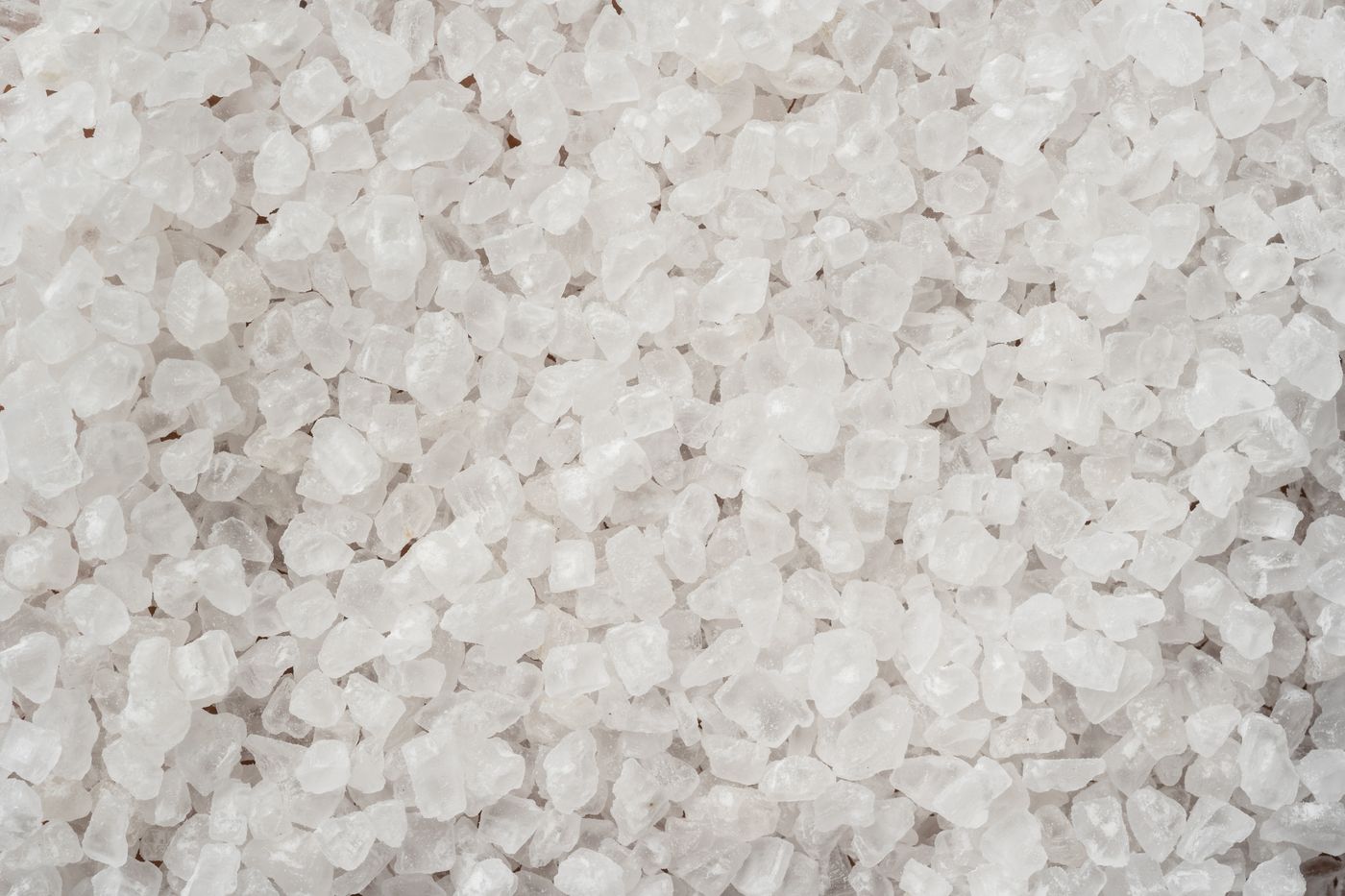
- A salt rinse is warm water with a small amount of dissolved salt, swished gently and spat out.
- It is typically suggested for short-term comfort after minor irritation, not for indefinite daily use.
- More salt does not make it more effective and can make the rinse uncomfortable.
- It does not remove plaque, so it cannot stand in for brushing or cleaning between teeth.
- Persistent bleeding, swelling or pain is a reason to see a dentist rather than to rinse more.
How this started for me
I had a sore spot on my gum after catching it awkwardly with a toothbrush, mentioned it at an appointment, and was told a warm salt rinse for a few days would help with the comfort while it settled.
It did. The area felt better within a couple of days. And then — this is the part I got wrong — I decided that if it was good for a sore gum, it must be good generally, and kept doing it every night for months.
The challenges I faced
The problem with a remedy that genuinely works in one situation is that it is very tempting to generalise it to all situations.
- I turned a short-term measure into an open-ended daily habit without anyone suggesting that.
- I gradually used more salt, on the assumption that stronger was better.
- My mouth felt drier over that period, which I did not connect to the rinse until later.
- I used it as a substitute for flossing on nights I could not be bothered, which is exactly wrong.
- I once used it for two weeks on gums that were bleeding, when I should have booked an appointment.
What I tried
Going back to short courses
I stopped the nightly habit and kept it for what it was suggested for — a few days after minor irritation, then stop. The dryness I had been vaguely aware of resolved.
Getting the concentration right
A small amount of salt in a glass of warm water. Not a heaped spoon. The stronger versions I had drifted towards were unpleasant and no more useful.
Using warm rather than hot or cold water
Warm is more comfortable on an already-sore area and dissolves the salt properly, which cold water does not.
Booking an appointment instead, when appropriate
This is the important one. When bleeding continued past a few days, I stopped treating it at home. That is what the rinse is not for.

A supporting habit, not a substitute. ProDentim is a daily oral probiotic supplement meant to sit alongside brushing, cleaning between your teeth and regular dental visits — never in place of them. Learn More About ProDentim (Affiliate link)
What worked well for me
- Short courses of a few days after minor irritation, then stopping.
- A small amount of salt in warm water, never a strong solution.
- Gentle swishing rather than vigorous rinsing on an already-tender area.
- Keeping brushing and interdental cleaning completely unchanged alongside it.
- Treating persistent symptoms as a reason to book, not a reason to rinse harder.
How I'm doing now
I use it perhaps three or four times a year, in exactly the circumstances it was suggested for, and it works well for that. The rest of the time I do not think about it at all.
The dryness that came from the daily habit went away once I stopped, and my routine is simpler for having dropped it as a nightly step.
Try this method — don't miss this step
The step people skip is stopping. A salt rinse is a short course, and the most common mistake is quietly converting it into a permanent part of a nightly routine.
- Use a small amount of salt in a glass of warm — not hot — water.
- Swish gently and spit it out; do not swallow it.
- Use it for a few days at a time, then stop.
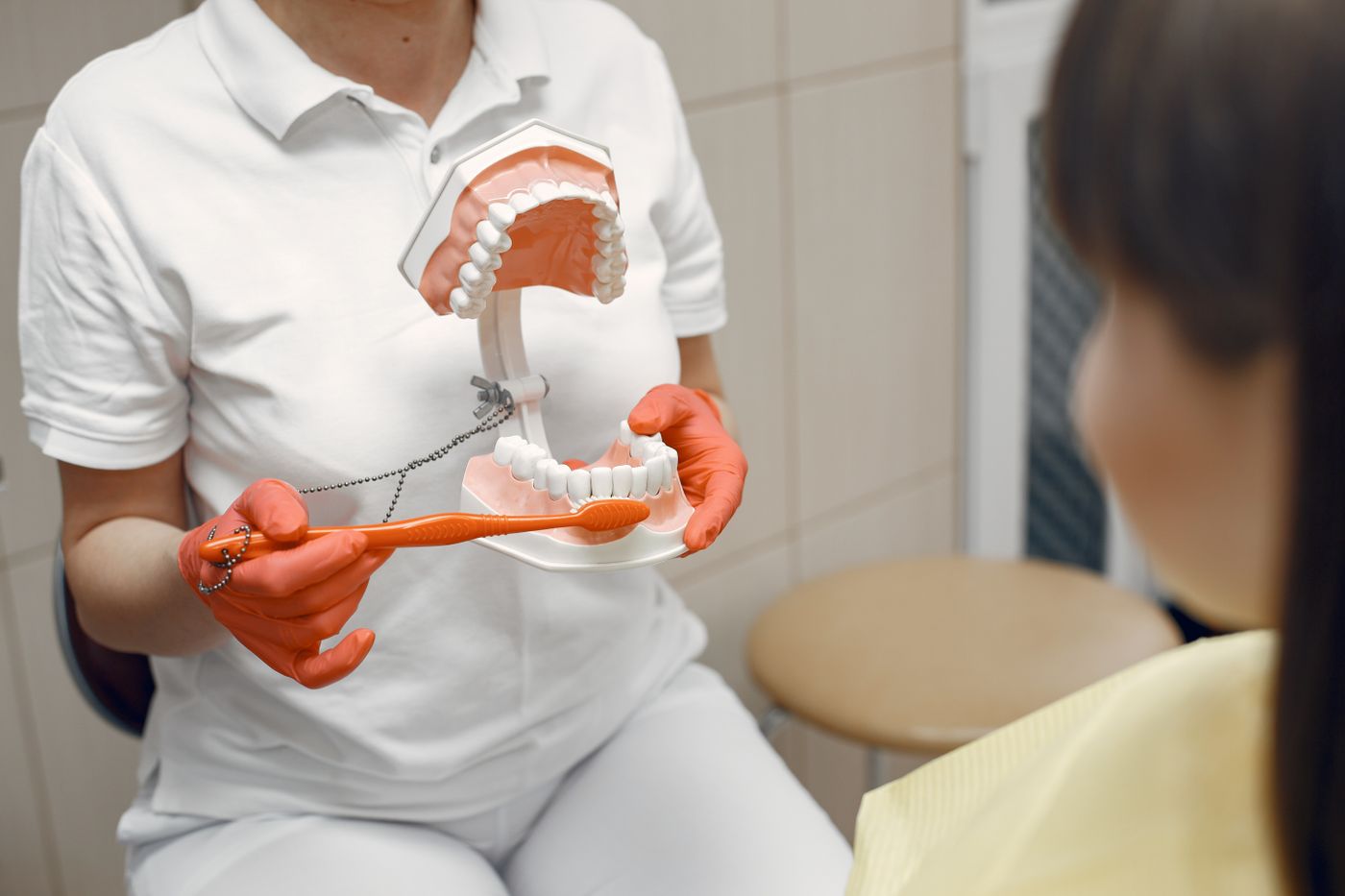
- Do not use it as a replacement for brushing or cleaning between your teeth.
- Do not increase the salt if it does not seem to be working.
- Book a dental appointment if bleeding, swelling or pain lasts beyond a few days.
It worked so well for three days that I did it for eleven months, which is how a useful remedy becomes a pointless habit.
A final note from Sarah
This is the natural remedy I rate most highly and use least often, and I do not think that is a contradiction. It has a narrow, genuine use. Stretching it beyond that gained me nothing and cost me a dry mouth. Anything that keeps bleeding needs a professional, not a saltier glass of water.
Frequently asked questions
- How much salt should I use in a rinse?
- A small amount dissolved in a glass of warm water is the usual suggestion. Stronger solutions are not more effective and tend to be uncomfortable, particularly on an area that is already sore.
- Can I use a salt rinse every day?
- It is generally suggested as a short course of a few days rather than an indefinite daily habit. In my own experience prolonged daily use left my mouth feeling drier, and it is worth asking your dentist before making it permanent.
- Will a salt rinse fix bleeding gums?
- It may make a sore area more comfortable in the short term, but it does not address why gums are bleeding. Bleeding that continues beyond a few days is a reason to see a dentist rather than to keep rinsing.

Written by
Sarah
Wellness writer — founder of Sarah Wellness Corner
Sarah is a pen name. She is a wellness content creator writing from a consumer's perspective, not a clinician's — she is not a dentist, dental hygienist, doctor or medical professional of any kind, and holds no clinical qualification. Her articles are personal experience and general education, written after reading widely and changing her own habits over several years. They are not medical advice and are not a substitute for a consultation with a qualified dental professional. Identifying details in the personal stories on this site have been changed; the experiences are real, the names and specifics are not.
Join the Sarah Wellness Corner Community
Receive practical oral care tips, healthy habits, educational articles, and wellness inspiration.
Related articles

Common Reasons Your Gums May Feel Sensitive
Tender gums are common, and the cause is often something ordinary. Here is a plain-language walk through the usual explanations, what tends to help, and the signs that mean it is time to book an appointment.
Every Natural Remedy I Tried, Ranked
Two years, one thing at a time, notes kept throughout. Here they are in order, including the two I would actively tell you to skip.

I Stopped Using Antiseptic Mouthwash
Six years of nightly rinsing, stopped in one evening. I expected consequences. I want to be careful about what I claim happened instead.

I Tried Oil Pulling For 14 Days
Fourteen mornings, recorded as they happened. Including the three days I skipped and the week where it finally stopped being unpleasant.

Signs Your Mouth Bacteria Are Off
Most of these are easy to normalise and ignore for months. Several of them are the point at which you should be booking rather than browsing.

Oil Pulling: The Part Nobody Explains
The instructions all say the same thing, and they all skip the same two details. Those details are why most people quit in week one.