Healthy Gums
Signs Your Mouth Bacteria Are Off
Most of these are easy to normalise and ignore for months. Several of them are the point at which you should be booking rather than browsing.
By Sarah · August 20, 2026 · 8 min read
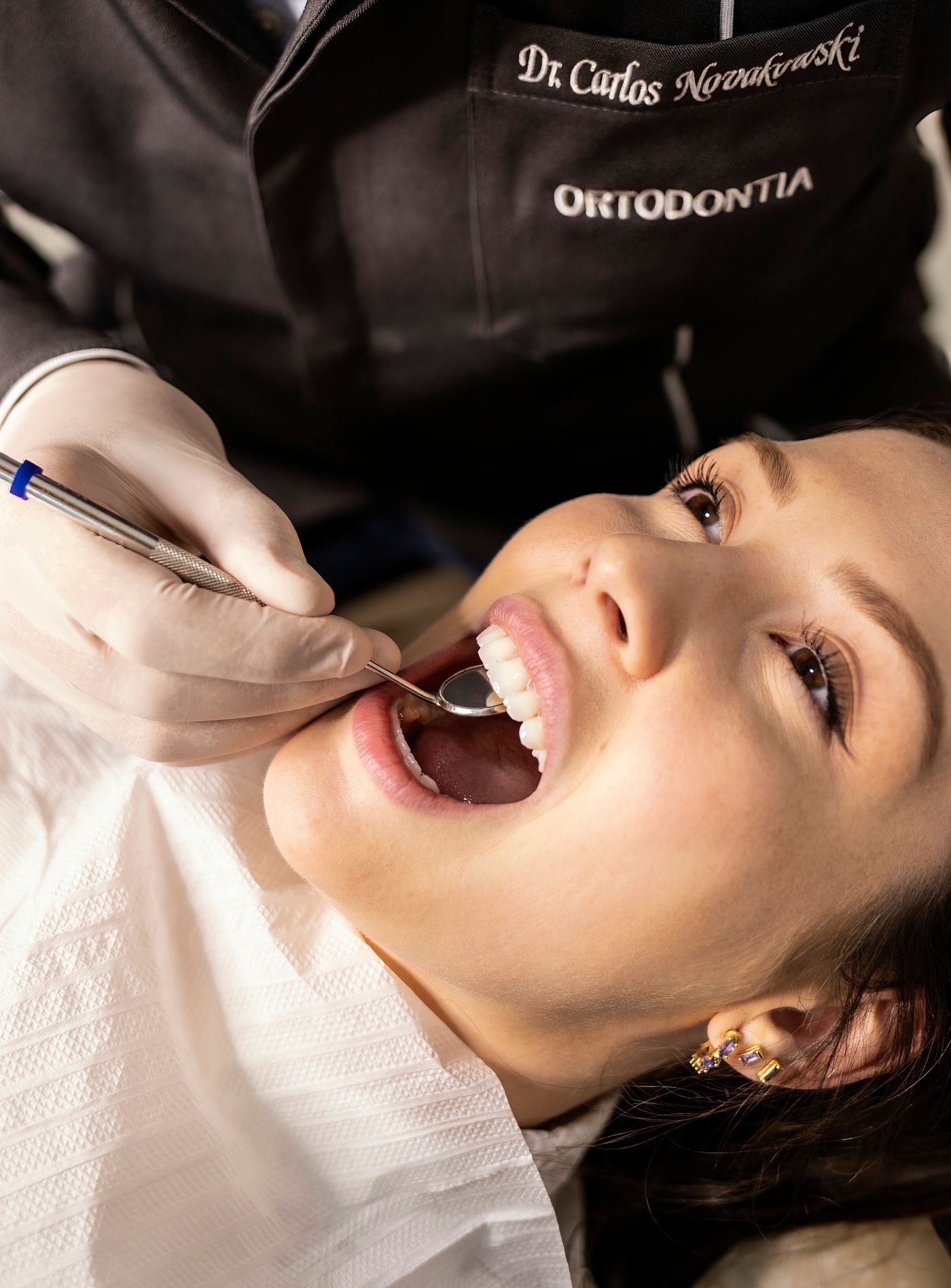
Key takeaways
- Bleeding when brushing or cleaning between teeth is common and is not normal — it is worth raising.
- Persistent bad breath that survives a good routine is a reason to book, not to buy a stronger rinse.
- A persistently dry mouth is worth mentioning even though it does not feel like a dental issue.
- Sudden changes matter more than any single steady-state observation.
- None of these are self-diagnosable, and this article is not a diagnostic tool.
I ignored bleeding gums for roughly two years on the assumption that everyone's gums bleed a bit when you floss.
They do not, and being told that plainly was more useful than everything else I had read on the subject combined.
Facts and tips worth knowing first
- Gums that bleed when brushed or flossed are common, but common is not the same as normal.
- Bad breath that persists despite a genuinely good routine has a cause worth identifying.
- A persistently dry mouth affects the oral environment and is worth mentioning.
- A change from your own baseline is more meaningful than any absolute observation.
- None of these signals identify a specific cause — that is what an examination is for.
How this started for me
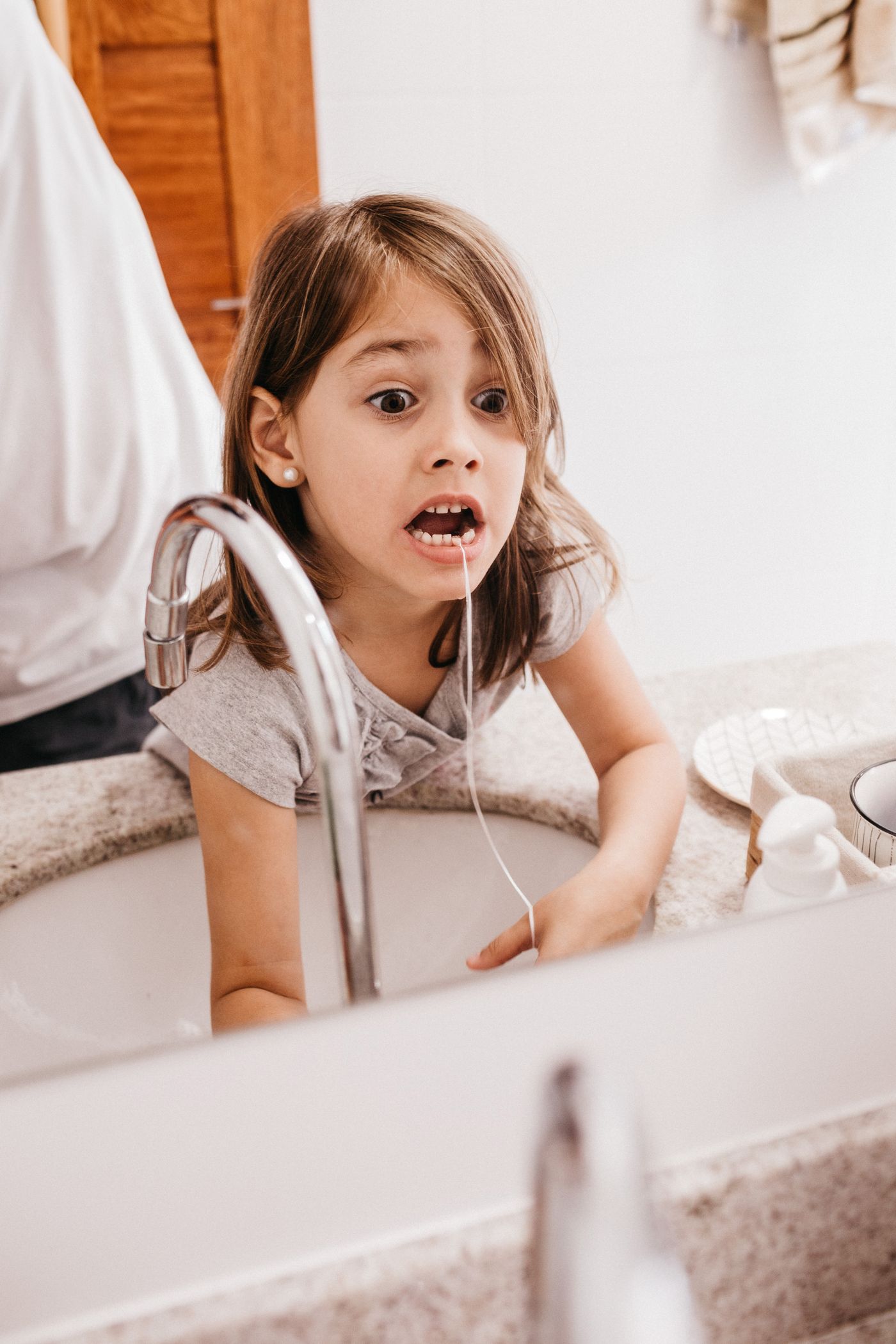
A hygienist asked whether my gums bled when I flossed. I said yes, a bit, in the tone you would use to describe something entirely unremarkable. She said that was worth looking at, and I was genuinely surprised.
I had normalised it completely. It had been happening for so long that it had stopped registering as information.
The challenges I faced
The core difficulty with all of these signals is that they arrive gradually, which is exactly the pattern that stops you noticing them.
- Bleeding had become so routine that I no longer perceived it as a symptom.
- I could not assess my own breath and was too self-conscious to ask anyone.
- I treated dry mouth as a hydration annoyance rather than anything dental.
- I responded to symptoms by buying products rather than by booking an appointment.
- I searched online for reassurance rather than for information, and found plenty.
What I tried
Writing down what I actually noticed
Over two weeks, without interpreting any of it. Bleeding, when. Dryness, when. Breath, according to someone else. Having it written down made a pattern visible that I had been averaging away in my head.
Taking it to someone qualified
This is the entire point of the exercise. I took the notes to an appointment rather than to a search engine, and got an answer specific to my mouth in about ten minutes.
Fixing the obvious things first
My interdental cleaning was inconsistent and my brushing was too hard and too fast. Both were addressed before anything else was considered, and both were free.
Not self-treating
The instinct when something is wrong is to buy a stronger product. That was consistently the wrong instinct, and it delayed me by about two years.

A supporting habit, not a substitute. ProDentim is a daily oral probiotic supplement meant to sit alongside brushing, cleaning between your teeth and regular dental visits — never in place of them. Learn More About ProDentim (Affiliate link)
What worked well for me
- Recording observations for two weeks without trying to interpret them.
- Taking those notes to a dentist rather than to a search engine.
- Correcting brushing technique and interdental consistency before anything else.
- Asking someone I trust about my breath, awkward as that conversation was.
- Treating a change from my own baseline as the signal worth acting on.
How I'm doing now
The bleeding stopped after a few weeks of cleaning between my teeth properly and brushing more gently, which is an unglamorous answer and was apparently a fairly predictable one.
The lesson I took was not about any particular product. It was that I had spent two years treating a signal as background noise, and that a ten-minute conversation resolved what two years of ignoring it had not.
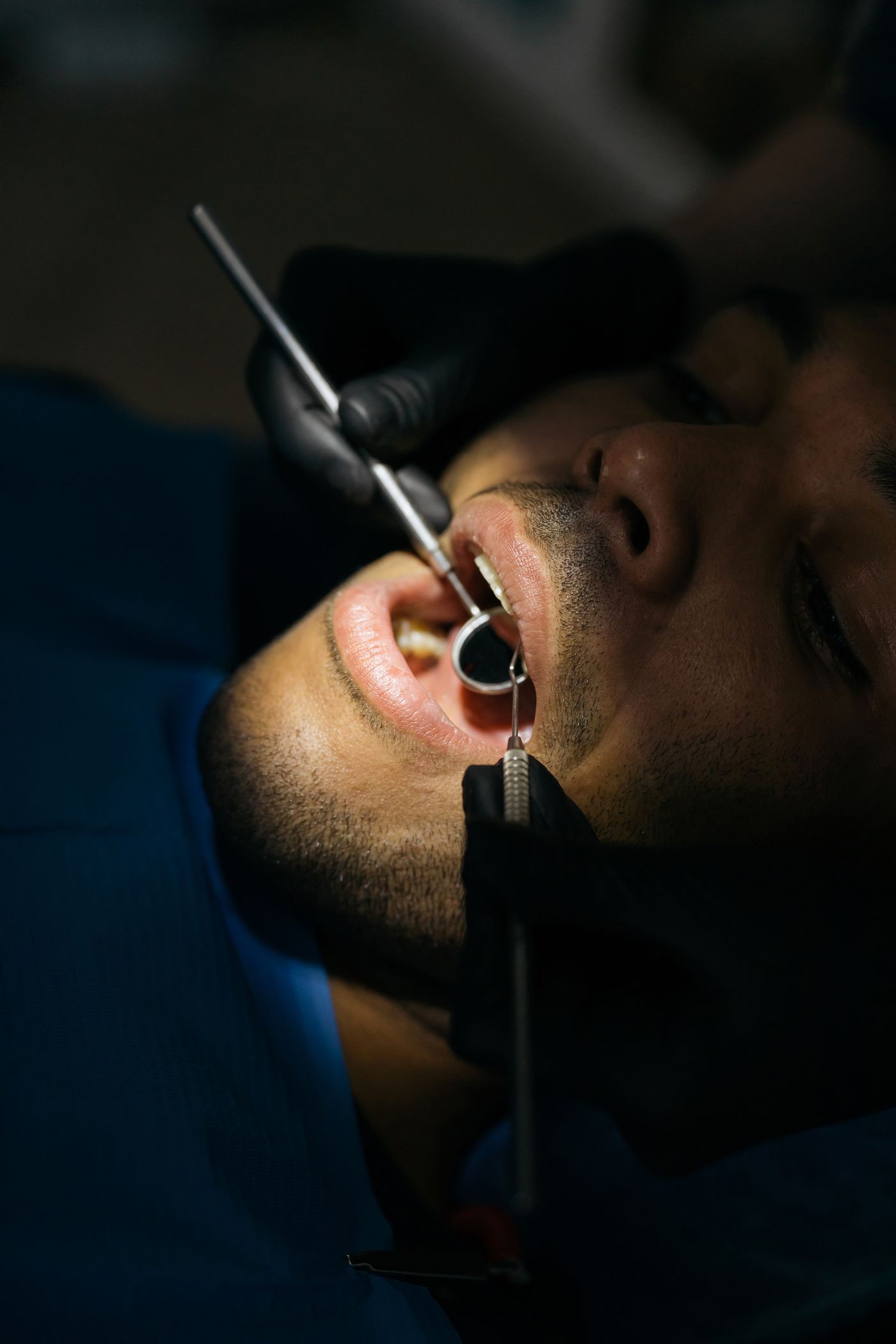
Try this method — don't miss this step
The step that matters is booking. Every signal in this article is a reason to have someone qualified look, not a reason to buy something stronger — and buying something stronger is what I did for two years.
- Note whether your gums bleed when you brush or clean between your teeth.
- Notice bad breath that persists despite a genuinely consistent routine.
- Pay attention to a mouth that is regularly dry, and mention it.
- Watch for changes from your own normal rather than absolutes.
- Write observations down for two weeks rather than relying on memory.
- Book an appointment — do not treat any of this yourself.
- Never use a stronger rinse to cover a symptom you have not had looked at.
I had normalised bleeding gums so completely that they had stopped registering as information at all.
A final note from Sarah
I want to be direct about this one, because it is the article on this site where getting it wrong matters most. Nothing here diagnoses anything. Persistent bleeding, swelling, pain, a bad taste that will not shift or any sudden change is a reason to see a dentist promptly. Please do not do what I did and spend two years buying products instead.
Frequently asked questions
- Is it normal for gums to bleed when flossing?
- It is common, but common is not the same as normal, and it is worth raising with a dentist rather than accepting. In my own case it resolved after a few weeks of cleaning between my teeth consistently and brushing more gently.
- When should bad breath make me see a dentist?
- If it persists despite a genuinely consistent routine — brushing twice daily, cleaning between teeth, staying hydrated — then it has a cause worth identifying rather than covering with a stronger rinse.
- Can I tell if my oral bacteria are unbalanced?
- Not from home, and this article is not a diagnostic tool. The signals described here are reasons to have someone qualified examine your mouth, not a basis for self-diagnosis or for buying a supplement.

Written by
Sarah
Wellness writer — founder of Sarah Wellness Corner
Sarah is a pen name. She is a wellness content creator writing from a consumer's perspective, not a clinician's — she is not a dentist, dental hygienist, doctor or medical professional of any kind, and holds no clinical qualification. Her articles are personal experience and general education, written after reading widely and changing her own habits over several years. They are not medical advice and are not a substitute for a consultation with a qualified dental professional. Identifying details in the personal stories on this site have been changed; the experiences are real, the names and specifics are not.
Join the Sarah Wellness Corner Community
Receive practical oral care tips, healthy habits, educational articles, and wellness inspiration.
Related articles

Common Reasons Your Gums May Feel Sensitive
Tender gums are common, and the cause is often something ordinary. Here is a plain-language walk through the usual explanations, what tends to help, and the signs that mean it is time to book an appointment.

Why Bad Breath Comes Back, Even When You Brush Twice A Day
Breath that is fine at nine and back by two is a different problem from morning breath, and it usually is not a brushing problem. Here is where the odour actually comes from and how to check your own honestly.

Your Mouth Has Good Bacteria Too
Almost everything marketed to us frames the mouth as a battlefield. The actual picture is a mixed community, and that changes how I think about my routine.

Salt Rinse: When It Helps, When It Hurts
This is the natural remedy I was most surprised by — useful in a narrow set of circumstances, and completely unnecessary the rest of the time.

What Mouthwash Actually Kills
The number on the bottle is real. The thing it does not tell you is which ninety-nine percent, and what grows back afterwards.

The Mouth Bacteria Nobody Told Me About
I had thirty years of dental appointments before anyone mentioned that my mouth contains a community rather than a problem.