Dental Hygiene
What Mouthwash Actually Kills
The number on the bottle is real. The thing it does not tell you is which ninety-nine percent, and what grows back afterwards.
By Sarah · August 20, 2026 · 8 min read

Key takeaways
- Broad antiseptic rinses act indiscriminately — they do not distinguish between populations.
- The 99% figure is typically a laboratory measure and not a description of your mouth hours later.
- Populations recover after rinsing, which is why the effect is temporary.
- A fresh taste comes largely from flavouring and is not evidence of anything.
- Fluoride rinses and antiseptic rinses do different jobs and are often confused.
I used an antiseptic mouthwash every night for about six years without ever reading the bottle properly.
When I finally did, the interesting thing was not what it said. It was how much it did not say, and how much I had filled in myself.
Facts and tips worth knowing first
- Broad antiseptic rinses act on a wide range of microorganisms without distinguishing between them.
- Percentage claims are typically laboratory measures under controlled conditions.
- Oral microbial populations recover after rinsing, so any effect is temporary by nature.
- The fresh sensation comes largely from flavouring agents, not from antimicrobial action.
- Fluoride rinses and antiseptic rinses are different products doing different jobs.
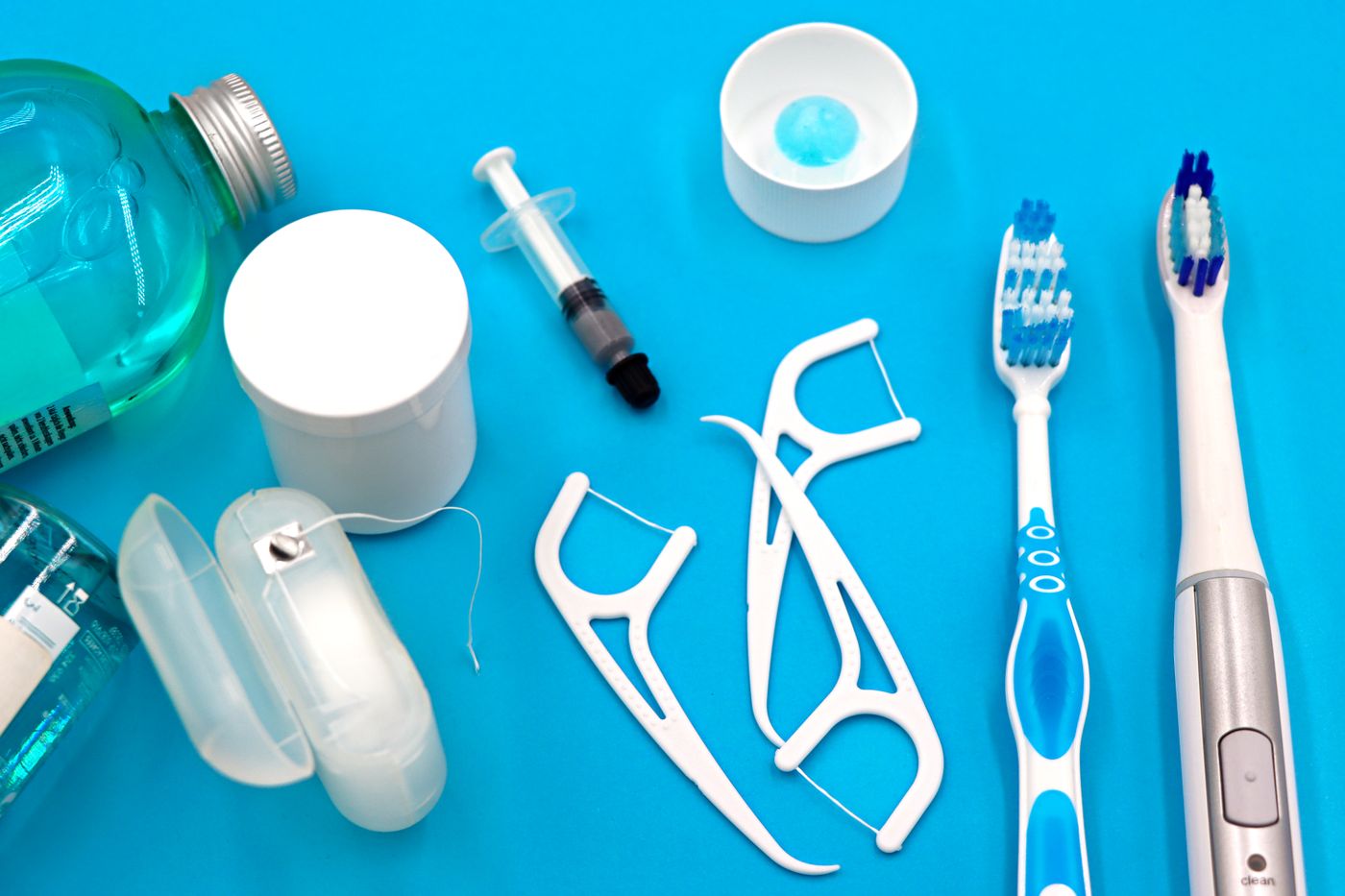
How this started for me
I got a persistent dry mouth and could not work out why. I went through the obvious causes — water intake, medication, sleeping with my mouth open — and eventually got round to the bottle I had been using nightly for years.
It was alcohol-based. I had genuinely never checked. That is not a dramatic revelation, but it made me read the rest of the label with more attention than I had ever given it.
The challenges I faced
Working out what these products actually do is harder than it should be, because the packaging is written to reassure rather than to inform.
- The 99% claim gave me no idea what was being measured or under what conditions.
- I could not tell from the front of the bottle whether it was antiseptic, fluoride, cosmetic or some combination.
- I had assumed the strong taste was the active ingredient working.
- I was using it immediately after brushing, which I later learned can rinse away concentrated fluoride from toothpaste.
- I had never asked a dentist whether I needed it at all.
What I tried
Reading the actual ingredients
The front of a bottle tells you what it is selling. The back tells you what it is. Mine was alcohol-based with no fluoride, which is a specific thing to be using every night for six years without knowing.
Separating rinsing from brushing
I stopped rinsing immediately after brushing. If you brush with fluoride toothpaste and then rinse it away thirty seconds later, you undo part of what the toothpaste was doing.
Asking whether I needed it
I asked at my next appointment and got a straightforward answer for my particular mouth, which was that I did not need a nightly antiseptic rinse and that the dryness was worth addressing.
Switching what I used and when
I moved to an alcohol-free option, used at a different time of day rather than straight after brushing, and much less often than nightly.

A supporting habit, not a substitute. ProDentim is a daily oral probiotic supplement meant to sit alongside brushing, cleaning between your teeth and regular dental visits — never in place of them. Learn More About ProDentim (Affiliate link)
What worked well for me
- Reading the ingredients rather than the marketing on the front.
- Not rinsing immediately after brushing with fluoride toothpaste.
- An alcohol-free product, used occasionally rather than nightly.
- Asking a dentist whether a rinse was necessary for me specifically.
- Treating brushing and interdental cleaning as the parts that matter.
How I'm doing now
The dry mouth resolved over a few weeks, though I changed several things at once so I cannot attribute it cleanly. My breath is no worse than it was and my check-ups have been fine.
What genuinely changed is that I now know what is in the bottle, which after six years of nightly use feels like the minimum I should have known all along.
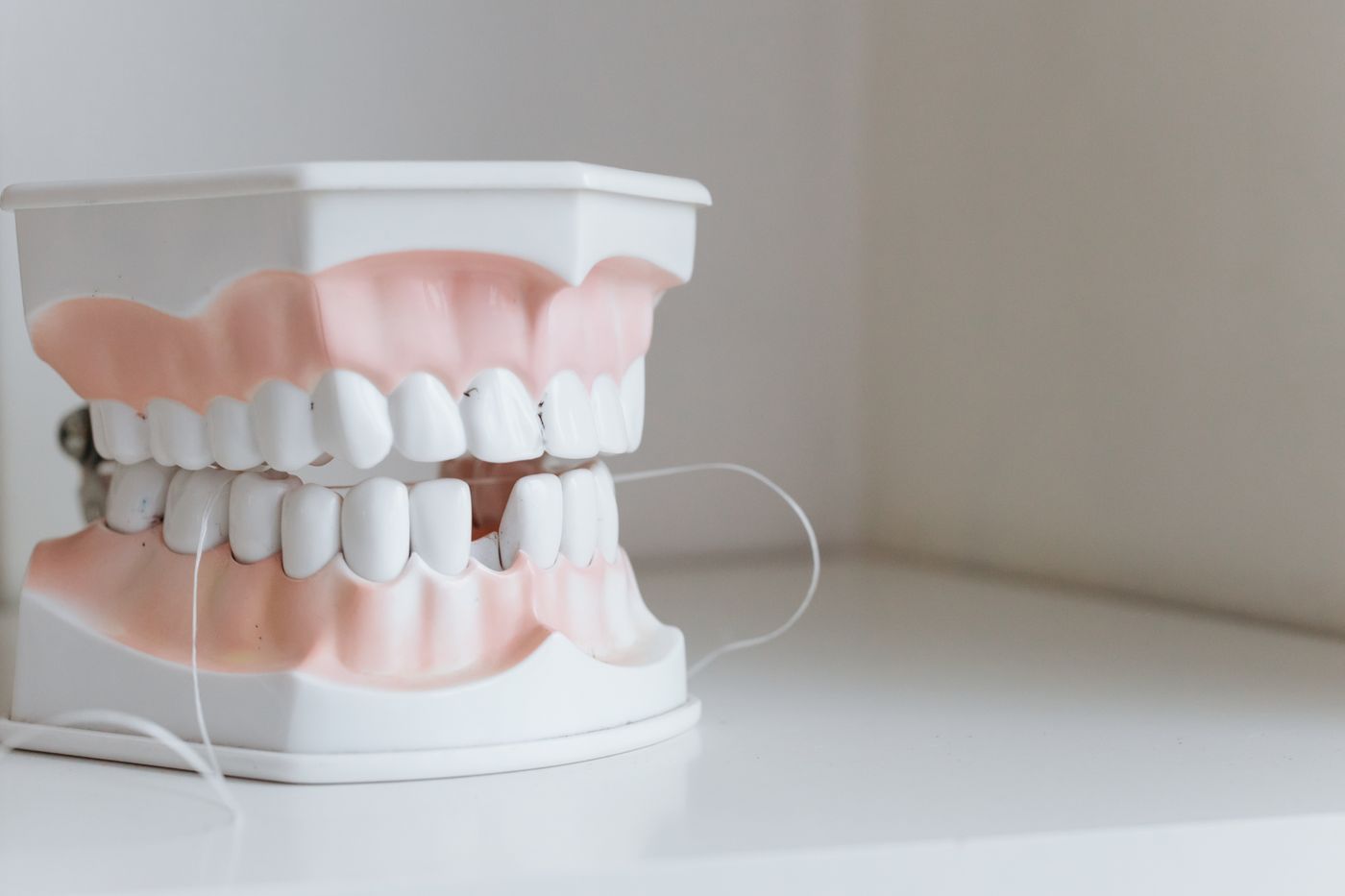
Try this method — don't miss this step
The step almost everyone skips is not rinsing straight after brushing. If you take one practical thing from this, take that one — it is free and it protects what your toothpaste just did.
- Read the ingredients on the back, not the claims on the front.
- Check whether yours is antiseptic, fluoride, cosmetic, or a combination.
- Do not rinse immediately after brushing with fluoride toothpaste.
- Ask your dentist whether you need an antiseptic rinse at all.
- Consider alcohol-free if you get a dry mouth.
- Do not treat a fresh taste as evidence that something worked.
The front of the bottle tells you what it is selling. The back tells you what it is. I read the front for six years.
A final note from Sarah
None of this is an argument against mouthwash, and there are good reasons a dentist might specifically recommend one. It is an argument against using a product nightly for years without knowing what it contains, which is what I did. If your dentist has told you to use a particular rinse, keep using it.
Frequently asked questions
- What does the 99% of germs claim actually mean?
- It is typically a laboratory measure taken under controlled conditions rather than a description of your mouth some hours later. It also does not distinguish between the different populations present, since broad antiseptics act indiscriminately.
- Should I rinse straight after brushing?
- Rinsing immediately after brushing washes away the concentrated fluoride left by toothpaste, so it is generally suggested to spit rather than rinse, and to use any mouthwash at a different time.
- Is alcohol-free mouthwash better?
- It is often suggested for people who experience a dry mouth, which was my own reason for switching. Whether you need a rinse at all is a better first question to ask your dentist.

Written by
Sarah
Wellness writer — founder of Sarah Wellness Corner
Sarah is a pen name. She is a wellness content creator writing from a consumer's perspective, not a clinician's — she is not a dentist, dental hygienist, doctor or medical professional of any kind, and holds no clinical qualification. Her articles are personal experience and general education, written after reading widely and changing her own habits over several years. They are not medical advice and are not a substitute for a consultation with a qualified dental professional. Identifying details in the personal stories on this site have been changed; the experiences are real, the names and specifics are not.
Join the Sarah Wellness Corner Community
Receive practical oral care tips, healthy habits, educational articles, and wellness inspiration.
Related articles

Why Killing 99% Of Bacteria Backfires
The 99% figure sounds like an achievement. What it describes is an indiscriminate effect on a community that grows back regardless.

I Stopped Using Antiseptic Mouthwash
Six years of nightly rinsing, stopped in one evening. I expected consequences. I want to be careful about what I claim happened instead.

Your Mouth Has Good Bacteria Too
Almost everything marketed to us frames the mouth as a battlefield. The actual picture is a mixed community, and that changes how I think about my routine.
Signs Your Mouth Bacteria Are Off
Most of these are easy to normalise and ignore for months. Several of them are the point at which you should be booking rather than browsing.

Why Bad Breath Comes Back, Even When You Brush Twice A Day
Breath that is fine at nine and back by two is a different problem from morning breath, and it usually is not a brushing problem. Here is where the odour actually comes from and how to check your own honestly.

The Order Your Oral Routine Should Actually Follow
I did the same three things every night for twenty years in the wrong order, and the last one was undoing part of the first. Every fix here is free.