Dental Hygiene
I Stopped Using Antiseptic Mouthwash
Six years of nightly rinsing, stopped in one evening. I expected consequences. I want to be careful about what I claim happened instead.
By Sarah · August 20, 2026 · 8 min read

Key takeaways
- I stopped a nightly habit I had adopted from advertising, not from advice.
- My breath did not deteriorate, which was the outcome I had most feared.
- The dry mouth I had been living with improved over several weeks.
- This is one person's experience and not a recommendation to stop anything prescribed.
- If a dentist recommended your rinse for a specific reason, keep using it.
I used an antiseptic mouthwash every night for about six years, and I could not have told you why beyond a vague sense that it was what responsible people did.
So I stopped, and paid attention for three months. This is what happened, with the caveats it deserves.
Facts and tips worth knowing first
- There are legitimate clinical reasons a dentist may recommend an antiseptic rinse — this is not about those.
- A habit adopted from advertising is a different thing from a prescribed one.
- Alcohol-based rinses can contribute to a dry mouth in some people.
- Rinsing straight after brushing washes away concentrated fluoride from toothpaste.
- One person's three-month experience is an anecdote, not evidence.
How this started for me
The trigger was a persistently dry mouth I could not account for. I went through the plausible explanations and eventually arrived at the alcohol-based product I had been using nightly for six years without reading the label.
I also could not answer a simple question: why am I doing this? Nobody had recommended it. I had absorbed it from advertising and never revisited the decision.
The challenges I faced
The anxiety was the main obstacle, and it was entirely disproportionate to what was actually at stake.
- I was convinced my breath would become noticeably worse and that people would notice.
- I had used the rinse as a substitute for flossing on tired nights, so stopping exposed that gap.
- The absence of the strong taste made my mouth feel 'unfinished' for a couple of weeks.
- I nearly restarted twice in the first month for no reason other than habit.
- It is genuinely difficult to assess your own breath, which limits what I can conclude.
What I tried
Stopping outright rather than tapering
There is no reason to taper a mouthwash. I stopped in one evening, which at least made the timeline clean.
Tightening the parts that actually matter
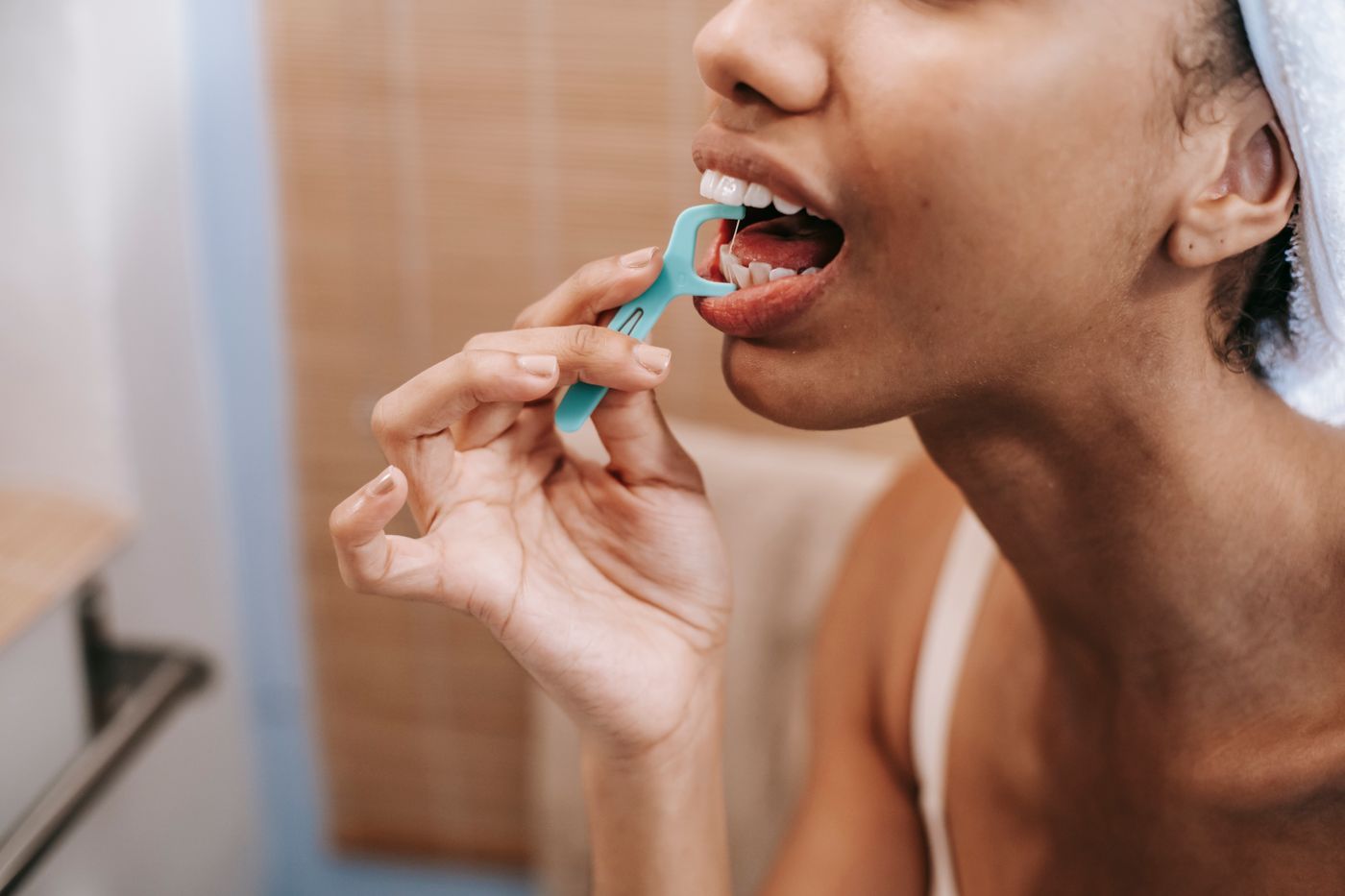
I made sure I was cleaning between my teeth every night rather than most nights. If I was removing a step, I wanted the important ones to be genuinely solid.
Asking someone honest
Since I cannot assess my own breath, I asked my partner to tell me plainly if anything changed. That is an awkward conversation and it is the only way to get a useful answer.
Raising it at my next appointment
I told my dentist what I had done rather than presenting it as a fait accompli, and asked whether it was reasonable for my mouth specifically. It was. That answer might be different for someone else.
A supporting habit, not a substitute. ProDentim is a daily oral probiotic supplement meant to sit alongside brushing, cleaning between your teeth and regular dental visits — never in place of them. Learn More About ProDentim (Affiliate link)
What worked well for me
- Cleaning between my teeth every single night, without exception.
- Brushing properly for a full two minutes with fluoride toothpaste.
- Spitting rather than rinsing after brushing.
- Drinking more water through the day.
- Asking someone I trust for an honest answer about my breath.
How I'm doing now
Three months on: no reported change in my breath, a noticeably less dry mouth, one fewer step and one fewer thing to buy. My subsequent check-up was unremarkable.
I want to be careful here. I changed several things at once — I also started flossing more consistently — so I cannot cleanly attribute any of it. The most I will claim is that stopping did not produce the consequences I expected.

Try this method — don't miss this step
The step to not skip is asking your dentist first. If your rinse was recommended for a specific reason, none of this applies to you and stopping would be a bad idea.
- Ask your dentist whether you need an antiseptic rinse before stopping one.
- Keep using it exactly as directed if it was recommended for a clinical reason.
- Make sure brushing and interdental cleaning are genuinely solid first.
- Never use a rinse as a substitute for cleaning between your teeth.
- Spit rather than rinse after brushing, whatever else you decide.
- Ask someone you trust for an honest assessment, since you cannot judge your own breath.
- See a dentist about persistent bad breath rather than covering it.
I could not answer the question 'why am I doing this?' after six years of doing it every single night.
A final note from Sarah
I am not telling anyone to stop using mouthwash. I am describing what happened when I stopped a habit I had never chosen deliberately, and the honest result is that nothing much happened. If your dentist recommended yours, that is a completely different situation and their advice is worth more than my three months.
Frequently asked questions
- Did your breath get worse after stopping?
- Not according to the person I asked to tell me honestly, over three months. I should be clear that assessing your own breath is unreliable, and that I changed more than one thing at the same time.
- Should I stop using mouthwash too?
- That depends entirely on why you use it, and it is a question for your dentist. If it was recommended for a specific clinical reason, you should keep using it as directed.
- What should I do instead?
- The parts that do the actual work are brushing properly twice a day with fluoride toothpaste and cleaning between your teeth daily. A rinse is never a substitute for the second of those.

Written by
Sarah
Wellness writer — founder of Sarah Wellness Corner
Sarah is a pen name. She is a wellness content creator writing from a consumer's perspective, not a clinician's — she is not a dentist, dental hygienist, doctor or medical professional of any kind, and holds no clinical qualification. Her articles are personal experience and general education, written after reading widely and changing her own habits over several years. They are not medical advice and are not a substitute for a consultation with a qualified dental professional. Identifying details in the personal stories on this site have been changed; the experiences are real, the names and specifics are not.
Join the Sarah Wellness Corner Community
Receive practical oral care tips, healthy habits, educational articles, and wellness inspiration.
Related articles

What Mouthwash Actually Kills
The number on the bottle is real. The thing it does not tell you is which ninety-nine percent, and what grows back afterwards.

Why Killing 99% Of Bacteria Backfires
The 99% figure sounds like an achievement. What it describes is an indiscriminate effect on a community that grows back regardless.

Why Bad Breath Comes Back, Even When You Brush Twice A Day
Breath that is fine at nine and back by two is a different problem from morning breath, and it usually is not a brushing problem. Here is where the odour actually comes from and how to check your own honestly.

Your Mouth Has Good Bacteria Too
Almost everything marketed to us frames the mouth as a battlefield. The actual picture is a mixed community, and that changes how I think about my routine.
Signs Your Mouth Bacteria Are Off
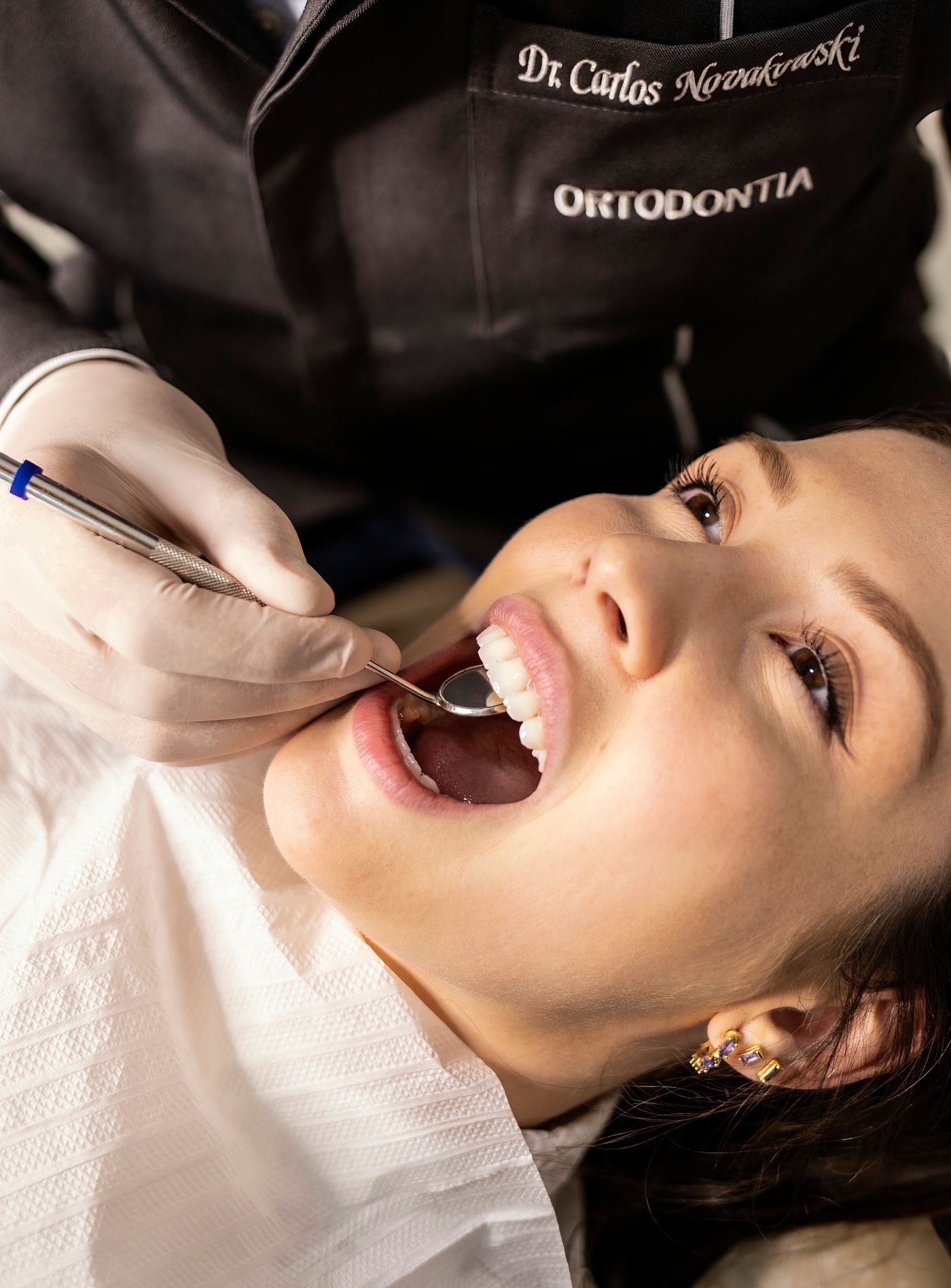
Most of these are easy to normalise and ignore for months. Several of them are the point at which you should be booking rather than browsing.

The Order Your Oral Routine Should Actually Follow
I did the same three things every night for twenty years in the wrong order, and the last one was undoing part of the first. Every fix here is free.