Dental Tips
My Sister's Weird Tip That Worked
She said it casually, over a Sunday lunch, and I dismissed it for about four months before trying it. She was right.
By Sarah · August 20, 2026 · 7 min read

Key takeaways
- The tip was to stop rinsing with water after brushing, and spit instead.
- Rinsing washes away the concentrated fluoride the toothpaste just delivered.
- It costs nothing, takes no extra time and requires no product.
- It felt wrong for about two weeks and then became completely normal.
- It is widely recommended by dental professionals and almost nobody I know does it.
My sister told me to stop rinsing my mouth out after brushing. Just spit, and leave it.
I told her that sounded unpleasant and slightly unhygienic, and I ignored it for four months. She was right and I was wrong, and here is why.
Facts and tips worth knowing first
- Fluoride toothpaste leaves a concentrated residue on teeth after brushing.
- Rinsing with water immediately afterwards washes much of that away.
- 'Spit, don't rinse' is a widely repeated piece of dental advice.
- It costs nothing and requires no additional product or time.
- It does not replace anything — it simply stops you undoing part of what you just did.

How this started for me
It came up over Sunday lunch, entirely in passing. She had heard it from her hygienist and mentioned it the way you mention that a road is closed.
I dismissed it because it sounded like a small, fussy detail, and because the idea of not rinsing felt vaguely unclean. Both of those reactions were about habit rather than reasoning, which I only worked out much later.
The challenges I faced
The difficulty is entirely psychological and it is real. Rinsing after brushing is one of the most automatic things I do, and interrupting it took genuine attention for a fortnight.
- I rinsed automatically for the first week without noticing until afterwards.
- The residual taste felt strange and slightly unpleasant at first.
- I kept reaching for the glass, because it lives right there.
- I assumed 'not rinsing' meant leaving my mouth full of foam, which is not what it means.
- I dismissed the whole idea initially because it seemed too small to matter.
What I tried
Moving the glass
The most effective intervention was physical. I moved the glass off the sink and onto a shelf. The habit broke within days once the prompt was gone.
Spitting thoroughly instead
The instruction is spit, not rinse — you get rid of the excess, you just do not wash the residue away with water. That distinction removed most of my objection once I understood it.
Adjusting when I use mouthwash
If you rinse with mouthwash straight after brushing, that has the same effect as rinsing with water. I moved mine to a different time of day entirely.
Giving it two weeks
The strangeness genuinely goes away. I would not have believed that at the time, and it took about ten days.
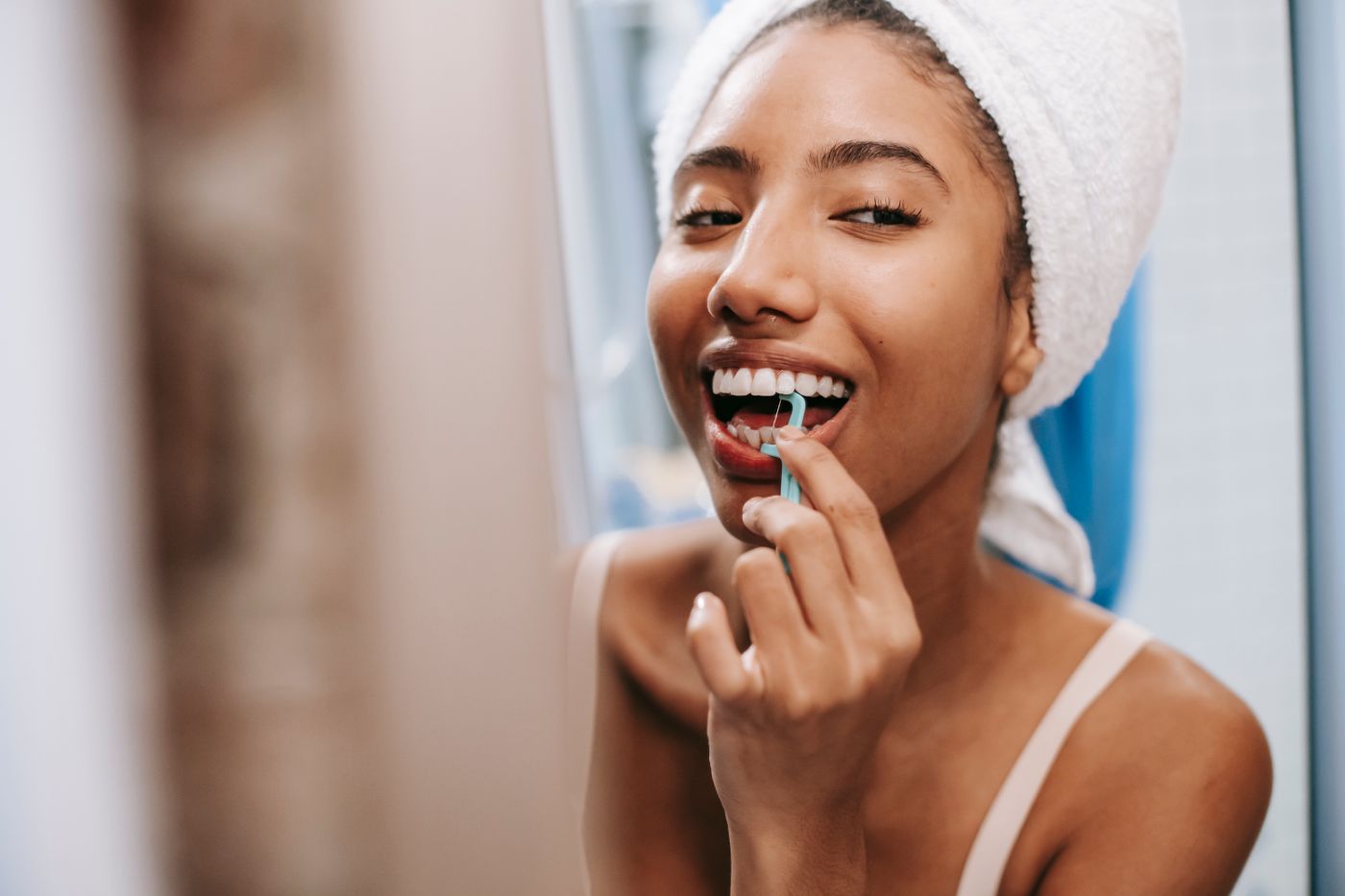
A supporting habit, not a substitute. ProDentim is a daily oral probiotic supplement meant to sit alongside brushing, cleaning between your teeth and regular dental visits — never in place of them. Learn More About ProDentim (Affiliate link)
What worked well for me
- Moving the glass away from the sink so the prompt disappeared.
- Spitting out excess thoroughly rather than leaving foam.
- Using mouthwash at a different time of day rather than after brushing.
- Giving it two full weeks before judging it.
- Asking my own dentist, who confirmed it without hesitation.
How I'm doing now
It has been automatic for two years. I cannot tell you it produced a measurable result, because I have no way to measure it, and I would not trust anyone who claimed otherwise about a change this subtle.
What I can say is that it is free, it is endorsed by every dental professional I have asked, and it takes nothing away from anyone. That is an unusually good ratio for a piece of advice.

Try this method — don't miss this step
The step people get wrong is the mouthwash. If you spit rather than rinse and then immediately use a mouthwash, you have washed the fluoride away anyway and gained nothing.
- Spit out the excess after brushing, but do not rinse with water.
- Move the glass off the sink if you rinse automatically.
- Do not use mouthwash straight afterwards — move it to another time of day.
- Give it two weeks before deciding it is unpleasant.
- Keep everything else about your routine unchanged.
- Ask your dentist to confirm it suits you, particularly if you use a prescribed toothpaste.
She mentioned it the way you mention that a road is closed, and it turned out to be the best oral-care advice anyone has given me.
A final note from Sarah
I like this one because it is free, it is boring, and it asks nothing of you except breaking one automatic movement. Most of the advice I encounter costs money and promises a great deal. This costs nothing and promises very little, which is usually a good sign.
Frequently asked questions
- Why should you not rinse after brushing?
- Fluoride toothpaste leaves a concentrated residue on the teeth, and rinsing with water immediately afterwards washes much of it away. Spitting out the excess without rinsing leaves that residue in place.
- Can I use mouthwash instead of rinsing with water?
- That has much the same effect, since it also washes the toothpaste residue away. If you use a mouthwash, it generally makes more sense to use it at a different time of day rather than straight after brushing.
- Does it feel unpleasant?
- It felt strange to me for about ten days and then became completely normal. You still spit out the excess — the instruction is not to leave your mouth full of foam.

Written by
Sarah
Wellness writer — founder of Sarah Wellness Corner
Sarah is a pen name. She is a wellness content creator writing from a consumer's perspective, not a clinician's — she is not a dentist, dental hygienist, doctor or medical professional of any kind, and holds no clinical qualification. Her articles are personal experience and general education, written after reading widely and changing her own habits over several years. They are not medical advice and are not a substitute for a consultation with a qualified dental professional. Identifying details in the personal stories on this site have been changed; the experiences are real, the names and specifics are not.
Join the Sarah Wellness Corner Community
Receive practical oral care tips, healthy habits, educational articles, and wellness inspiration.
Related articles
The One Natural Thing That Stuck
It is not oil pulling. It is not a rinse. It is a three-second sequencing change, and it is the only thing I have done every day without fail.
Natural Oral Care That Actually Held Up
I tried a great many natural oral-care ideas. Three of them are still part of my week. Here is why those three and not the others.

The Order Your Oral Routine Should Actually Follow
I did the same three things every night for twenty years in the wrong order, and the last one was undoing part of the first. Every fix here is free.

10 Daily Habits That Help Keep Your Smile Healthy
Healthy teeth are rarely the result of one big change. They are the result of ten small things repeated on ordinary days. Here is what dental professionals talk about most often — and how to make each habit realistic.

I Tried Oil Pulling For 14 Days
Fourteen mornings, recorded as they happened. Including the three days I skipped and the week where it finally stopped being unpleasant.

Oil Pulling: The Part Nobody Explains
The instructions all say the same thing, and they all skip the same two details. Those details are why most people quit in week one.