Dental Tips
The One Natural Thing That Stuck
It is not oil pulling. It is not a rinse. It is a three-second sequencing change, and it is the only thing I have done every day without fail.
By Sarah · August 20, 2026 · 7 min read
Key takeaways
- The habit that survived was drinking plain water after anything acidic or strongly coloured.
- It costs nothing, takes seconds and requires no belief about mechanism.
- Acid temporarily softens enamel, which is why waiting before brushing matters.
- Habits that need equipment, timers or conviction are the ones that get abandoned.
- The smallest change was the only one I never once skipped.
I expected the answer to this to be oil pulling, or a rinse, or something with at least a little ceremony to it.
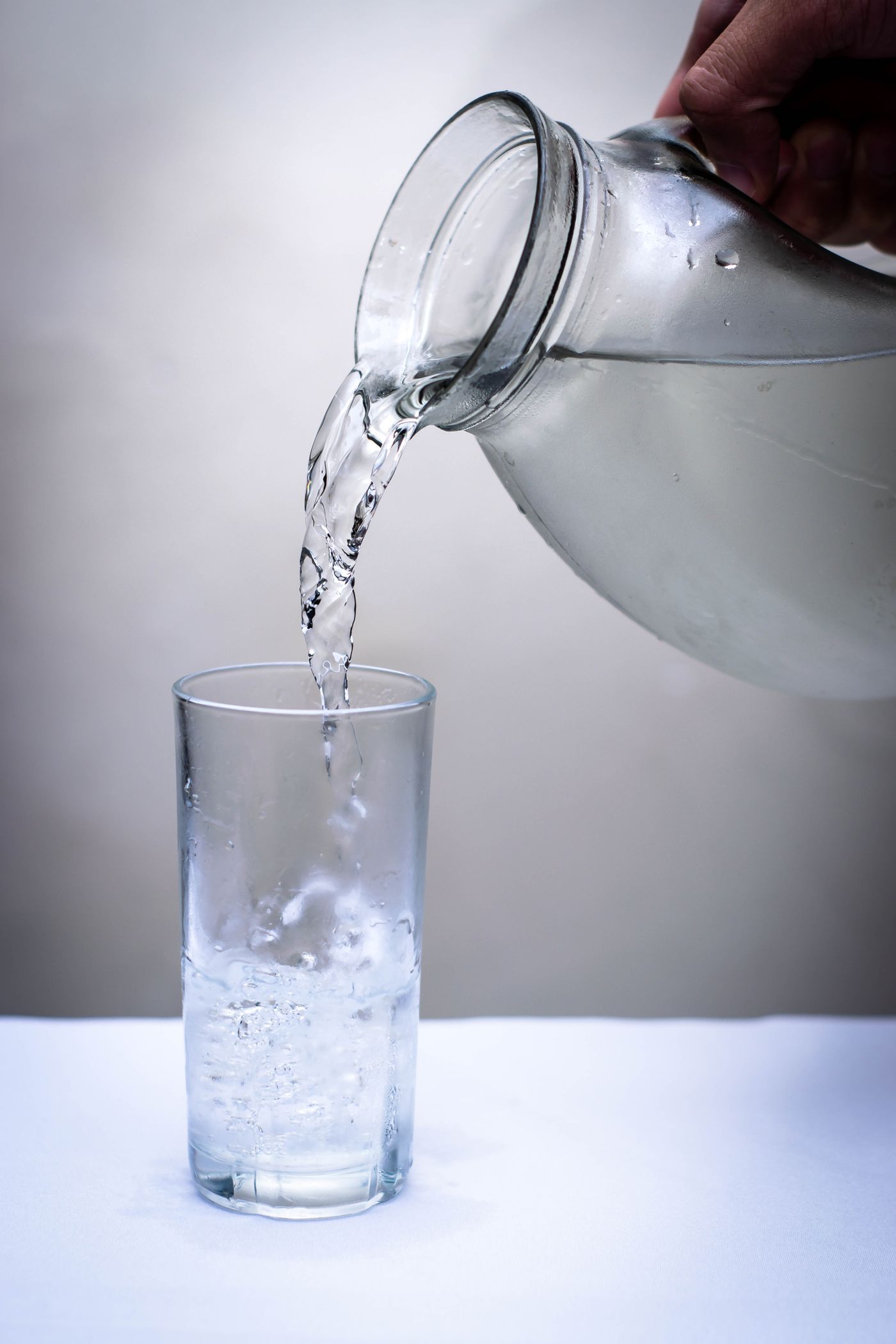
It is a glass of water. Specifically, plain water straight after coffee, tea, wine, juice or anything acidic — and then not brushing immediately afterwards.
Facts and tips worth knowing first
- Acidic food and drink temporarily soften the enamel surface.
- Brushing during that window removes more than it otherwise would.
- Plain water helps dilute and clear acid without any scrubbing.
- Sipping an acidic drink slowly over hours extends the exposure considerably.
- This is a protective habit — it does not remove plaque and replaces nothing.
How this started for me
It started as an afterthought. I was testing far more interesting things at the time — rinses, pastes, oils — and I added the water habit almost as a control, because it seemed too trivial to count.
Two years later it is the only one I have never skipped, and the interesting ones are all gone.
The challenges I faced
Honestly, there were almost none, and that is the point. Every other method I tested had some friction — a purchase, a timer, a taste to tolerate, a belief to maintain.
- The only real difficulty was remembering it in the first fortnight.
- I had to unlearn brushing immediately after breakfast, which felt wrong for weeks.
- I initially thought it was too small to be worth recording.
- I had a habit of nursing one coffee across a whole morning, which took longer to change.
- It is unglamorous, which genuinely made it harder to take seriously.
What I tried
Putting a glass where I would see it
A glass next to the kettle. That was the entire implementation. The habit formed in about two weeks with no effort beyond that.
Moving brushing away from breakfast
Brushing before breakfast rather than after, or leaving a gap afterwards. This was the part that felt strangest and turned out to matter most.
Not nursing drinks
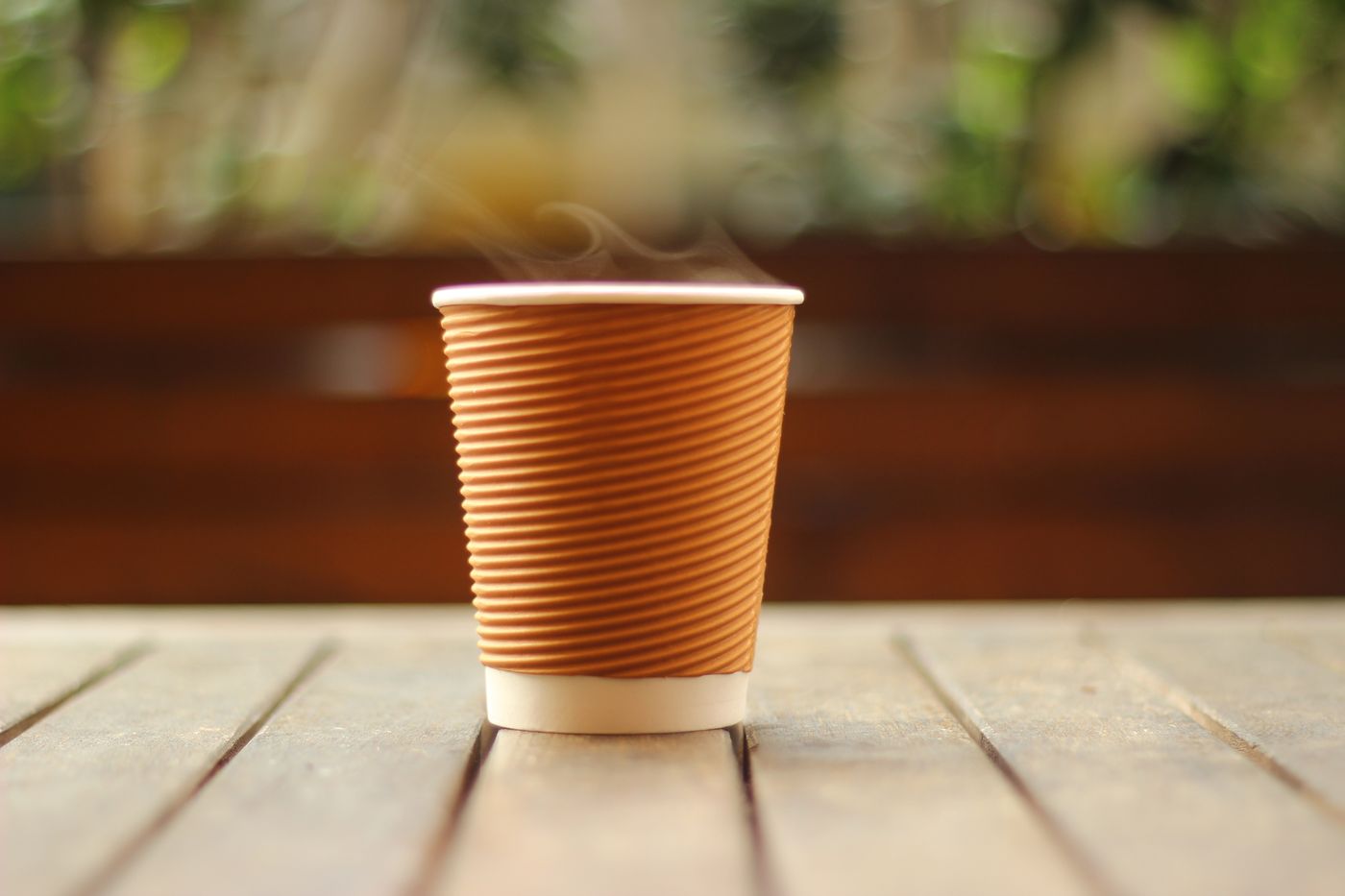
Drinking a coffee within a reasonable window rather than sipping it across three hours. This shortens the acid exposure substantially and costs nothing.
A supporting habit, not a substitute. ProDentim is a daily oral probiotic supplement meant to sit alongside brushing, cleaning between your teeth and regular dental visits — never in place of them. Learn More About ProDentim (Affiliate link)
What worked well for me
- A glass of water kept visible next to the kettle.
- Brushing before breakfast instead of straight after it.
- Finishing drinks rather than sipping them over hours.
- Water after wine in the evening, which is when I am least inclined to do anything.
- Not treating it as a remedy, so there was nothing to lose faith in.
How I'm doing now
It is completely automatic. I do not think about it, and I could not stop doing it easily at this point, which is the definition of a habit that has actually stuck.
I cannot tell you it whitened anything or fixed anything, because I have no way of knowing. What I can tell you is that it is the only thing from two years of experimenting that I still do every single day.

Try this method — don't miss this step
The step that makes this work is the waiting. Drinking the water is easy; not brushing immediately afterwards is the part that requires actually changing something.
- Keep a glass of water visible wherever you make coffee or tea.
- Drink plain water straight after anything acidic or strongly coloured.
- Do not brush immediately after acidic food or drink — leave a gap.
- Consider brushing before breakfast rather than after it.
- Finish drinks within a reasonable window rather than sipping over hours.
- Keep brushing twice daily and cleaning between your teeth exactly as before.
I added it as a control because it seemed too small to count. It is the only one still standing.
A final note from Sarah
I find this slightly deflating to write, because nobody wants the answer to be a glass of water. But the habits that survive are the ones that ask nothing of you, and this one asks nothing at all. If you are dealing with sensitivity, staining or bleeding that persists, that is still a dentist's job, not a glass of water's.
Frequently asked questions
- Why should I not brush straight after coffee or juice?
- Acid temporarily softens the enamel surface, so brushing during that window removes more than it otherwise would. Rinsing with plain water and leaving a gap before brushing avoids that without giving up the drink.
- Does plain water actually do anything?
- It helps dilute and clear acid from the mouth without any scrubbing, which is a modest protective effect rather than a cleaning one. It does not remove plaque and does not replace any part of a normal routine.
- Is it better to brush before or after breakfast?
- Brushing before breakfast avoids brushing during the window when enamel is softened by anything acidic you have just eaten or drunk. If you prefer to brush afterwards, leaving a gap achieves much the same thing.

Written by
Sarah
Wellness writer — founder of Sarah Wellness Corner
Sarah is a pen name. She is a wellness content creator writing from a consumer's perspective, not a clinician's — she is not a dentist, dental hygienist, doctor or medical professional of any kind, and holds no clinical qualification. Her articles are personal experience and general education, written after reading widely and changing her own habits over several years. They are not medical advice and are not a substitute for a consultation with a qualified dental professional. Identifying details in the personal stories on this site have been changed; the experiences are real, the names and specifics are not.
Join the Sarah Wellness Corner Community
Receive practical oral care tips, healthy habits, educational articles, and wellness inspiration.
Related articles
Natural Oral Care That Actually Held Up
I tried a great many natural oral-care ideas. Three of them are still part of my week. Here is why those three and not the others.
Every Natural Remedy I Tried, Ranked
Two years, one thing at a time, notes kept throughout. Here they are in order, including the two I would actively tell you to skip.

My Sister's Weird Tip That Worked
She said it casually, over a Sunday lunch, and I dismissed it for about four months before trying it. She was right.
The Drinks And Foods That Stain Teeth, And What To Do About Each
Nobody is giving up coffee, and they should not have to. Every item on this list has a fix — and part of what people try to scrub away is not stain at all.

I Tried Oil Pulling For 14 Days
Fourteen mornings, recorded as they happened. Including the three days I skipped and the week where it finally stopped being unpleasant.

Oil Pulling: The Part Nobody Explains
The instructions all say the same thing, and they all skip the same two details. Those details are why most people quit in week one.