Nutrition
The Drinks And Foods That Stain Teeth, And What To Do About Each
Nobody is giving up coffee, and they should not have to. Every item on this list has a fix — and part of what people try to scrub away is not stain at all.
By Sarah · August 8, 2026 · 9 min read
Key takeaways
- Every item on this list has a practical fix. Nobody needs to give up coffee.
- Surface stain and age-related dulling are different things, and only one of them responds to anything you buy.
- Enamel thins gradually with age, letting more of the naturally darker layer beneath show through.
- Waiting around thirty minutes after acidic food or drink before brushing is the single easiest change on the list.
- Rinsing with plain water immediately afterwards does most of the work for free.
- One tooth darkening on its own is a reason to call a dentist, not to buy a whitening product.
I did not change anything about how I ate or drank, and somewhere in my forties my teeth started looking duller anyway. That bothered me more than I expected it to, mostly in photographs.
Some of that was stain, and stain has a fix for every source on this list — including coffee, which nobody is giving up and nobody should have to. Some of it was not stain at all, and that part matters more, because it is the bit people spend the most money trying to scrub away. Here is the difference, source by source.
The five worst daily drinks, and the fix for each
Coffee
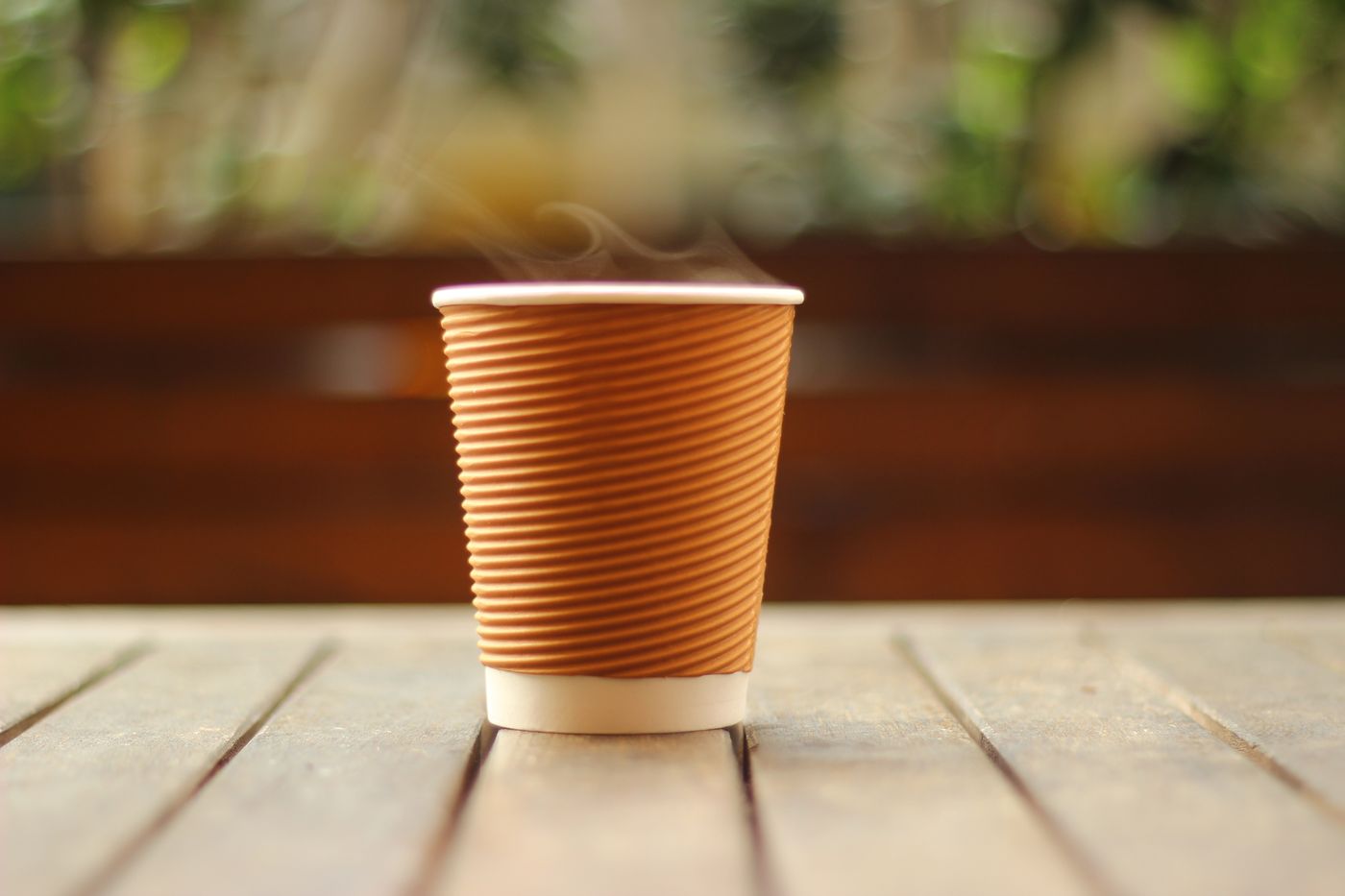
Dark, acidic and consumed slowly over an hour, which is the worst combination — the acid softens the enamel surface slightly while the pigment sits against it. The fix is not to stop drinking it. Drink it within a reasonable window rather than sipping it for ninety minutes, and follow it with a glass of plain water. Adding a little milk lightens the pigment and buffers some of the acid.
Tea
Black tea is often worse than coffee for staining, which surprises people. It is high in tannins, which help pigment bind to the tooth surface. Green and white teas stain considerably less. Same fix: water afterwards.
Red wine
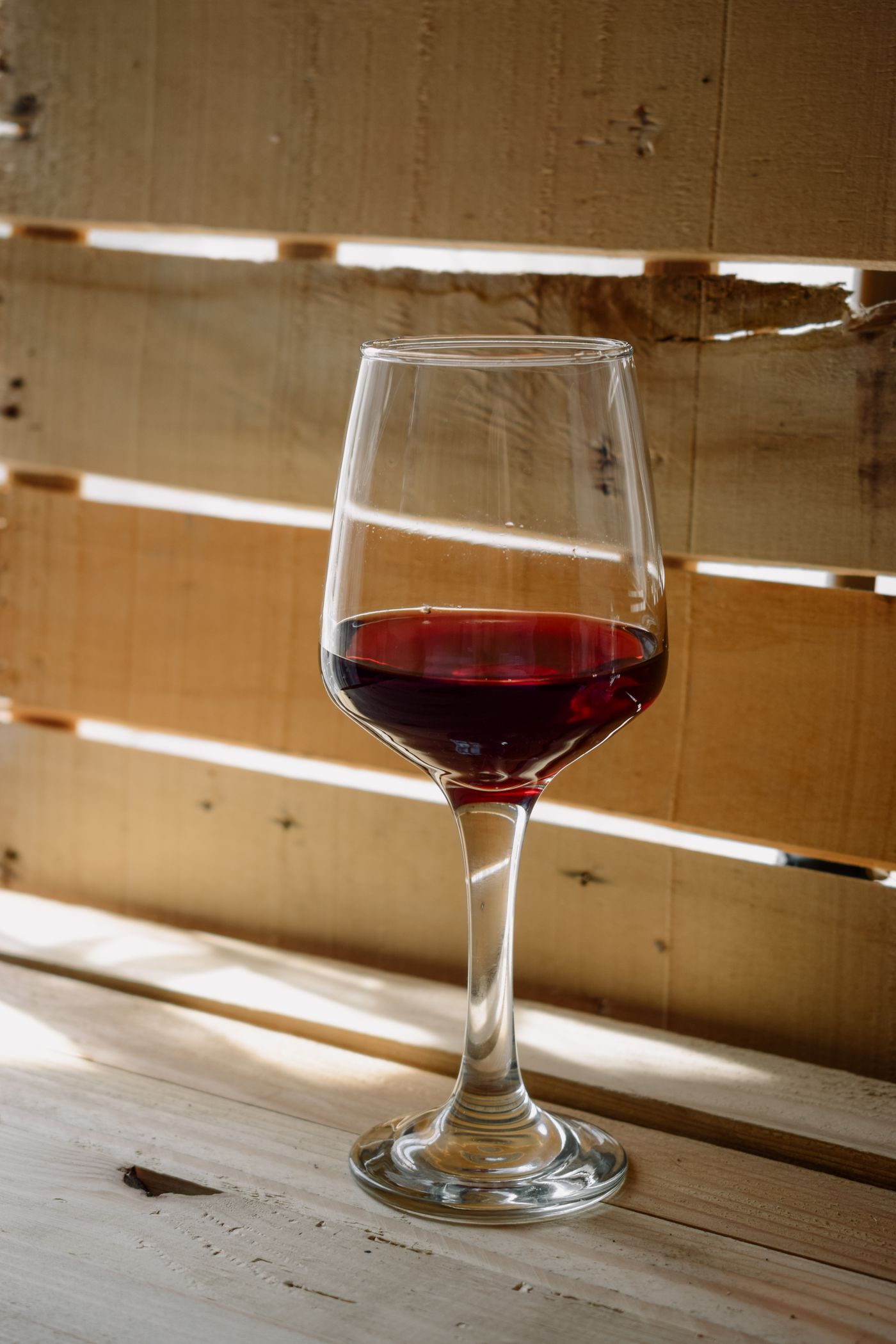
Pigment and acid together again, plus tannins. Drinking water alongside it helps more than anything else, and eating while you drink increases saliva flow, which is doing the real cleaning.
Dark cola
The staining is the least of it. Cola is strongly acidic whether or not it is sugar-free, and the acid is what does the lasting damage. Through a straw, with water afterwards, and not sipped across an afternoon.
Fruit juice
Especially dark juices such as blackcurrant, cranberry and grape. Juice occupies an odd position — it reads as healthy and behaves, dentally, quite a lot like cola. Dilute it, drink it with a meal rather than between meals, and rinse.
If you take one thing from this section: the fix for almost every drink on the list is a glass of plain water immediately afterwards. It is free, it takes ten seconds, and it does more than any product I have bought.
The four surprise foods, three of which are healthy
- Berries — blueberries, blackberries and pomegranate. Strong pigment that binds readily. Eating them as part of a meal rather than alone helps.
- Balsamic vinegar. Dark and acidic. Pairing it with lettuce is genuinely useful, because the leaves interrupt contact with the tooth surface.
- Curry and turmeric. The pigment is potent and clings. Rinsing soon afterwards makes a real difference.
- Beetroot. Anything that stains a chopping board that thoroughly will do the same to enamel given the chance.
I am not suggesting anyone stop eating berries or curry. The point of naming them is that people usually assume staining comes from indulgences, then feel confused when a careful diet has the same effect.
Surface stain and age-related dulling are different problems
This is the distinction I wish someone had drawn for me a decade earlier.
Surface stain sits on the outside of the enamel. It is what a hygienist polishes off at a cleaning, and it is what whitening products act on. It responds to changes in habit and to treatment.
Age-related dulling is different. Enamel is semi-translucent, and it thins gradually over decades. Underneath it is dentin, which is naturally more yellow. As the enamel thins, more of that darker layer shows through. Nothing is sitting on the surface, so nothing can be scrubbed off — and scrubbing harder thins the enamel further, which makes the appearance worse rather than better.
How to tell them apart, roughly: surface stain tends to be uneven, concentrated near the gum line and between the teeth, and it changes with your habits. Age-related dulling is even, affects all the teeth similarly, and has arrived slowly without any change in what you consume.
If your teeth have dulled evenly over ten years while your habits stayed the same, the honest answer is that a whitening product is working on the wrong problem. I spent a couple of years and a reasonable amount of money learning that.
Why this accelerates after forty
Three things tend to happen around the same time. Enamel has had several more decades of ordinary wear. Gums recede very slightly, exposing a little more of the root surface, which is naturally darker and more porous than the crown. And saliva production often drops, which reduces the mouth's own rinsing.
None of these is a hygiene failure. They happen to people who have looked after their teeth carefully for forty years. It is worth saying plainly, because a lot of the marketing in this category is built on implying otherwise.
A supporting habit, not a substitute. ProDentim is a daily oral probiotic supplement meant to sit alongside brushing, cleaning between your teeth and regular dental visits — never in place of them. Learn More About ProDentim (Affiliate link)
Seven foods that clean a little while you chew
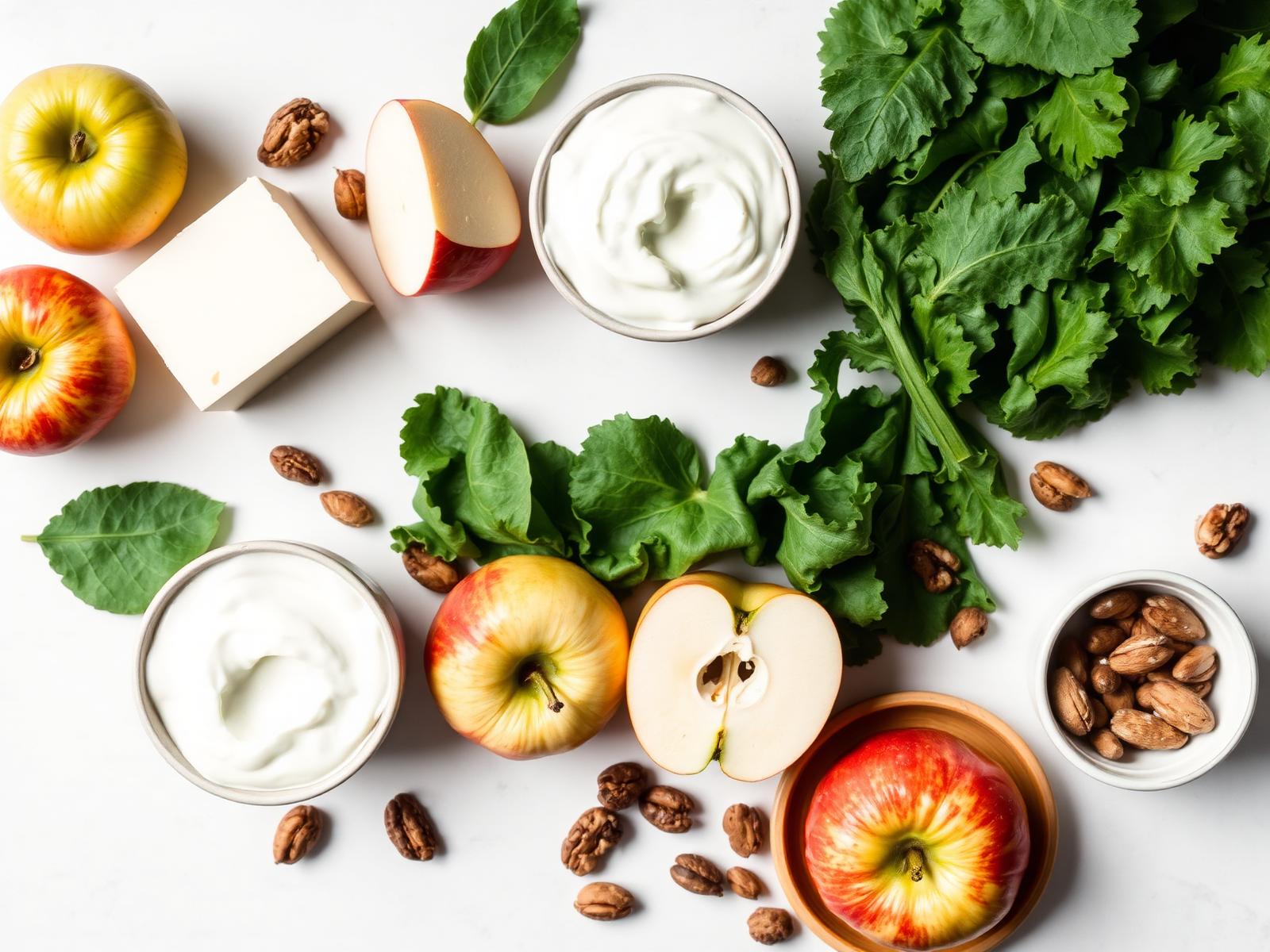
- Apples — the texture and the water content, not any special property.
- Celery, for the same reason, plus it takes a while to chew.
- Carrots, raw rather than cooked.
- Cheese, which raises the pH in the mouth after acid exposure.
- Plain yoghurt, for similar reasons.
- Almonds and other firm nuts.
- Water, which is not a food but does more than the six items above it combined.
The effect here is modest. Chewing fibrous food increases saliva flow and physically disturbs some surface residue. It is a small helpful thing, not a substitute for cleaning, and anyone selling it as more than that is overselling.
The one worth actually changing your habits around is the timing rather than the food. Finishing a meal with something firm and low in sugar, or simply with water, leaves the mouth in a better state for the next few hours than finishing it with something sweet and sitting still. That is a genuinely free adjustment and it applies at every meal, which is more than can be said for most of the advice in this category.
The thirty-minute rule: when not to brush
Acid softens the enamel surface temporarily. Brushing during that window means scrubbing at enamel that is briefly more vulnerable, which over years is not a trivial thing.
So after coffee, wine, juice, cola, citrus or vinegar, wait roughly thirty minutes before brushing. In the meantime, rinse with plain water — that clears the acid and the pigment without any mechanical scrubbing at all.
This is the single easiest change on the page. It costs nothing, requires no product, and for most people it means moving the morning brush to before breakfast rather than after. That reordering is a bigger topic in itself, which I have written about separately.
What a cleaning removes that you cannot
There is a category of staining that no amount of home care touches, and it is worth knowing about before you spend money trying.
Plaque that is left undisturbed hardens into calculus, usually within a couple of days, and once it has hardened it is bonded to the tooth. It is porous, so it picks up pigment readily and holds it, which is why it often looks darker than the surrounding tooth. Brushing does not remove it. Nothing you can buy removes it. It comes off with instruments, at an appointment, and that is the whole of it.
This tends to build up in the same few places — behind the lower front teeth, where a salivary gland sits and mineralises plaque quickly, and along the outer gum line of the upper back molars. If the discolouration bothering you is concentrated in exactly those spots, that is a strong hint you are looking at calculus rather than food stain, and the answer is an appointment rather than a product.
I found this genuinely useful to understand, because for about a year I was scrubbing at something that was never going to move, and concluding that my brushing was inadequate. It was not inadequate. It was aimed at the wrong material.
Smoking, and one honest note about it
Tobacco stain is in a category of its own — it penetrates further than food pigment and it returns faster after cleaning. If you smoke, no drinks list on the internet is the main variable in how your teeth look. I mention it not to lecture, but because it would be dishonest to write two thousand words about coffee and quietly skip the thing that matters more.
When to ask a dentist rather than buy something
I am not a dentist and none of this is clinical advice. A few situations are worth a professional opinion rather than a purchase:
- One tooth darkening on its own, which is a different situation from general dulling.
- Staining that has appeared quickly, over weeks rather than years.
- Discolouration accompanied by sensitivity or a change in how a tooth feels when you bite.
- White or brown spots with defined edges rather than diffuse shading.
- Any change you cannot connect to something you have started eating, drinking or taking.
A cleaning will also tell you a great deal for free, in the sense that you will see immediately how much of what bothered you was surface stain — because it will be gone, and whatever remains afterwards is the part no product was ever going to shift.
Where this went for me
Working out which part was stain and which part simply was not is what stopped me buying things that promised to scrub the problem away, and got me looking at the condition of my mouth rather than the shade of my teeth. That turned out to be a more interesting question, and a longer story.
Frequently asked questions
- Should you brush straight after coffee?
- It is generally better to wait around thirty minutes. Acidic drinks soften the enamel surface briefly, and brushing during that window scrubs at softened enamel. Rinsing with plain water in the meantime is the usual suggestion.
- Why do teeth look yellower after 40 even with good care?
- Enamel thins gradually with age and the dentin underneath is naturally darker, so more of it shows through. That is a change in what you are seeing rather than a stain sitting on the surface, which is why scrubbing does not shift it.
- Does drinking through a straw actually help?
- For dark, acidic drinks it reduces contact with the front teeth, so it helps with the visible surfaces. It does nothing about the acid reaching the rest of the mouth, so treat it as one small measure rather than a solution.
- Is whitening toothpaste worth using?
- Most work by being mildly abrasive, so they act on surface stain and not on age-related dulling. If the dulling is even and has arrived slowly, an abrasive paste is working on the wrong problem and, used hard, can make it worse.

Written by
Sarah
Wellness writer — founder of Sarah Wellness Corner
Sarah is a pen name. She is a wellness content creator writing from a consumer's perspective, not a clinician's — she is not a dentist, dental hygienist, doctor or medical professional of any kind, and holds no clinical qualification. Her articles are personal experience and general education, written after reading widely and changing her own habits over several years. They are not medical advice and are not a substitute for a consultation with a qualified dental professional. Identifying details in the personal stories on this site have been changed; the experiences are real, the names and specifics are not.
Join the Sarah Wellness Corner Community
Receive practical oral care tips, healthy habits, educational articles, and wellness inspiration.
Related articles

The Order Your Oral Routine Should Actually Follow
I did the same three things every night for twenty years in the wrong order, and the last one was undoing part of the first. Every fix here is free.

10 Daily Habits That Help Keep Your Smile Healthy
Healthy teeth are rarely the result of one big change. They are the result of ten small things repeated on ordinary days. Here is what dental professionals talk about most often — and how to make each habit realistic.

What The Zing After Whitening Strips Actually Is
The jolt when cold water hits is not the whitening working. It is a signal about the tiny channels running through the tooth — and once that lands, the whole category reads differently.

Foods That Naturally Clean Teeth
Some foods do a small amount of mechanical cleaning while you chew them. That is a real, modest effect — and it is nothing like brushing. Here is what I found worth keeping.
Natural Oral Care That Actually Held Up
I tried a great many natural oral-care ideas. Three of them are still part of my week. Here is why those three and not the others.
The One Natural Thing That Stuck
It is not oil pulling. It is not a rinse. It is a three-second sequencing change, and it is the only thing I have done every day without fail.