Teeth Whitening
Baking Soda On Teeth: Safe Or Not?
Baking soda has a reputation for being both a miracle cleaner and a dangerous DIY trick. The truth depends heavily on how it is used.
By Sarah · August 20, 2026 · 8 min read

Key takeaways
- Baking soda is a mild abrasive — it is included in some commercial toothpastes for that reason.
- The problem is rarely the ingredient and usually the concentration, frequency and pressure.
- A daily undiluted paste is a very different thing from occasional gentle use.
- Mixing it with lemon juice adds acid to abrasion, which is the combination to avoid.
- It contains no fluoride, so it cannot be a straight replacement for toothpaste.
Baking soda is either a gentle, dentist-approved classic or a reckless way to sand down your enamel, depending entirely on which article you read that day.
Both positions are defensible, because they are describing different uses of the same substance. That distinction is the whole answer.
Facts and tips worth knowing first
- Baking soda is a mild abrasive and appears as an ingredient in some commercial toothpastes.
- In those products it is formulated at a controlled concentration alongside other ingredients.
- A homemade paste has no such control, and neither does your brushing pressure.
- It contains no fluoride, so it is not a like-for-like substitute for toothpaste.
- Combining it with lemon juice or vinegar adds acid to abrasion — avoid that entirely.

How this started for me
My grandmother used it, which is genuinely why I tried it. She had good teeth well into her eighties and swore by it, and that is a more persuasive argument than most of what I read online.
What I did not account for is that she used a small amount occasionally, and I used a thick paste twice a day for about six weeks because I was impatient about coffee stains.
The challenges I faced
The immediate results are good, which is the trap. Surface stain does come off, quite visibly, in the first week or two.
- The early result convinced me that more would be better, which is the wrong conclusion.
- I used it as a paste on its own, with no fluoride toothpaste alongside it for a while.
- I brushed harder with it because the grittiness made scrubbing feel productive.
- I tried the lemon-and-baking-soda combination I had read about, which I should not have.
- I got a cold twinge in one tooth around week five and initially ignored it.
What I tried
Stopping and resetting
I stopped completely for a month and used a plain fluoride toothpaste with a soft brush. The twinge settled, which suggested it was about cumulative abrasion rather than any single event.
Occasional and gentle instead
A small amount, once every week or two at most, with genuinely light pressure. This retains whatever stain benefit exists without making abrasion a twice-daily event.
Keeping fluoride toothpaste as the default
This was the correction that mattered most. Baking soda replaced nothing — it became an occasional extra on top of a normal routine.
Never combining it with acid
The lemon version is the one genuinely bad idea in this article. Acid softens enamel and abrasion then removes more of it. There is no version of that which is a good plan.
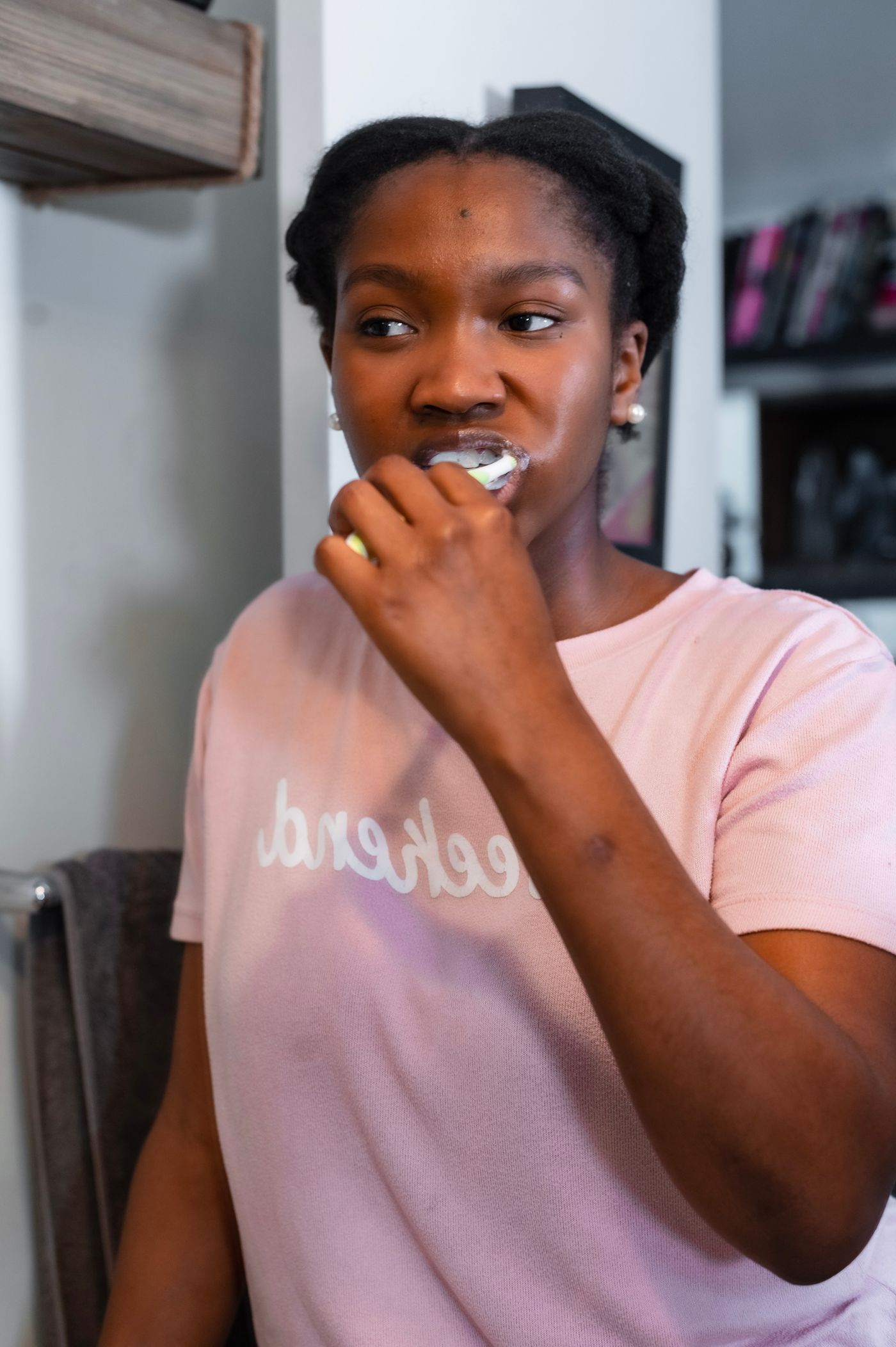
A supporting habit, not a substitute. ProDentim is a daily oral probiotic supplement meant to sit alongside brushing, cleaning between your teeth and regular dental visits — never in place of them. Learn More About ProDentim (Affiliate link)
What worked well for me
- Fluoride toothpaste as the everyday default, without exception.
- Baking soda at most every week or two, in small amounts.
- A soft brush and deliberately light pressure whenever I use it.
- Never mixing it with lemon juice, vinegar or anything else acidic.
- Mentioning it at check-ups so someone who can see my enamel has an opinion.
How I'm doing now
The sensitivity has not returned. My teeth look about the same as they did during the six intensive weeks, which is the frustrating and instructive part — the aggressive version bought me nothing except a twinge.
I use it occasionally, mostly out of affection for my grandmother's routine, and I do not think it is doing much either way.
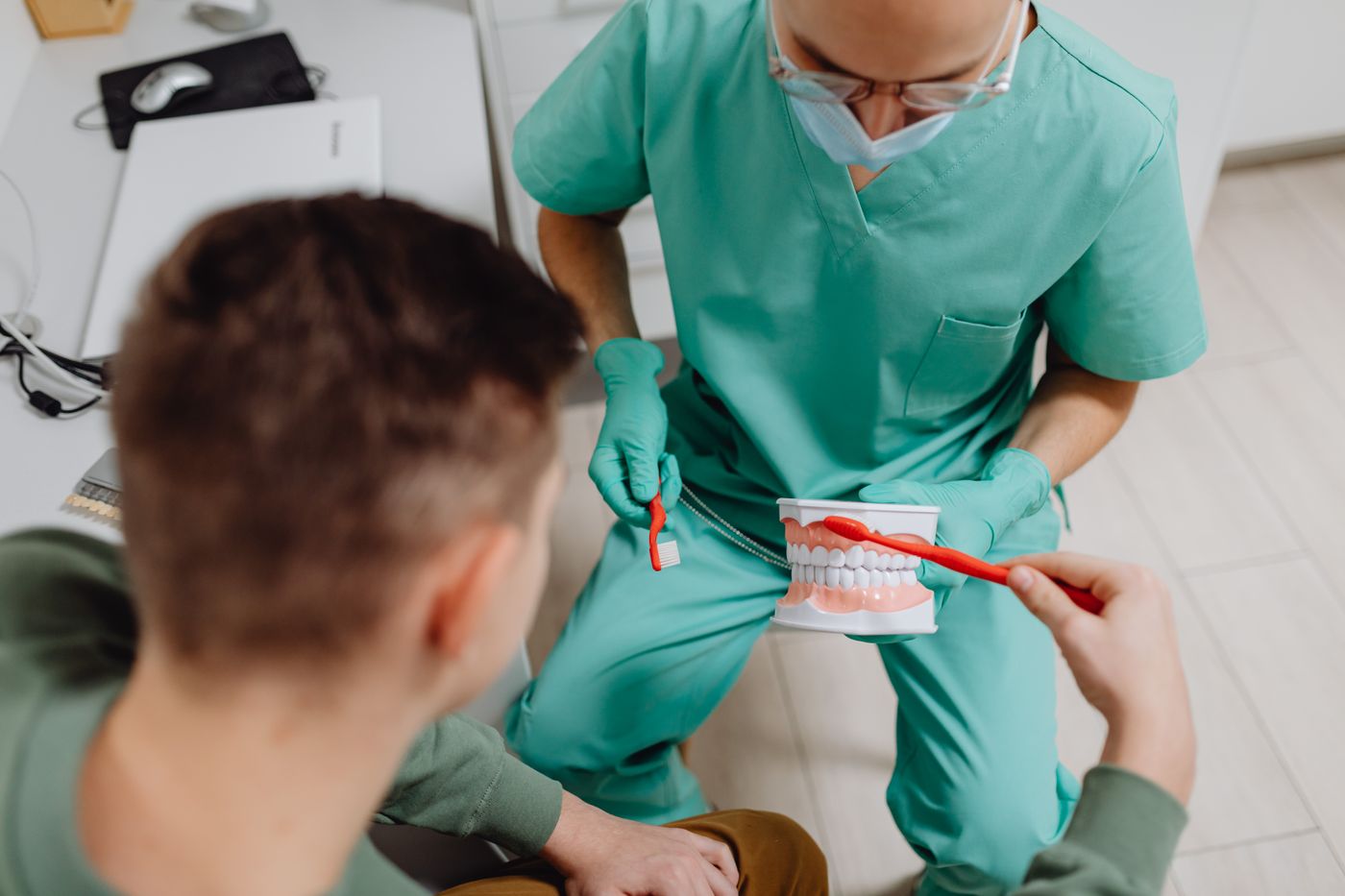
Try this method — don't miss this step
The step people skip is keeping a fluoride toothpaste as the main one. Baking soda is an addition, not a replacement, and treating it as a replacement gives something up for no gain.
- Keep a conventional fluoride toothpaste as your everyday default.
- Use baking soda occasionally at most — not daily, and not twice daily.
- Use a small amount, a soft brush and very light pressure.
- Never combine it with lemon juice, vinegar or any acid.
- Stop at the first sign of cold or sweet sensitivity.
- Mention it to your dentist and ask whether it suits your enamel.
My grandmother used a pinch of it now and then. I used a paste of it twice a day. We were not doing the same thing.
A final note from Sarah
I do not think an occasional gentle use of baking soda is going to harm anyone, and I am not going to pretend otherwise. I do think the daily-paste version, and especially the lemon version, are worth avoiding — because enamel does not grow back and there is no result on offer that justifies the risk.
Frequently asked questions
- Is baking soda safe to brush with?
- It is a mild abrasive and appears in some commercial toothpastes at controlled concentrations. Occasional gentle use is a different proposition from a daily homemade paste, and pressure and frequency matter more than the ingredient itself.
- Can baking soda replace toothpaste?
- It contains no fluoride, so using it instead of toothpaste means giving something up. If you want to use it, it makes more sense as an occasional addition alongside a conventional fluoride paste.
- What about baking soda and lemon juice together?
- That is the combination worth avoiding. Acid temporarily softens enamel and abrasion then removes more of it than it otherwise would, and enamel does not regenerate.

Written by
Sarah
Wellness writer — founder of Sarah Wellness Corner
Sarah is a pen name. She is a wellness content creator writing from a consumer's perspective, not a clinician's — she is not a dentist, dental hygienist, doctor or medical professional of any kind, and holds no clinical qualification. Her articles are personal experience and general education, written after reading widely and changing her own habits over several years. They are not medical advice and are not a substitute for a consultation with a qualified dental professional. Identifying details in the personal stories on this site have been changed; the experiences are real, the names and specifics are not.
Join the Sarah Wellness Corner Community
Receive practical oral care tips, healthy habits, educational articles, and wellness inspiration.
Related articles

Charcoal Toothpaste: Read This First
It looks dramatic, it feels like it is doing something, and that is most of the appeal. Here is what I wish I had understood before I bought my first tube.
Whitening Mistakes That Damage Enamel
Most enamel damage from whitening does not come from one dramatic mistake. It comes from several reasonable-sounding habits stacked on top of each other.

Whiter Teeth Without The Zingers
The sharp, electric jolt when cold air hits a tooth is the reason most people abandon whitening. It is also the part that is most avoidable.

Why Teeth Yellow Faster After 40
It is not just decades of coffee. There is a structural change happening underneath, and it explains why the same whitening products stop delivering.
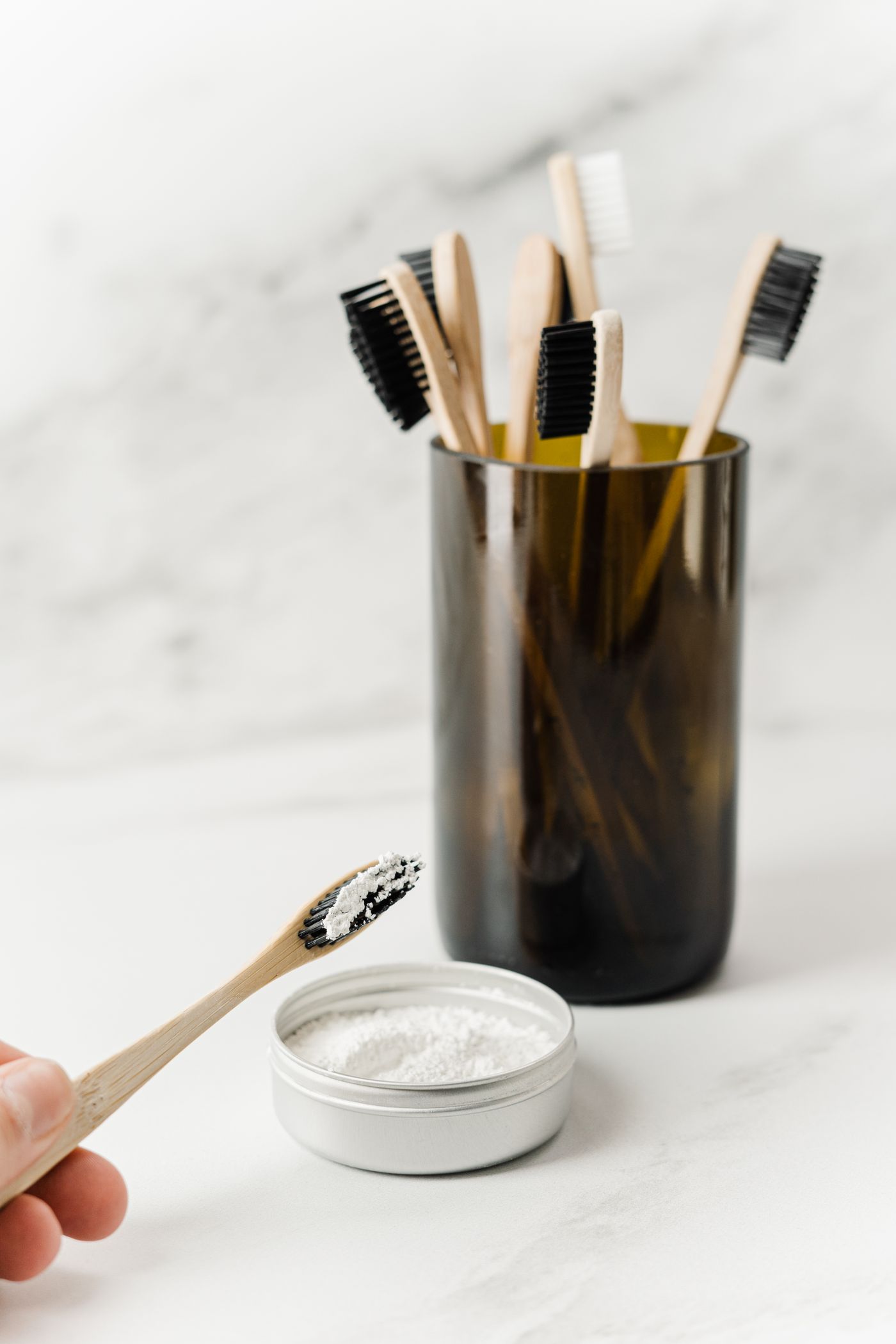
Every Natural Remedy I Tried, Ranked
Two years, one thing at a time, notes kept throughout. Here they are in order, including the two I would actively tell you to skip.

What The Zing After Whitening Strips Actually Is
The jolt when cold water hits is not the whitening working. It is a signal about the tiny channels running through the tooth — and once that lands, the whole category reads differently.