Teeth Whitening
Whiter Teeth Without The Zingers
The sharp, electric jolt when cold air hits a tooth is the reason most people abandon whitening. It is also the part that is most avoidable.
By Sarah · August 20, 2026 · 8 min read

Key takeaways
- The zing is a nerve response, not damage in progress — but it is a signal worth respecting.
- Frequency and contact time drive sensitivity far more than the strength of any single application.
- Spacing sessions further apart produced a better result for me than pushing through daily.
- Overlapping product onto gums is a common and avoidable cause of soreness.
- Persistent sensitivity after stopping is a reason to see a dentist rather than to wait it out.
The first time I got a whitening zinger I was standing outside in February and it felt like someone had touched a wire to my front tooth.
I assumed that meant I had damaged something. What it actually meant was that I was doing too much, too close together — and fixing that turned out to be straightforward.
Facts and tips worth knowing first
- Whitening agents pass through enamel and can temporarily irritate the nerve inside the tooth.
- That irritation is what produces the sharp, short jolt people describe as a zing.
- It is typically temporary and settles after you stop — but it should not be ignored indefinitely.
- Contact time and how often you repeat sessions matter more than a single strong application.
- Gel that overlaps onto gums causes a different problem: a pale, sore patch of irritated tissue.
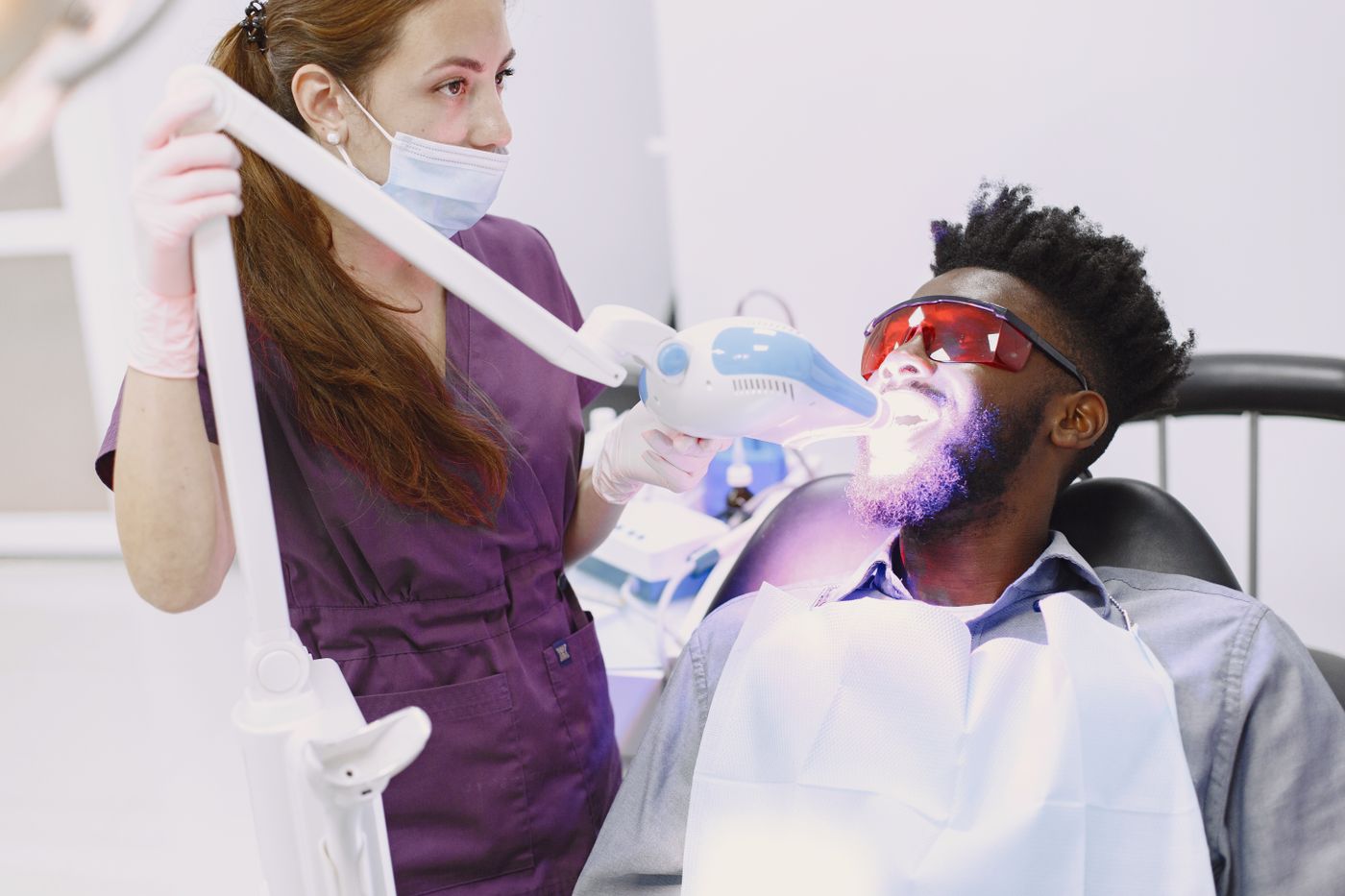
How this started for me
I had a wedding to go to and about six weeks of notice, which is exactly the situation that makes people do something foolish. I bought strips and used them every single day because the box said I could.
By day nine I could not drink anything cold without flinching. By day eleven I stopped entirely, and I had achieved almost nothing except a fortnight of discomfort.
The challenges I faced
The main challenge was that I had framed it as a countdown. Every day I did not whiten felt like a day lost, so the obvious response to slow progress was to do more of it, which was precisely wrong.
- I treated the maximum stated frequency as a target rather than a ceiling.
- I left strips on longer than instructed, on the theory that longer meant better.
- I did not trim or position them carefully, so gel sat on my gums every session.
- I brushed hard immediately afterwards, which cannot have helped.
- I ignored the first mild twinges because I had a date in mind.
What I tried
Stopping completely for two weeks
This was the part I did not want to do and the part that mattered most. The sensitivity faded almost entirely within about ten days of doing nothing at all.
Every third day instead of every day
When I restarted, I spaced sessions out and stuck to the stated time rather than extending it. The zingers did not come back. The result arrived more slowly and was, if anything, more even.
Keeping product off the gums
Careful placement, wiping away any overlap immediately, and stopping if a patch of gum went pale. This removed a whole category of soreness I had wrongly filed under 'whitening sensitivity'.
Using a sensitivity toothpaste in between
I used one consistently for a few weeks rather than occasionally. It is not instant and it does not work if you only reach for it on bad days.

A supporting habit, not a substitute. ProDentim is a daily oral probiotic supplement meant to sit alongside brushing, cleaning between your teeth and regular dental visits — never in place of them. Learn More About ProDentim (Affiliate link)
What worked well for me
- Spacing sessions two or three days apart instead of daily.
- Following the stated contact time exactly rather than extending it.
- Careful placement so nothing sat on my gums.
- A sensitivity toothpaste used continuously, not reactively.
- Giving myself months rather than weeks, so there was no pressure to overdo it.
How I'm doing now
I get a mild twinge occasionally in very cold air and nothing like the jolts from that first attempt. My teeth are a bit lighter than they were, noticeably so in photographs and not dramatically so in a mirror, which I think is the realistic outcome.
The change that produced that was slowing down. Nothing else I did mattered nearly as much.

Try this method — don't miss this step
The step almost everyone skips is stopping at the first twinge instead of the fifth. Sensitivity is easier to prevent than to sit out, and pushing through it does not speed anything up.
- Start with sessions spaced two to three days apart, not daily.
- Use the stated contact time and do not extend it.
- Keep gel off your gums, and wipe away any overlap straight away.
- Use a sensitivity toothpaste consistently for a few weeks beforehand.
- Pause completely at the first sharp zing rather than pressing on.
- See a dentist if sensitivity persists after you have stopped, or if one specific tooth is the problem.
I did not need a gentler product. I needed to stop treating the maximum frequency as a target.
A final note from Sarah
Whitening is cosmetic, which means there is never a good reason to be in discomfort over it. If one particular tooth is reacting, or the sensitivity does not settle after you stop, that is worth a dentist's opinion rather than a slower schedule.
Frequently asked questions
- Why do my teeth zing after whitening?
- Whitening agents can pass through enamel and temporarily irritate the nerve inside the tooth, which produces a short sharp jolt, often triggered by cold. It usually settles after you stop, and it tends to be driven by how often you whiten rather than a single session.
- Does sensitivity mean I have damaged my teeth?
- Not usually — it is generally a temporary nerve response rather than damage. It is still a signal to slow down or pause, and sensitivity that persists after you stop, or that affects one specific tooth, is worth having a dentist look at.
- Can I avoid zingers completely?
- Many people can reduce them substantially by spacing sessions further apart, sticking to the stated contact time, keeping product off the gums and using a sensitivity toothpaste consistently beforehand. Some people are simply more prone to it, which is worth discussing with a dentist.

Written by
Sarah
Wellness writer — founder of Sarah Wellness Corner
Sarah is a pen name. She is a wellness content creator writing from a consumer's perspective, not a clinician's — she is not a dentist, dental hygienist, doctor or medical professional of any kind, and holds no clinical qualification. Her articles are personal experience and general education, written after reading widely and changing her own habits over several years. They are not medical advice and are not a substitute for a consultation with a qualified dental professional. Identifying details in the personal stories on this site have been changed; the experiences are real, the names and specifics are not.
Join the Sarah Wellness Corner Community
Receive practical oral care tips, healthy habits, educational articles, and wellness inspiration.
Related articles
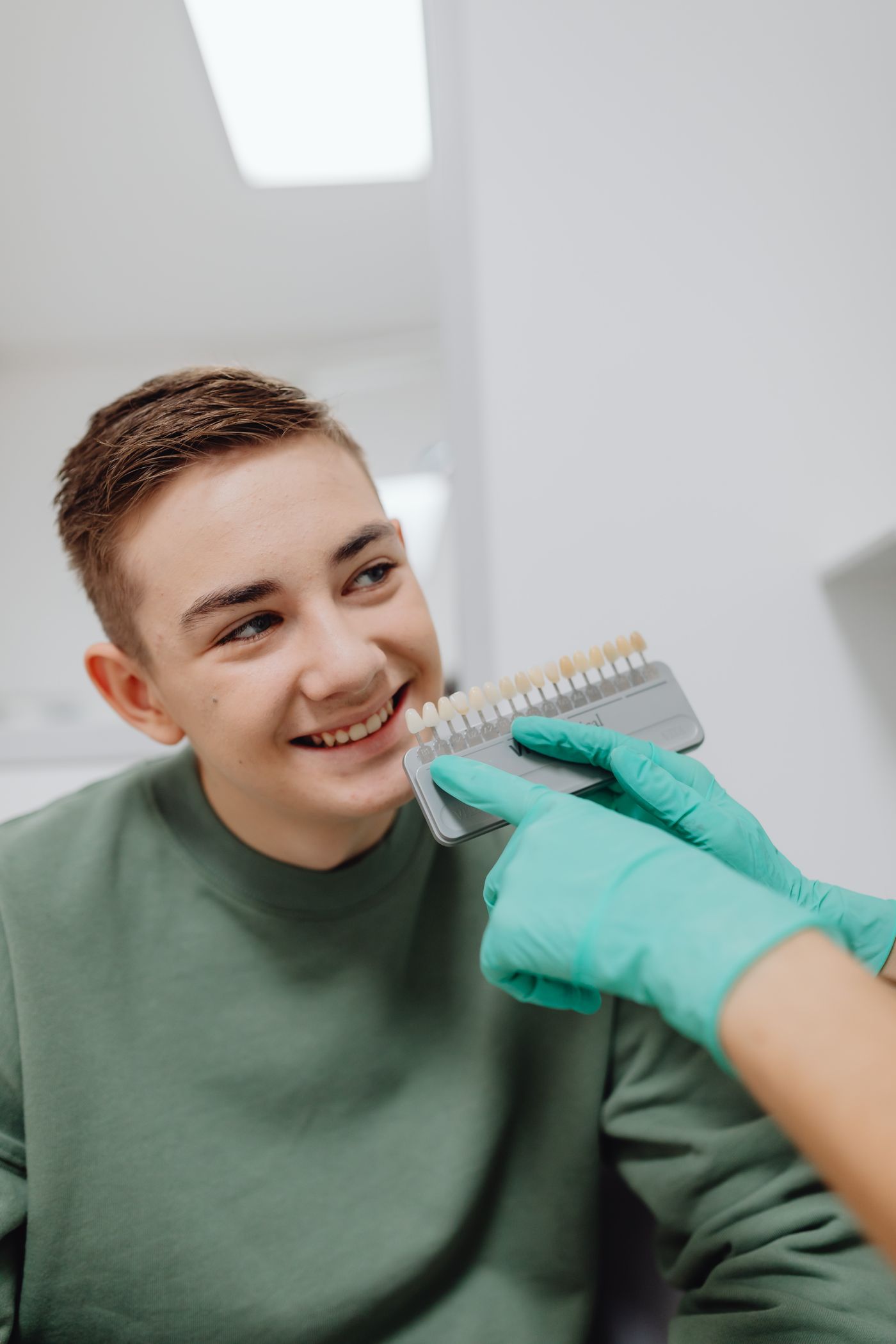
Whitening Mistakes That Damage Enamel
Most enamel damage from whitening does not come from one dramatic mistake. It comes from several reasonable-sounding habits stacked on top of each other.

What The Zing After Whitening Strips Actually Is
The jolt when cold water hits is not the whitening working. It is a signal about the tiny channels running through the tooth — and once that lands, the whole category reads differently.

Why Teeth Yellow Faster After 40
It is not just decades of coffee. There is a structural change happening underneath, and it explains why the same whitening products stop delivering.

Charcoal Toothpaste: Read This First
It looks dramatic, it feels like it is doing something, and that is most of the appeal. Here is what I wish I had understood before I bought my first tube.

Baking Soda On Teeth: Safe Or Not?
Baking soda has a reputation for being both a miracle cleaner and a dangerous DIY trick. The truth depends heavily on how it is used.

Common Reasons Your Gums May Feel Sensitive
Tender gums are common, and the cause is often something ordinary. Here is a plain-language walk through the usual explanations, what tends to help, and the signs that mean it is time to book an appointment.