Teeth Whitening
Why Teeth Yellow Faster After 40
It is not just decades of coffee. There is a structural change happening underneath, and it explains why the same whitening products stop delivering.
By Sarah · August 20, 2026 · 8 min read

Key takeaways
- Enamel thins gradually with age, letting the naturally yellower layer beneath show through more.
- That is a structural change, which is why surface stain removal does progressively less.
- Decades of staining accumulate on top of it, so both things are happening at once.
- Scrubbing harder makes the structural half worse, not better.
- Realistic expectations matter more here than product choice.
I noticed it in a photograph before I noticed it in a mirror, which I gather is how most people find out.
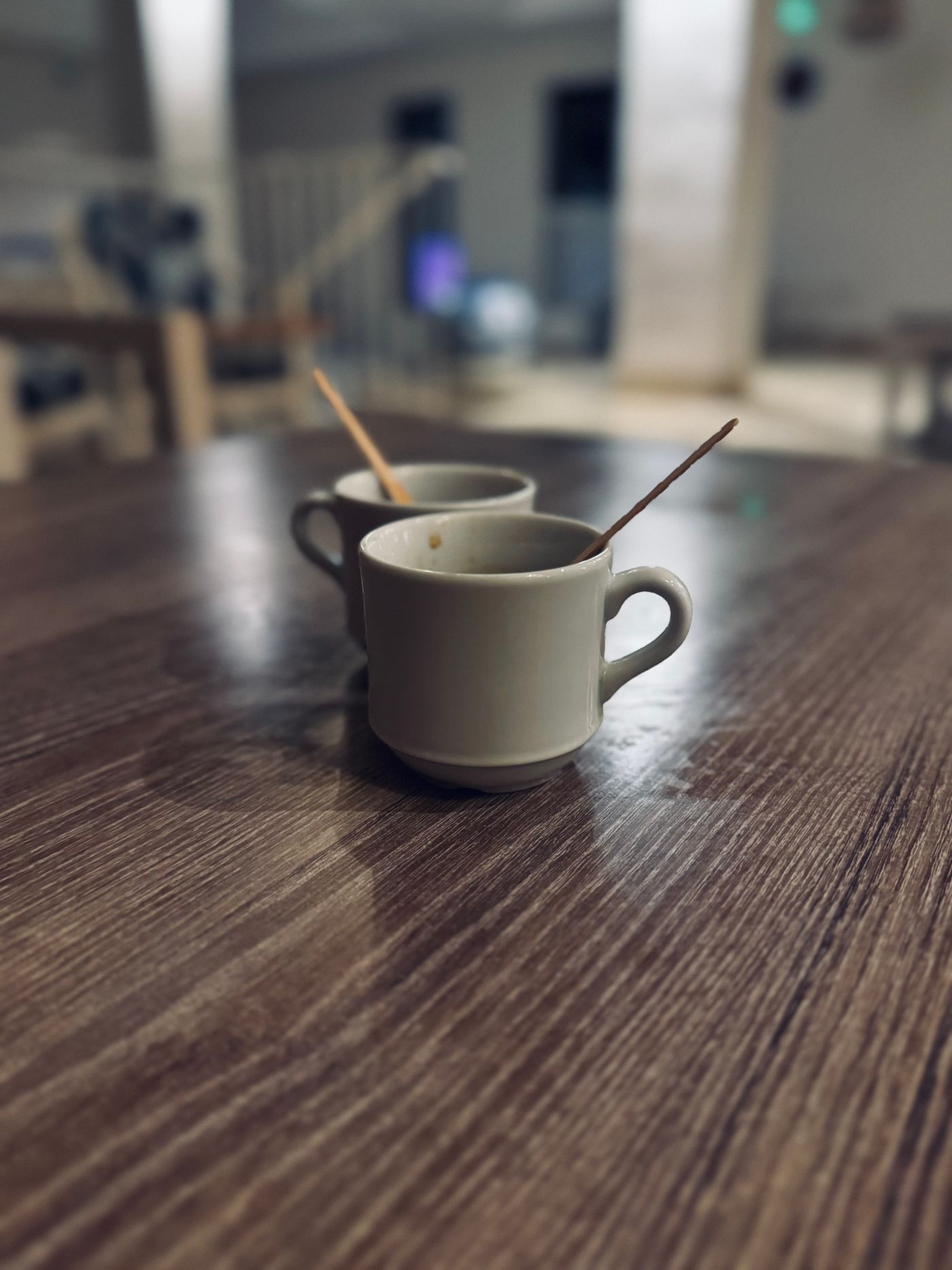
My first assumption was that I had simply drunk too much coffee for too long. That is part of it. It is not the interesting part, and it is not the part that explains why whitening strips stopped doing much.
Facts and tips worth knowing first
- A tooth is not one material — there is enamel on the outside and a naturally darker, yellower layer beneath it.
- Enamel thins gradually over decades through ordinary use, acid exposure and abrasion.
- As it thins, more of the darker underlying layer shows through, and the tooth reads as yellower.
- Surface stain also accumulates over the same period, so two separate processes overlap.
- Only one of those two responds to stain removal, which is why results plateau with age.
How this started for me
I had used the same whitening strips every year or so since my late twenties, always with roughly the same modest result. Somewhere around forty-one, the same routine produced almost nothing, and I assumed the formula had changed.
It had not. What had changed was the ratio of the two problems — less of my discolouration was surface stain, and more of it was structural.
The challenges I faced
The frustrating thing is that the obvious response to a product not working is to use more of it, and that is the one response that makes the structural half worse.
- I whitened more often, which gave me sensitivity and no additional brightness.
- I switched to a more abrasive toothpaste, which is directly counterproductive when enamel is already thinning.
- I started brushing harder, for the same mistaken reason.
- I compared my teeth to photographs of people twenty years younger, which is not a fair target.
- I ignored that some of the darkening was around old fillings, which is a different issue entirely.
What I tried
Separating the two problems
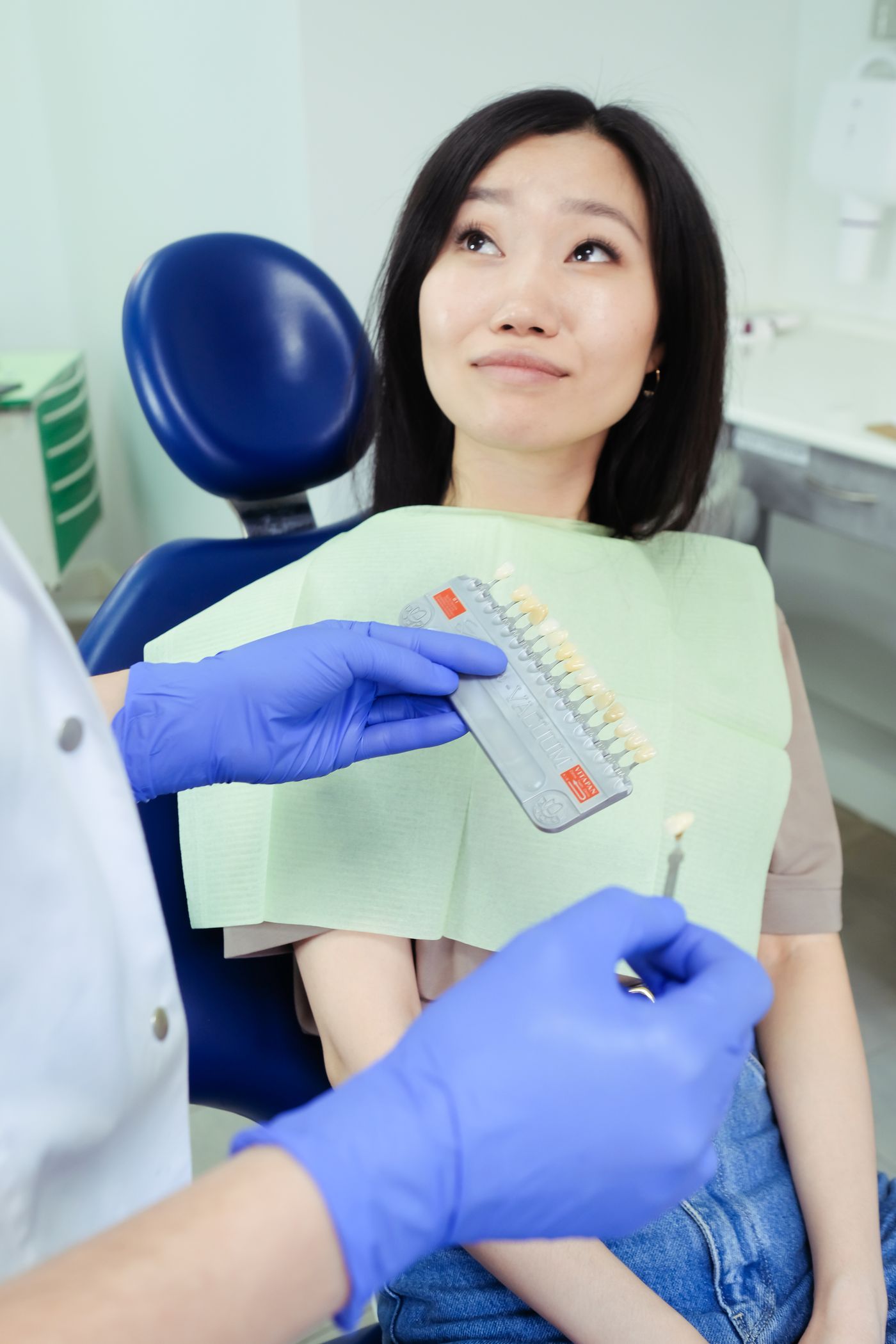
I stopped asking 'how do I whiten these' and started asking which part of the colour was stain and which part was structure. A dental appointment answered that in about four minutes.
Protecting rather than removing
Once I understood that enamel thinning was doing much of the work, the priority shifted. A soft brush, light pressure, waiting after acidic drinks and a fluoride toothpaste all became more relevant than any whitening product.
Reducing the input
Not eliminating coffee, which I was never going to do, but drinking water alongside it and not sipping it slowly over three hours.
Adjusting the target
This sounds like giving up and it is not. Aiming for my own teeth at their cleanest, rather than for a shade that was never mine, made the whole thing far less demoralising.
A supporting habit, not a substitute. ProDentim is a daily oral probiotic supplement meant to sit alongside brushing, cleaning between your teeth and regular dental visits — never in place of them. Learn More About ProDentim (Affiliate link)
What worked well for me
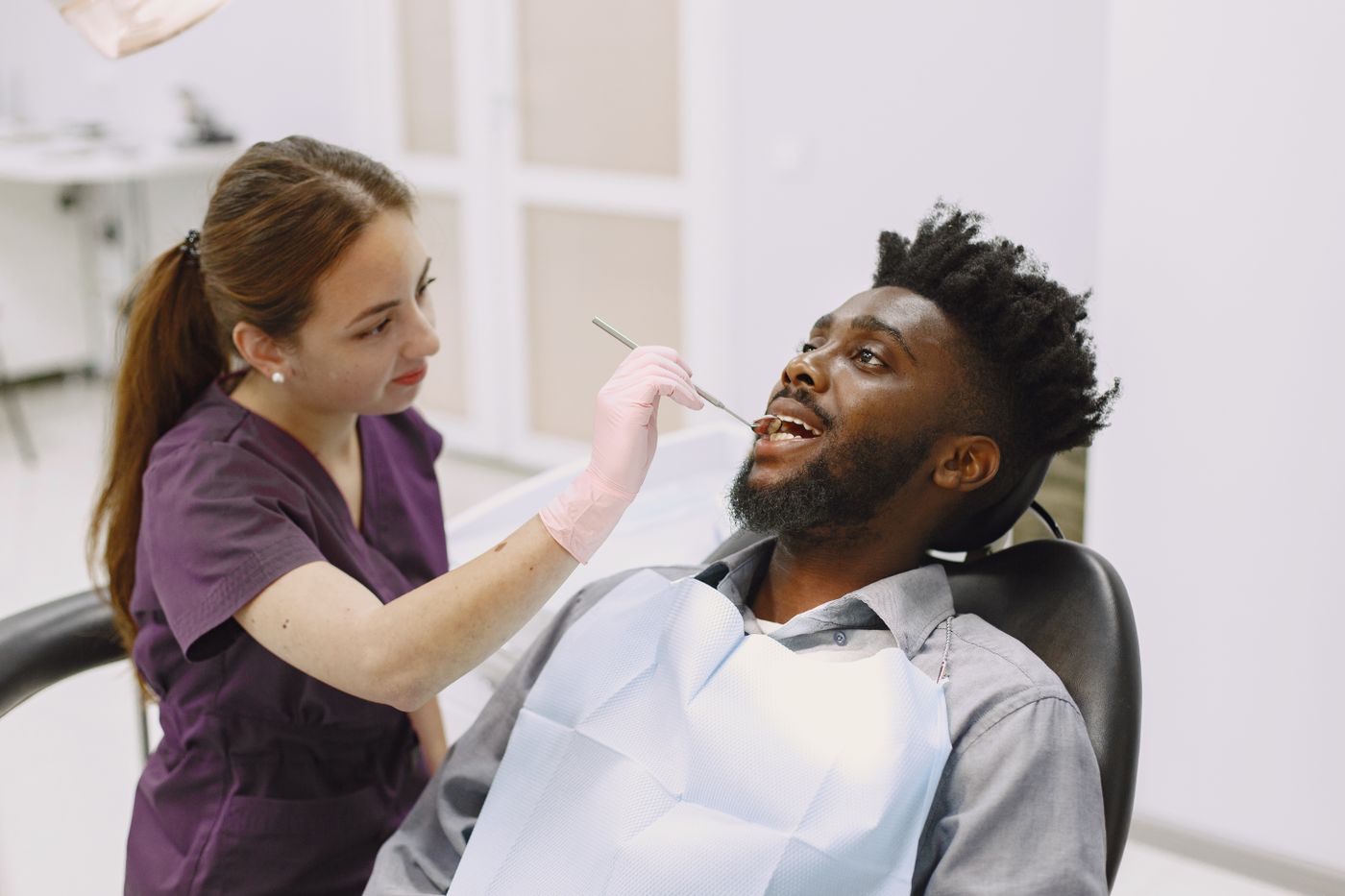
- A professional clean, which removed more surface stain in one appointment than months of products had.
- A soft brush and genuinely light pressure, every time.
- Water alongside coffee, and not nursing a cup for hours.
- Whitening used occasionally and gently rather than repeatedly and hopefully.
- Accepting a realistic shade instead of chasing one I could not reach.
How I'm doing now
Noticeably better than at my worst, and nowhere near the photographs that started this. The professional clean did more than everything else combined, and the habit changes have mostly stopped things sliding back.
I have also stopped being bothered by it, which was not a goal at the outset but has turned out to be the most useful outcome.
Try this method — don't miss this step
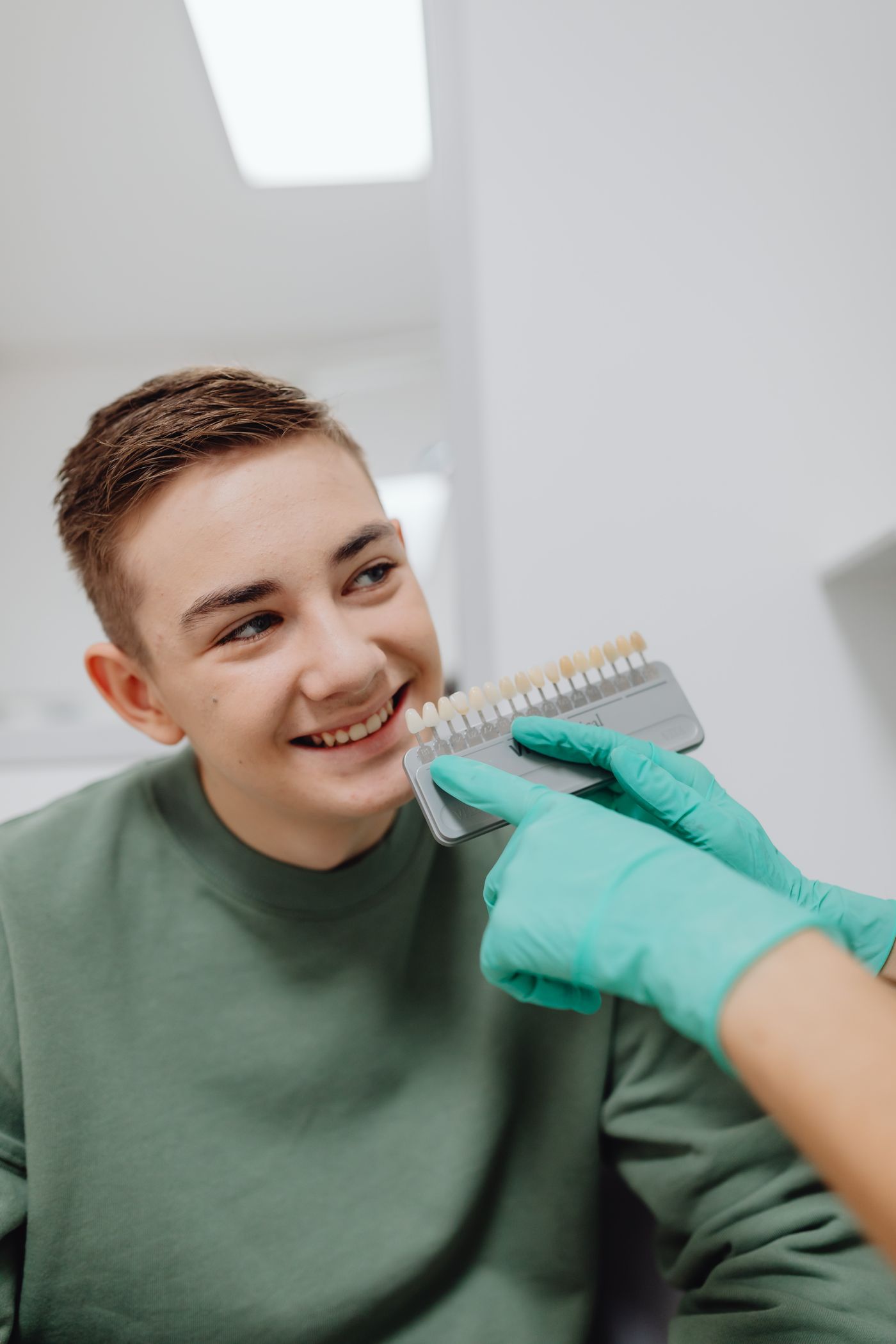
The step to not skip is finding out which of the two problems you actually have before buying anything. Treating structural darkening as if it were surface stain is how people end up with sensitivity and no result.
- Ask a dentist how much of your discolouration is surface stain versus underlying colour.
- Have a professional clean before deciding any product has failed.
- Switch to a soft brush and light pressure, and stop using abrasive pastes daily.
- Follow coffee, tea and wine with plain water, and avoid sipping over long stretches.
- Wait after acidic drinks before brushing rather than going straight in.
- Set your target against your own teeth at their best, not against a stock photograph.
I spent two years trying to remove a stain that was not there. The colour was coming from underneath.
A final note from Sarah
There is nothing wrong with wanting brighter teeth at any age. I just wish someone had told me earlier that the strategy has to change, because the thing causing the colour has changed. If a single tooth has darkened rather than all of them, that is worth a dentist's attention promptly.
Frequently asked questions
- Is yellowing with age preventable?
- The gradual thinning of enamel over decades is a normal part of ageing and not something you can stop entirely. You can slow the things that accelerate it — heavy abrasion, hard brushing and frequent acid exposure — and you can limit the surface staining that adds to it.
- Why did whitening strips stop working for me?
- As enamel thins, more of your tooth's colour comes from the naturally darker layer underneath rather than from surface stain. Stain-removal products only address the surface, so the same product delivers less as the balance shifts.
- Should I whiten more often to compensate?
- That tends to produce sensitivity without much additional brightness, and more abrasion works against you when enamel is already thinning. It is more useful to have a professional clean and ask a dentist what is realistically achievable for your teeth.

Written by
Sarah
Wellness writer — founder of Sarah Wellness Corner
Sarah is a pen name. She is a wellness content creator writing from a consumer's perspective, not a clinician's — she is not a dentist, dental hygienist, doctor or medical professional of any kind, and holds no clinical qualification. Her articles are personal experience and general education, written after reading widely and changing her own habits over several years. They are not medical advice and are not a substitute for a consultation with a qualified dental professional. Identifying details in the personal stories on this site have been changed; the experiences are real, the names and specifics are not.
Join the Sarah Wellness Corner Community
Receive practical oral care tips, healthy habits, educational articles, and wellness inspiration.
Related articles
Whitening Mistakes That Damage Enamel
Most enamel damage from whitening does not come from one dramatic mistake. It comes from several reasonable-sounding habits stacked on top of each other.

What The Zing After Whitening Strips Actually Is
The jolt when cold water hits is not the whitening working. It is a signal about the tiny channels running through the tooth — and once that lands, the whole category reads differently.

Whiter Teeth Without The Zingers
The sharp, electric jolt when cold air hits a tooth is the reason most people abandon whitening. It is also the part that is most avoidable.

Charcoal Toothpaste: Read This First
It looks dramatic, it feels like it is doing something, and that is most of the appeal. Here is what I wish I had understood before I bought my first tube.

Baking Soda On Teeth: Safe Or Not?
Baking soda has a reputation for being both a miracle cleaner and a dangerous DIY trick. The truth depends heavily on how it is used.
The Drinks And Foods That Stain Teeth, And What To Do About Each
Nobody is giving up coffee, and they should not have to. Every item on this list has a fix — and part of what people try to scrub away is not stain at all.